Back to Back Blog
Protection: Why Strength, Balance and a Bit of Common Sense Matter This Autumn and Winter
Why Strength, Balance and a Bit of Common Sense Matter This Autumn and Winter
There's a certain logic to wanting to hibernate as the year turns. The hedgehogs are doing it, the swallows have already left for warmer places, and there's a very human urge to close the curtains a little earlier, move a little less, and simply wait out the cold. We understand the instinct. We'd just gently push back on it.
Every autumn and winter, we see the same pattern in clinic: not injuries caused by people doing too much, but injuries caused by bodies that have quietly gone soft over the darker months — weaker, less balanced, less resilient — and then get caught out. A patch of wet leaves. An icy step. A weekend spent finally sorting the garden. The injury feels sudden, but the vulnerability behind it has usually been building for weeks.
This is what we mean by protection. Not wrapping yourself in cotton wool, but actively building the strength and balance that lets your body absorb the knocks this season inevitably throws at it.
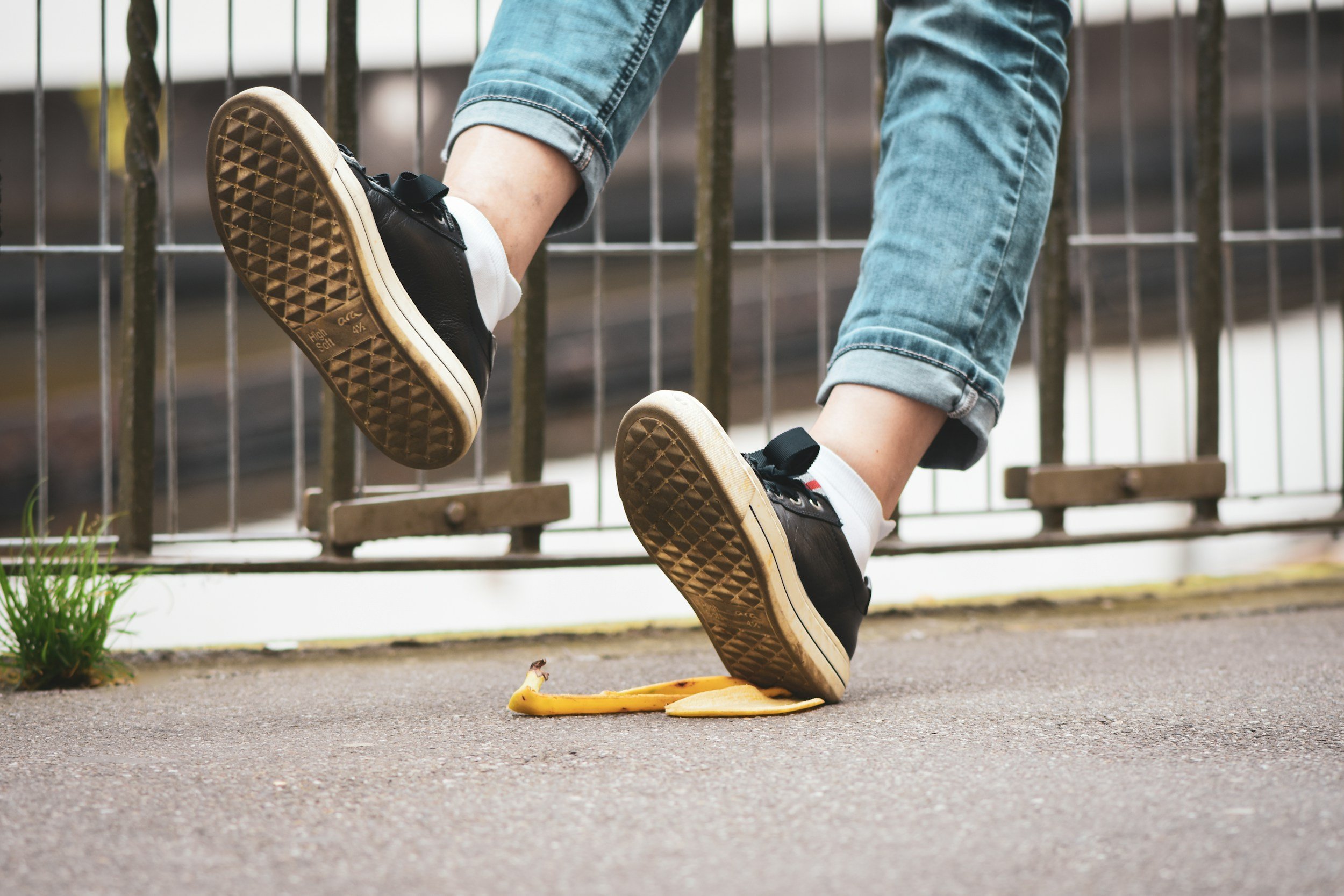
Do what you can to stop yourself falling!
The Slip You Don't See Coming
Falls are one of the most common reasons people end up needing urgent treatment over autumn and winter, and it isn't hard to see why. Wet leaves turn pavements into something closer to an ice rink. Mornings and evenings are dark by the time most of us are commuting. Frost catches out anyone stepping onto a path they crossed safely the day before.
The NHS is blunt about how common this is: around one in three adults over 65 living at home will have at least one fall a year, and slips, trips and falls are consistently flagged by the health service as one of the biggest seasonal risks of the colder months, alongside icy conditions and reduced daylight.
But here's the part that often gets missed: the goal isn't simply to avoid every icy patch — that's not realistic for anyone with a normal life to lead. The real protection comes from what happens in the split second after your foot slips. A body with good strength and balance can often catch itself, correct, and carry on.
A body that's lost condition over a sedentary summer or a gradually less active autumn is far more likely to go down — and it's very often the fall itself, not the original slip, that causes the real damage.
Building a body that catches itself
The good news is that this is trainable, at any age, and it doesn't take a gym membership. A few minutes a day is genuinely enough to make a measurable difference:
Single-leg balance — simply standing on one leg for 20–30 seconds (holding onto a worktop at first if needed) while brushing your teeth or waiting for the kettle to boil. Gradually making this tougher….
Sit-to-stand exercises — standing up from a chair without using your hands, five to ten times in a row, which builds exactly the leg strength that stops a stumble becoming a fall. Gradually making these tougher….
Calf raises — rising onto your toes and lowering slowly, which strengthens the ankle stability that matters most on uneven or slippery ground.
General strength training, twice a week, for anyone able to manage it — this remains one of the single best predictors of staying steady on your feet as the years go on.
It REALLY can make a HUGE difference to how things turn out!
Combine this with sensible footwear (a flat, low heel with a decent tread beats fashion every time on a frosty morning), and you've done most of what genuinely reduces fall risk — far more than simply being cautious ever will.
The Weekend Warrior Trap
The second seasonal danger is less dramatic, but we see it just as often: the sudden garden or DIY blitz.
If it's been a warm summer, there's a good chance the garden jobs got quietly shelved — nobody wants to dig over a flower bed or clear the shed in 28-degree heat. Which means that come the first cool, overcast weekend of autumn, a lot of people suddenly decide it's time to catch up on everything at once: cutting back the hedges, clearing gutters before the frost, digging over beds, moving pots and furniture into storage, raking three months' worth of leaves.
This is what sports medicine calls the "weekend warrior" pattern — a body that's done very little physical loading suddenly asked to do a full day of bending, lifting, twisting and carrying. It's one of the most reliable causes of lower back strain, shoulder injury and stiff, locked-up necks that we see walk through our door every single autumn, and it's almost entirely avoidable.
H3: Tackling the garden backlog without paying for it on Monday
Spread it out. A weekend of solid graft is far harder on an unconditioned body than the same jobs split across three or four shorter sessions. Your garden will still be there next weekend.
Warm up before you lift anything heavy, just as you would before exercise — a few minutes of movement to get blood flowing into the muscles you're about to ask a lot of.
Bend at the knees, not the back, when lifting bags, pots or bags of compost, and keep the load close to your body rather than reaching out and twisting.
Use the wheelbarrow rather than carrying armfuls — repeated twisting under load is one of the most common ways people injure their lower back doing garden work.
Know when to call in help. Hedge trimming at height, moving heavy furniture, or anything involving a ladder is worth paying someone for rather than risking it solo — the cost of professional help is almost always less than the cost of weeks of treatment afterwards.
A Brief Word on Immunity
It would be remiss not to mention the obvious seasonal concern: colds, flu, and the general run of winter bugs. The evidence here is fairly consistent — regular, moderate physical activity supports healthy immune function, while a sharp drop into inactivity tends to do the opposite. You don't need to train like an athlete, and in fact overdoing it can be counterproductive; the aim is simply not to let movement disappear altogether as the temperature drops. It's one more reason, alongside strength and balance, that staying active through autumn and winter matters more than most people realise.
Protection, Not Hibernation
Pull all of this together and the message is consistent: the safest approach to autumn and winter isn't to retreat and do less, it's to actively build the strength, balance and resilience that lets your body handle whatever the season throws at it — an icy step, a weekend of garden jobs, or just the general wear of colder, darker months.
If you're already feeling less steady on your feet than you'd like, or if last year's garden weekend left you nursing a back that never quite felt right afterwards, this is exactly the sort of thing we can help with — both treating what's already bothering you and building a plan to stop it happening again.
At Back to Back Osteopathy, our GOsC-registered team has been keeping people across Earlsfield, Wandsworth and SW18 strong, steady and active through every season for over 25 years. If autumn's already caught you out, or you'd simply like to be better prepared for it, get in touch.
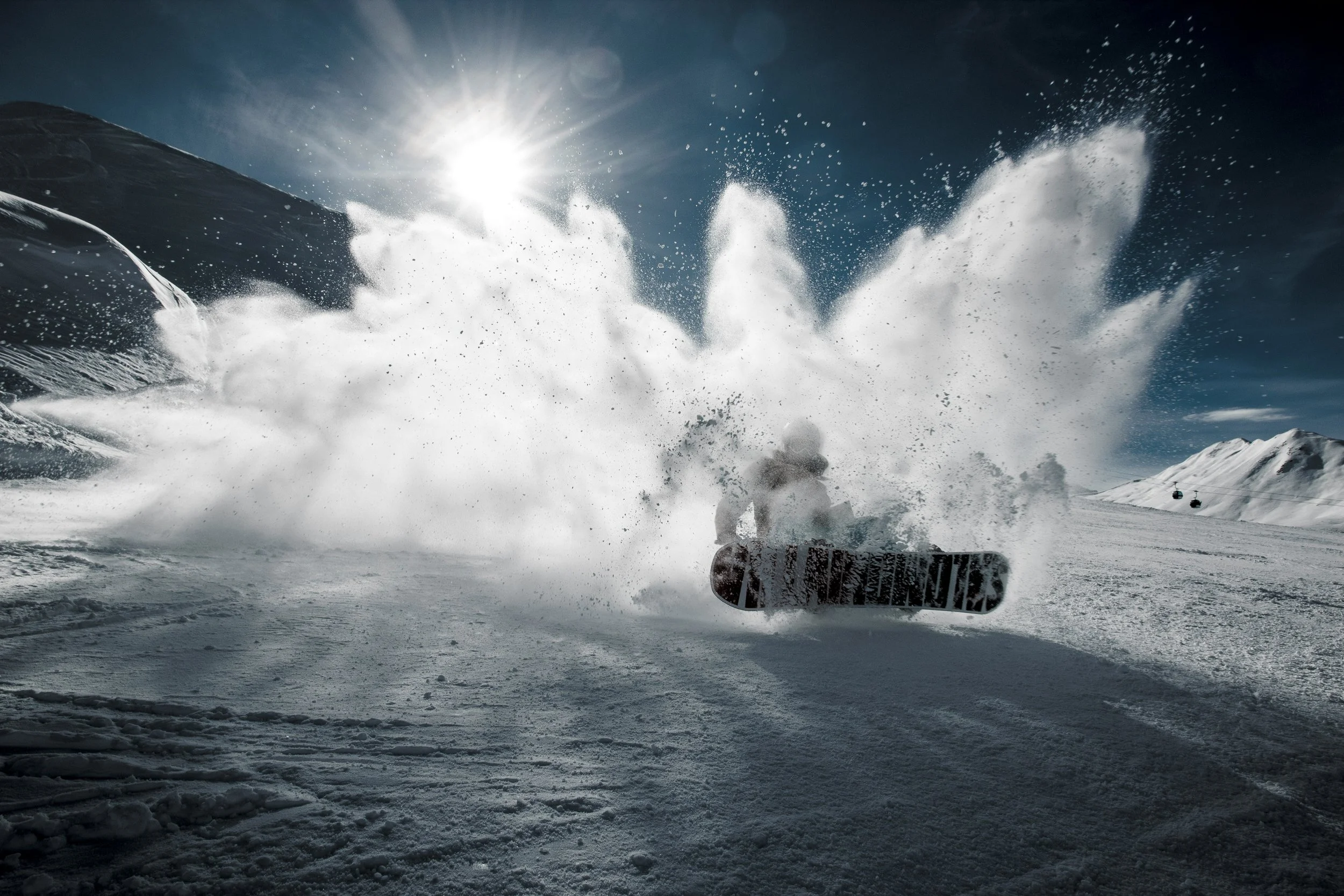
Preparing Your Body for Winter Sports Season: Skiing, Skating and Sledging
Preparing Your Body for Winter Sports Season: Skiing, Skating and Sledging
Winter Sport Comes in More Forms Than You Think
When most people hear "winter sports injuries," they think of skiing. But every year, we see the results of the full range of things this city gets up to once the weather turns — a ski trip to the Alps, an afternoon at one of London's pop-up ice rinks, or an hour on a sledge if we're lucky enough to get proper snow. They're very different activities, but they share a common thread: each asks a body that's spent months sitting at a desk, walking the same familiar routes, and doing very little unfamiliar physical work, to suddenly perform on an unstable, unfamiliar surface — often for the first time in a year.
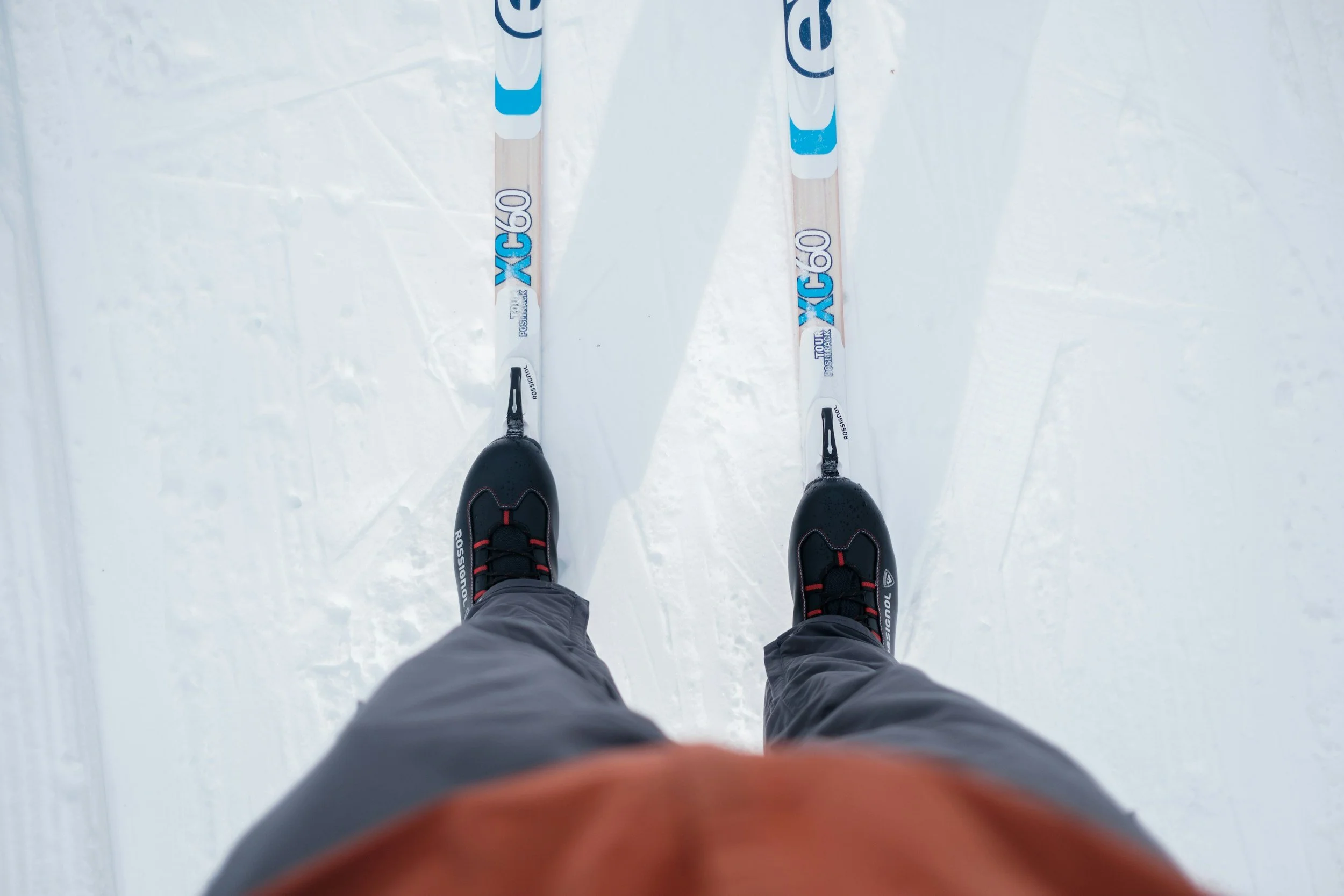
It is important that you prepare for the activity that you will be doing. Especially if you only do it once or twice a year!!!
What We See in Clinic, and Why
Two things drive most of what we see around winter sports season. The first is pre-existing issues surfacing before a trip. A knee that's been a bit sore since a five-a-side game in April, or a lower back that flares up occasionally, tends to sit quietly under the radar for most of the year — until someone's about to spend a week loading that same joint repeatedly on a mountain.
The second is what comes back afterwards, and this covers far more than skiing. We see wrist and shoulder strains after the first ice skating trip of the season, sore backs and shoulders after a heavy day on the slopes, and — particularly if the snow does arrive — the bumps, sprains and occasional fracture that follow an enthusiastic afternoon of sledging, most often in children. None of this is really about any of these activities being unusually dangerous. It's about bodies being asked to do something demanding and unfamiliar with little to no preparation.
H2: The Injuries We See Most, and Why They Happen
Skiing — knee ligament sprains and the odd surprise
The injury most associated with skiing is damage to the knee ligaments — most often the medial collateral ligament (MCL) and, in more serious cases, the anterior cruciate ligament (ACL). These typically happen through a twisting fall, when the ski catches an edge or fails to release cleanly while the body keeps rotating. It's a slightly counterintuitive part of ski history: modern release bindings, designed to detach the boot under excessive force, dramatically cut the lower-leg fractures common in skiing's earlier decades — but they're calibrated to release under bone-breaking force, not the lower, twisting force that still tears a ligament. So as fractures fell, knee ligament injuries became proportionally more common. We also regularly see lower back strain from hours spent in a semi-crouched, load-absorbing position, and thumb ligament sprains from a fall onto a planted pole — commonly called "skier's thumb," though interestingly, research suggests this specific injury more often comes from ordinary falls onto an outstretched hand in daily life than from skiing itself.
Snowboarding — a different fall, a different injury
Snowboarders fall differently to skiers, because both feet are fixed to one board rather than moving independently. Wrist fractures are the classic result, particularly for beginners who instinctively put a hand out when falling forward — exactly the mechanism that breaks the wrist. Shoulder injuries follow a similar pattern, often from the same forward falls or from being caught off-balance at speed.
Ice skating — more common, and more injurious, than people expect
This is the one most people underestimate, largely because it feels like a low-key Christmas activity rather than a sport. Research into recreational ice skating puts the injury rate at around 1 in every 700 skaters, with the average injured skater in their early thirties — in other words, exactly the demographic taking the kids to Winter Wonderland or Somerset House rather than a professional on the ice. The most common injury by some distance is a wrist fracture, again from falling onto an outstretched hand, followed by fractures around the elbow. Head injuries are much less common — around 1 in 200 injuries — but are taken seriously when they happen, since a backward fall on ice can generate real force. Skating asks for a level of balance and ankle stability most of us simply don't use in daily life, which is exactly why an unprepared first session of the season is when most injuries happen.
Sledging — mostly about the kids, and mostly about what they hit
If snow does settle properly, sledging brings its own, quite distinct injury pattern, and it disproportionately affects children — one large study of emergency department visits found children under 19 accounted for nearly 70% of sledding injuries, and were roughly seven times more likely than adults to need emergency treatment. The critical detail is that most of these injuries aren't from the sledge itself, but from collisions — running into a fence, a tree, another sledger, or simply the ground at the bottom of a slope that wasn't as clear as it looked. Head injuries were the single most common result, particularly for children on tubes or discs rather than traditional sledges. It's a useful reminder that the real risk on the common isn't really the speed — it's what's waiting at the bottom of the hill.
The Hidden Factor: Fatigue and Cold Muscles
Across all of these activities, one theme keeps reappearing: the injury is rarely about the first attempt. It's the third run of the day, the second hour on the ice, the muscles that are cold, tired, or simply out of practice that stop responding quickly enough to correct a stumble before it becomes a fall.
This links back to something we've talked about before: cold genuinely does make muscles stiffer and slower to respond, and a body that's been sedentary through autumn is starting winter sports season already behind. On a multi-day ski trip, this shows up as injuries clustering later in the day and later in the week, as the small stabilising muscles around the knee, hip and ankle tire and technique quietly deteriorates. On the ice rink or the sledging hill, it shows up more simply — as the first attempt in a year, on a body that hasn't asked its balance or reflexes to work this way since last winter.
What Preparation Can — and Can't — Do
We want to be honest about this rather than overstate it: no amount of preparation guarantees you won't fall, get caught by another skier, or take a tumble on the ice. That's not how any of these activities work, and anyone promising otherwise isn't being straight with you.
What preparation genuinely does is change your odds. It builds the strength to hold good technique for longer before fatigue sets in. It builds the balance and proprioception — your body's sense of where it is in space — that lets a stumble be corrected rather than becoming a fall. This applies just as much to catching yourself on an ice rink as it does to a ski slope; the physical skill underneath is largely the same.
A Sensible Plan for Skiers, Skaters and Sledgers Alike
If you're skiing or snowboarding
Six to eight weeks of consistent preparation makes a genuine difference. Squats, lunges and step-ups build the leg strength that drives your turns and absorbs impact. Planks and rotational core work support the trunk control both sports demand. Single-leg balance work — progressed onto an unstable surface like a wobble cushion as it improves — trains exactly the split-second correction that stops a wobble becoming a fall. And general cardiovascular fitness (brisk walking, cycling, swimming) delays the fatigue that catches people out by day three or four of a trip.
If you're skating or sledging
These are harder to specifically "train" for, since they're often spontaneous rather than planned months ahead — but the same underlying strength and balance work helps considerably, and a few practical habits matter more here than fitness. For skating: take the first session gently rather than heading straight into confident laps, and don't dismiss wrist guards if you're a beginner — given how common wrist fractures are, they're a sensible precaution rather than an overreaction. For sledging with children: choose a slope with a clear, obstacle-free run-out at the bottom, keep well away from roads, fences, trees and other sledgers' paths, and treat helmets the same way you would for cycling if the hill has any real speed or a busy run-out.
When to Get Checked
If you're carrying an old knee injury, a history of back problems, or a shoulder that's never quite felt the same since a previous fall, it's worth having it assessed before a ski trip rather than hoping it holds up. And if anyone in the family — adult or child — comes back from a skate or a sledging afternoon with something that isn't settling after a few days, it's better to have it looked at properly than to assume it'll sort itself out.
At Back to Back Osteopathy, our GOsC-registered team — including our paediatric osteopathy service — has been helping patients across Earlsfield, Wandsworth and SW18 prepare for, and recover from, winter sport of every kind for over 25 years. Whatever your winter looks like this year, get in touch and we'll help make sure everyone's ready for it.
References

Why Your Aches Feel Worse in Autumn (And What to Do About It)
Why Your Aches Feel Worse in Autumn (And What to Do About It)
If you've noticed your back, knees or shoulders feeling stiffer and sorer since the weather turned, you're not imagining it, and you're certainly not alone. Every autumn, our clinic here in Earlsfield sees a noticeable rise in patients coming in with joint and muscle pain that seemed to appear out of nowhere — often in people who felt perfectly fine all summer.
There's a genuine, physiological explanation for this. Understanding what's actually happening in your body when the temperature drops makes it far easier to stay ahead of it, rather than simply accepting three months of stiffness as the price of a British winter.

Glorious colours of autumn!!!
If you've noticed your back, knees or shoulders feeling stiffer and sorer since the weather turned, you're not imagining it, and you're certainly not alone. Every autumn, our clinic here in Earlsfield sees a noticeable rise in patients coming in with joint and muscle pain that seemed to appear out of nowhere — often in people who felt perfectly fine all summer.
There's a genuine, physiological explanation for this. Understanding what's actually happening in your body when the temperature drops makes it far easier to stay ahead of it, rather than simply accepting three months of stiffness as the price of a British winter.
The Real Reasons Your Body Feels Different in Colder Months
Reduced blood flow to your muscles
When you're cold, your body prioritises keeping your core organs warm. To do this, blood vessels near the surface of your skin and in your limbs constrict, redirecting blood flow inward. That's a sensible survival mechanism, but it has a side effect: your muscles receive less blood flow than they do in warmer months. Less blood flow means less oxygen and warmth reaching the muscle tissue, which makes muscles naturally tighter, less pliable, and slower to respond — exactly the conditions that make you feel stiff getting out of bed or off the sofa.
Tighter connective tissue
Muscles aren't working in isolation. They're wrapped in fascia — the connective tissue that surrounds muscles, joints and tendons — and fascia behaves a lot like an elastic band left in a cold room: it becomes less elastic and more prone to feeling "tight" or restricted. For anyone with an old injury, a previous sprain, or a joint that's already slightly compromised, this reduced elasticity is often where stiffness or discomfort is felt most acutely, because there's simply less give in the tissue around the area.
A genuine drop in activity levels
This one is less about physiology and more about habit, but it matters just as much. As daylight hours shrink, the evening run gets skipped, the walk to the shops becomes a drive, and Saturday's outdoor activity is quietly swapped for staying in. Movement is one of the best things we can do for joint health — it keeps synovial fluid (the joint's natural lubricant) circulating and keeps supporting muscles strong. When activity drops off, even by a modest amount, joints that were coping perfectly well over summer can start to feel stiffer and more irritable within a matter of weeks.
Put these three factors together — less blood flow, less elastic tissue, and less movement — and it's easy to see why so many people experience a genuine flare-up in symptoms every autumn, regardless of age or fitness level. It's particularly common in anyone managing an old injury, a bit of wear and tear in the knees or hips, or general lower back stiffness, but it can catch younger, generally fit patients off guard too.
Staying Limber Through the Colder Months
The encouraging news is that very little of this is inevitable. A few consistent habits make a real difference.
Build in short, regular indoor mobility
You don't need a full workout to keep your joints happy — you need frequency. Five to ten minutes of movement, two or three times a day, will do far more for stiffness than one long session once a week. Useful habits to build in:
A short mobility routine first thing in the morning — gentle spinal rotations, hip circles, and shoulder rolls before you've even left the bedroom help "wake up" tissue that's been still all night.
Standing up and moving every 45–60 minutes if you're at a desk. Cold weather tends to mean more time indoors and more time seated, which compounds stiffness rather than relieving it.
A few minutes of stretching in the evening, particularly for the hips, lower back and calves, which tend to bear the brunt of reduced daytime movement.
Warm up properly before outdoor exercise
If you're still running, cycling or playing sport through autumn and winter — and we'd encourage you to keep doing so — the warm-up matters considerably more than it does in July. In colder conditions:
Give yourself at least 8–10 minutes of dynamic warm-up (leg swings, lunges, arm circles) rather than static stretching, which is more effective at raising muscle temperature and gets blood moving into the tissue before you ask it to work.
Layer your clothing so you can regulate temperature as you warm up, rather than starting in minimal kit.
Ease into pace gradually. Muscles and tendons that are still cold are considerably more vulnerable to strains in the first ten minutes of activity, which is when most cold-weather exercise injuries happen.
Cool down properly rather than stopping abruptly and heading straight into the cold — a gradual cool-down helps prevent the sharp stiffness that often sets in a few hours after exercising in low temperatures.
Don't underestimate everyday warmth
It sounds simple, but keeping key areas — particularly the lower back, knees and neck — genuinely warm with appropriate clothing does more than most people realise. Muscles that are kept warm require less effort to move and are less prone to the tightness that leads to strain.
When It's More Than Just "Seasonal Stiffness"
Some increase in stiffness through autumn and winter is normal, and for most people, the habits above are enough to manage it comfortably. But there's a difference between mild, manageable seasonal stiffness and pain that's telling you something needs proper attention. It's worth booking in with us rather than continuing to push through if:
The discomfort is one-sided, sharp, or localised to a specific joint, rather than a general, diffuse stiffness.
It's affecting your sleep, your walking pattern, or your ability to do normal daily tasks.
You notice swelling, warmth, or visible changes around a joint.
The stiffness isn't easing with movement and warmth — if anything, it's getting worse week on week rather than settling into a manageable pattern.
You're compensating — favouring one side, altering how you walk or move to avoid triggering the pain. This is one of the most common ways a minor issue turns into a bigger one, as the body starts placing extra strain on other joints and muscles to protect the original site.
None of this is about alarm — it's simply that "pushing through" is the right instinct for genuinely mild, seasonal stiffness, and the wrong instinct for something that needs hands-on treatment. An osteopath can quickly tell the difference, get to the root of what's actually going on, and treat it before winter has a chance to make it worse. If you are concerned in anyway, book into see us.
Heading Into Winter Feeling Good
Autumn doesn't have to mean three months of creaking joints and low-level aches. A little consistency — regular movement, a proper warm-up, and keeping an eye on anything that doesn't settle — goes a long way. And if something has been nagging at you since the summer, now is genuinely the best time to get it looked at, before the colder months make it harder to shift.
At Back to Back Osteopathy, our GOsC-registered team has been helping people across Earlsfield, Wandsworth and SW18 stay active and pain-free through every season for over 25 years. If you're feeling the effects of the colder weather, get in touch — we're here to help.
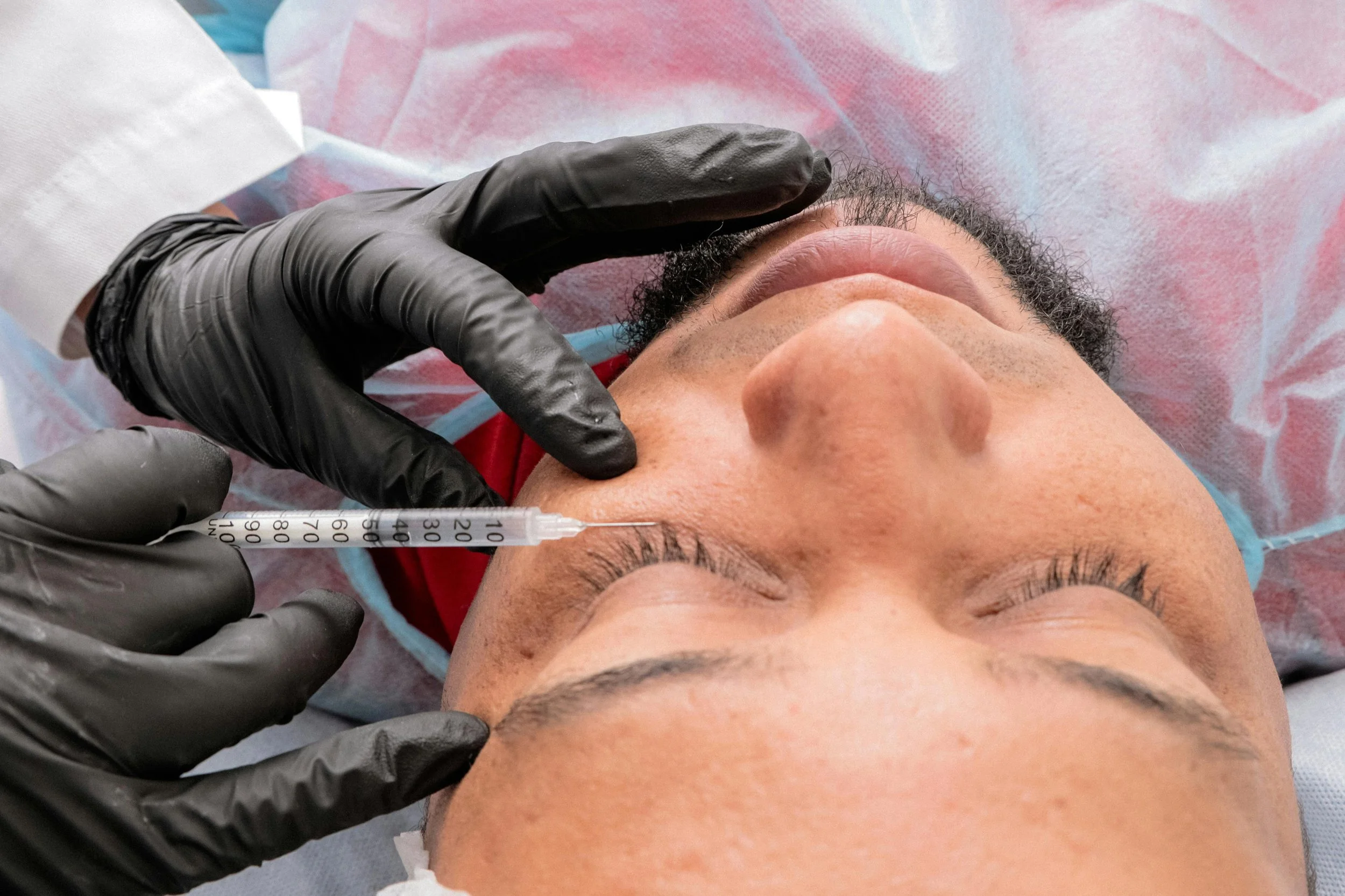
We Are Spending a Fortune on How We Look. We Are Investing Almost Nothing in How We Feel.
By James Dodd BSc (Hons) Ost FAFS, AIM. By James Dodd, Principal Osteopath & Co-owner, Back to Back Osteopaths
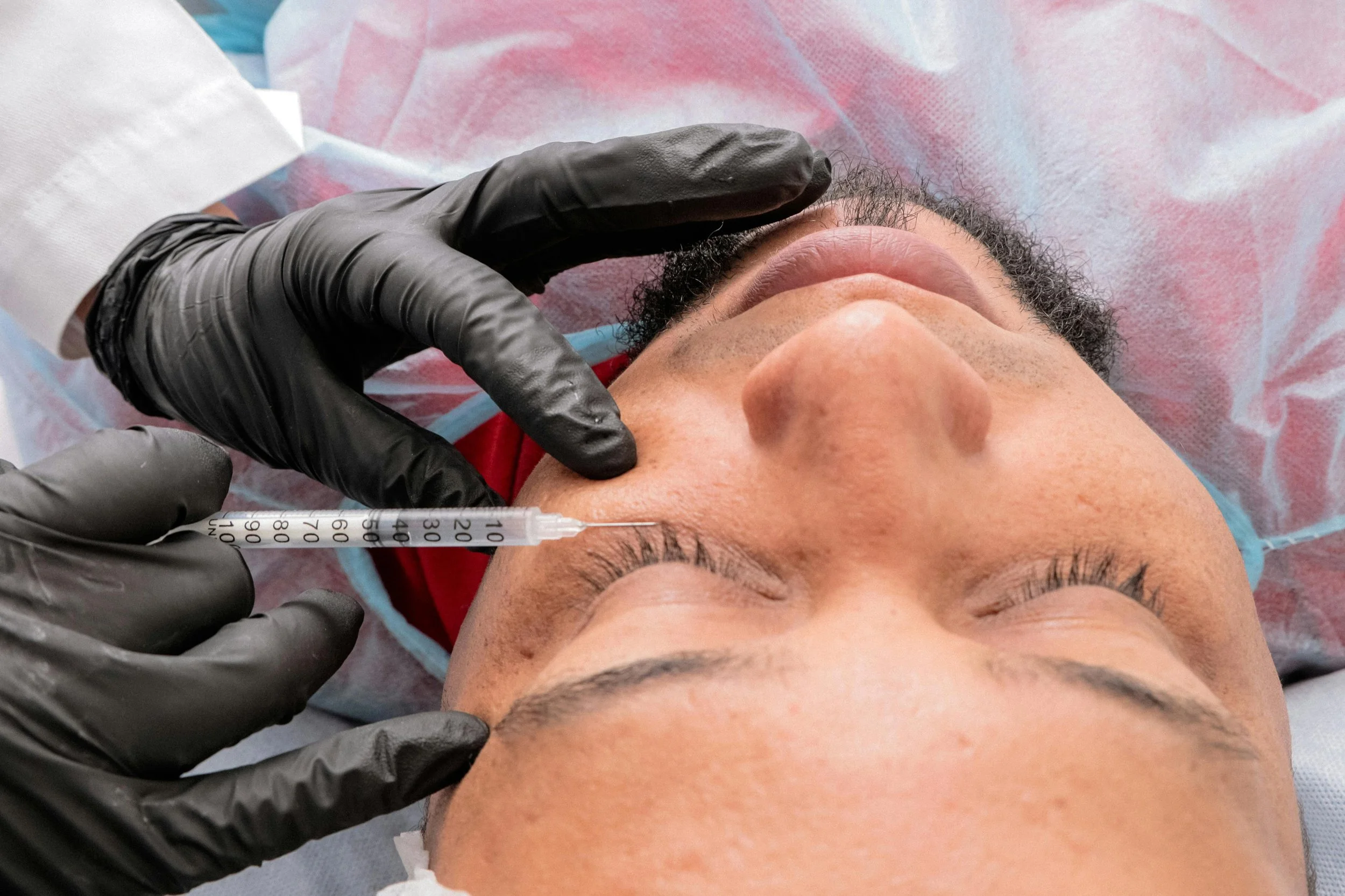
The UK aesthetics industry is now worth over £3.6 billion a year. Britons spend an estimated £1.8 billion annually on skincare alone. Botox, fillers, laser treatments, and body contouring have moved from the fringes to the high street, and an entire generation has grown up treating aesthetic maintenance as a routine part of self-care.
Meanwhile, nearly four in ten UK adults are not meeting the basic recommended levels of physical activity. Strength training — the single most evidence-backed intervention for long-term health — is even more neglected, with the majority of the population doing little to none.
We are spending lavishly on how we look and investing almost nothing in how we function. Something has gone quietly, significantly wrong.
This is not a moral argument
I want to be clear about what I am not saying. I am not saying that caring about your appearance is shallow, or that aesthetic treatments have no value, or that people who get Botox are making a mistake. That is not my point and it is not my business.
My point is narrower and, I think, harder to argue with: appearance spending has become, for many people, a substitute for the slower and less glamorous work of actually getting and staying well. And the health consequences of that substitution are serious.
When I look at the patients who come through our door in chronic pain — back pain, neck pain, hip pain that has been building for years — the most common thread is not a specific injury or a structural problem visible on a scan. It is deconditioning. They have simply lost the strength, the mobility, and the physical resilience their body needs to cope with ordinary daily demands. They have been maintaining their surface while their foundations quietly crumbled.
Why we choose looking over moving
The aesthetics industry has not manufactured this problem alone. It has responded, very efficiently, to a culture shaped by social media, constant visual comparison, and a profound narrowing of what the word 'health' actually means.
Visible results are immediate and shareable. A stronger back, better balance, and a lower resting heart rate are not.
There is a genuine confidence argument for appearance investment — feeling good about how you look does support mental wellbeing, and I would not dismiss that. But confidence built on physical strength, good sleep, and genuine fitness is a different thing from confidence borrowed from a clinic. One compounds. The other requires constant renewal.
The harder truth is that the health system — and I include parts of the wellness industry in this — has done a poor job of making functional health feel as desirable, as achievable, and as worth investing in as aesthetic health. That is a failure of communication as much as anything else. Because the case for getting stronger is, frankly, overwhelming.
What the evidence actually says
Regular physical activity reduces the risk of cardiovascular disease, type 2 diabetes, certain cancers, depression, anxiety, and dementia. It improves bone density, posture, sleep quality, hormone regulation, and immune function. It reduces chronic pain — including the back and joint pain that accounts for a vast proportion of GP appointments and lost working days in the UK every year (Hartvigsen et al., 2018).
Strength training specifically has been shown to reduce all-cause mortality independently of cardiovascular exercise (Stamatakis et al., 2018). It is the most powerful tool available for maintaining functional independence into later life. It is, in the most literal sense, the intervention most likely to determine the quality of your final decades.
And here is what no aesthetics clinic will ever put in their marketing: a person who moves regularly, builds genuine strength, manages their stress, and sleeps well looks noticeably different from one who does not. The most effective anti-ageing intervention available is not in a syringe. It is progressive, consistent physical loading — and it costs a fraction of what most people spend on their skin.
What that money could do instead
A gym membership costs between £25 and £50 a month. A block of sessions with a good personal trainer gives you movement skills that compound over years. A course of osteopathic treatment — particularly early, before a niggle becomes a chronic problem — addresses root causes rather than managing symptoms.
These investments change the trajectory of your health over decades. They are not glamorous. They do not produce a before-and-after photo you can post on a Tuesday. But they are the difference between a body that functions well at 70 and one that does not.
You do not need expensive equipment. You do not need a perfect diet or a complete lifestyle overhaul. You need to move more than you currently do — progressively, consistently, and with some intention behind it.
The question worth asking
The aesthetics industry will still be there. It is not going anywhere, and I am not suggesting it should.
But before the next booking, it might be worth sitting with one question: when did I last invest this much in how I actually feel?
Not how I look in a photograph. Not how I present in a meeting. How I feel getting out of bed in the morning. How I move through a day without pain. How I expect to function at 65, or 75, or 85.
That is the investment with the longest return. And in my experience, it is the one people most consistently undervalue — right up until the point where their body insists they pay attention.
Where to start
If you are not sure where to begin, or if pain or injury has made movement feel complicated or threatening, that is exactly what we are here for.
At Back to Back Osteopaths in Earlsfield, we work with patients at every stage — from acute injury to long-term movement goals. Our focus is not just on relieving pain but on helping you understand your body well enough to keep it well.
We also work closely with personal trainers, coaches, and other health professionals in South West London — so if what you need is a referral rather than a treatment, we will point you in the right direction.
Call us on 020 8605 2323 or book online.
Back to Back Osteopaths, 432 Garratt Lane, Earlsfield, London SW18 4HN
References
Hartvigsen, J., Hancock, M. J., Kongsted, A., et al. (2018). What low back pain is and why we need to pay attention. The Lancet, 391(10137), 2356–2367.
Stamatakis, E., Lee, I. M., Bennie, J., et al. (2018). Does strength-promoting exercise confer unique health benefits? A pooled analysis of eleven population cohorts with all-cause, cardiovascular, and cancer mortality endpoints. American Journal of Epidemiology, 187(5), 1102–1112.
UK Aesthetics Industry Report (2023). British Association of Aesthetic Plastic Surgeons / Mintel Skincare Market Report.
NHS Health Survey for England (2022). Physical activity in adults. NHS Digital.
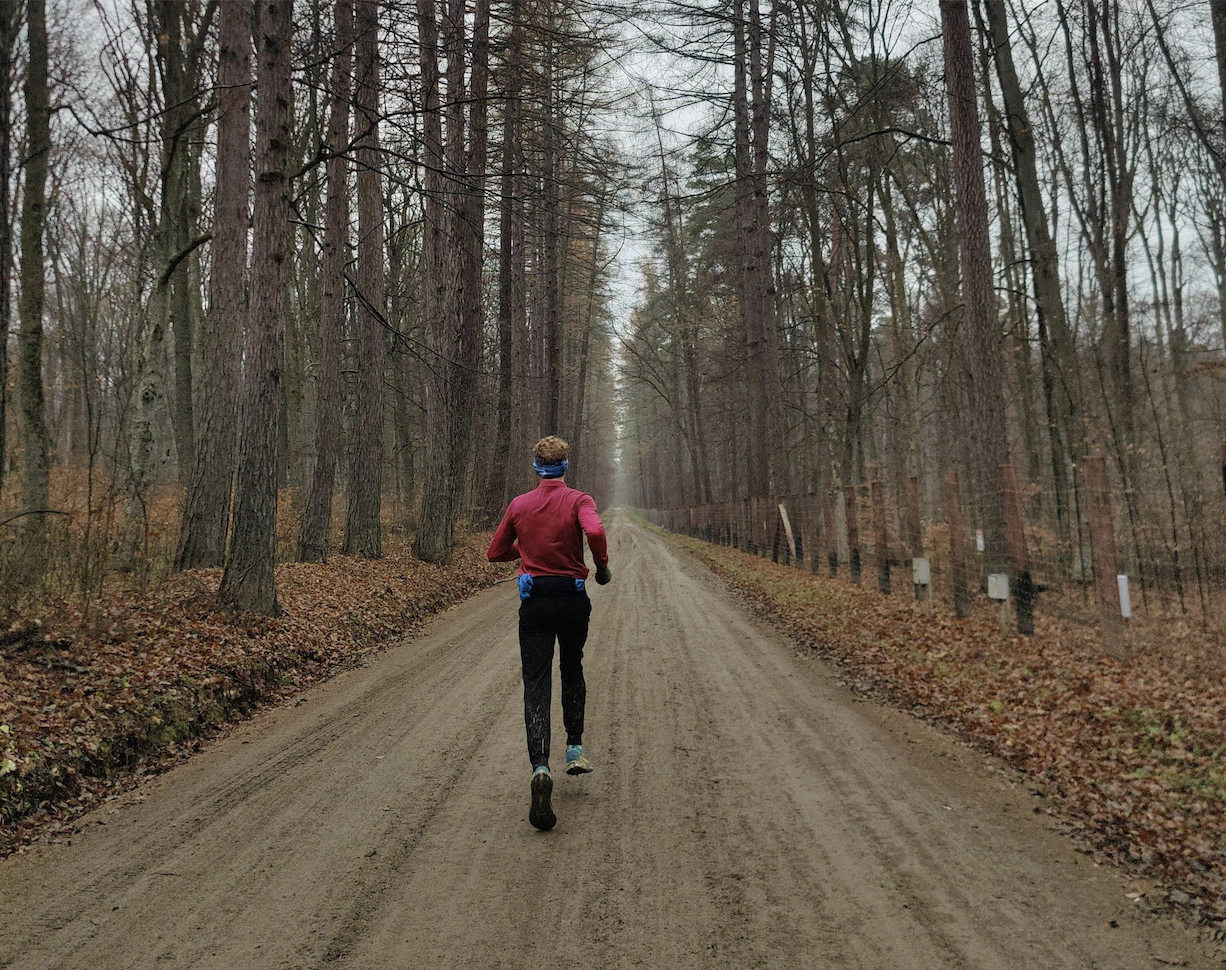
What I See in many Runners' Gaits Before They Get Injured.
By James Dodd BSc (Hons) Ost, FAFS AIM , Principal Osteopath at Back to Back Osteopaths, Earlsfield SW18
After more than two decades of treating runners — from weekend joggers preparing for their first 5k to competitive athletes logging 70-mile weeks — one pattern emerges more consistently than almost any other. The injury that brings someone through my door is rarely caused by the part of the body that hurts.
This seems counterintuitive. A runner presents with left knee pain. Naturally, they assume something is wrong with their left knee. What a thorough movement assessment often reveals, however, is something quite different: the left knee is the victim, not the culprit. The real problem is frequently happening on the opposite side of the body, one stride earlier in the gait cycle.
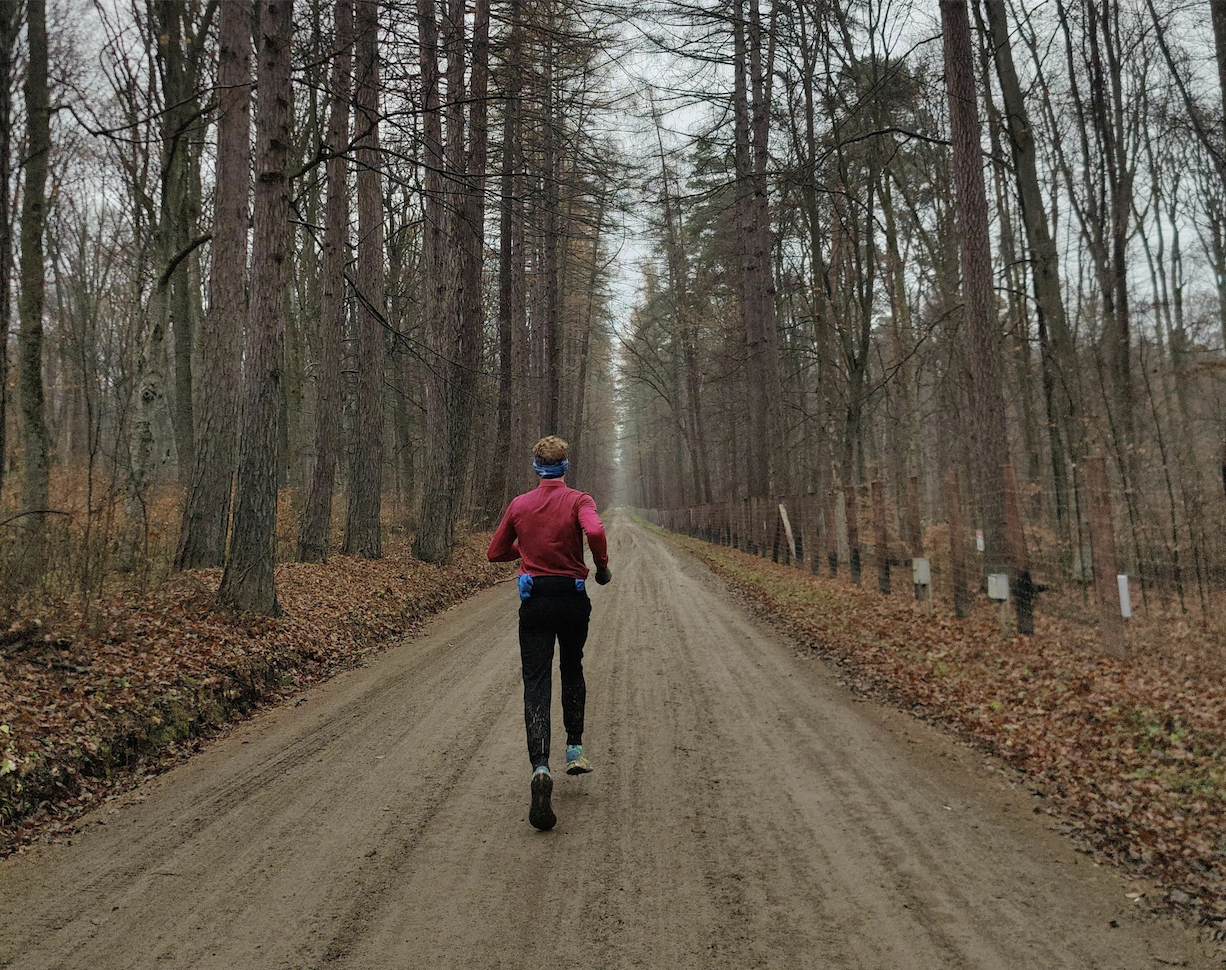
Running and gait. It is all joined up!
The gait cycle and why the push-off matters as much as the landing
To understand this, it helps to think about what running actually is. At its most basic, it is a continuous series of single-leg hops — a cycle of loading and unloading, absorption and propulsion. Every time your foot strikes the ground, your entire musculoskeletal system has about 120 to 200 milliseconds to absorb the force of roughly two to three times your body weight before the opposite leg swings through and lands.
That absorption demands mobility. The hip needs to extend fully behind you as you push off. The ankle needs to plantarflex and then dorsiflex fluidly as your body passes over the foot. If either of those movements is restricted — even subtly — the forces that should have been distributed across that joint complex don't simply disappear. They travel forward in the kinetic chain and are offloaded onto whatever structure is next in line to receive them.
Frequently, that structure is the contralateral (the other side) hip or knee knee.
What I look for in a movement assessment
When a runner comes in with knee or foot pain, my starting point is rarely the painful site. I want to watch them step, walk, step of a platform, hop, jump etc etc. I want to assess the full range of motion in both hips and both ankles — because restriction in one often tells you exactly why the other side is suffering.
A stiff right hip — specifically restricted hip extension — means the right leg cannot fully complete its push-off phase. The runner compensates by rotating through their pelvis or lumbar spine, or by shortening their stride, or both. But crucially, that incomplete push-off changes the mechanics of how the left leg lands. Because the propulsion from the right was diminished, the left leg has to work harder to maintain momentum. The left knee absorbs forces it was never designed to handle alone, repeatedly, for every stride of a 10-kilometre run. At some point something gives!!
The same logic applies to ankle restriction. A right ankle that lacks dorsiflexion (upward movement) — often the result of previous sprains, calf tightness, or longstanding stiffness — cannot allow the tibia to travel adequately over the foot during stance phase. The runner subtly compensates, often pronating excessively through the midfoot or externally rotating the leg. Again, the kinetic chain shifts the load forward and across: the left knee, the left plantar fascia, the left Achilles begin to absorb what the right ankle failed to.
This is the clinical picture I see repeatedly: a patient with left knee pain (or pain somewhere else) who has never had a right ankle or hip injury, and whose right side feels perfectly comfortable on a daily basis. The restriction is often subclinical — present, measurable, but not painful. It only becomes a problem under the cumulative load of running.
Why this pattern is so commonly missed
Standard clinical assessments tend to focus on the painful area. This is understandable — it is where the patient reports symptoms, and it is where imaging will be directed. But pain is a lagging indicator. By the time the left knee becomes symptomatic, it has often been absorbing excess load for weeks or months. Treating the knee alone — with strengthening, taping, or even injection — may provide temporary relief, but without addressing the restriction driving the overload, the injury will return.
This is why I use 3D movement analysis as part of my assessment process. Using tools like the 1080 Map system, I can assess how load is being distributed through the body in movement — not just at rest — and identify where mobility deficits are creating compensatory patterns under real functional demand.
Research supports this cross-body relationship. A 2019 study published in the Journal of Orthopaedic and Sports Physical Therapy found that contralateral hip weakness and restricted mobility were significantly associated with patellofemoral pain syndrome in runners, independent of local knee mechanics (Lack et al., 2019). Work by Powers (2010) in the same journal demonstrated that hip kinematics are primary drivers of knee loading patterns, and that interventions targeting the hip produced superior outcomes for knee pain compared to knee-focused treatment alone.
What this means for your training
If you are a runner currently managing niggling knee, foot, or shin pain, consider the following. Do you have a history of ankle sprains on the opposite side? Do you feel tighter through one hip than the other, particularly in extension? Do you notice that one leg feels like it pushes off less powerfully? Any of these may be relevant — and worth investigating before the niggle becomes a proper injury that forces you off the road entirely. Any of our functional team can help here.
Early assessment almost always shortens recovery time. A restriction identified at four weeks of mild symptoms is a very different clinical picture to the same restriction found after six months of deteriorating knee pain and a half-marathon.
Come and see us before the injury stops your training
At Back to Back Osteopaths in Earlsfield, Wandsworth, we see runners at every level — from those building their first base mileage to those preparing for ultras. Our functional team and 3D movement assessments are designed specifically to identify the kind of cross-body loading patterns described above, so that we can address what is actually driving your symptoms rather than simply managing where they appear.
If you are running with pain, or want an assessment before one develops, call us on 020 8605 2323 or book online.
Back to Back Osteopaths, 432 Garratt Lane, Earlsfield, London SW18 4HN
References
Lack, S., Barton, C., Sohan, O., Crossley, K., & Morrissey, D. (2019). Proximal muscle rehabilitation is effective for patellofemoral pain: a systematic review with meta-analysis. Journal of Orthopaedic and Sports Physical Therapy, 45(3), 234–243.
Powers, C. M. (2010). The influence of abnormal hip mechanics on knee injury: a biomechanical perspective. Journal of Orthopaedic and Sports Physical Therapy, 40(2), 42–51.
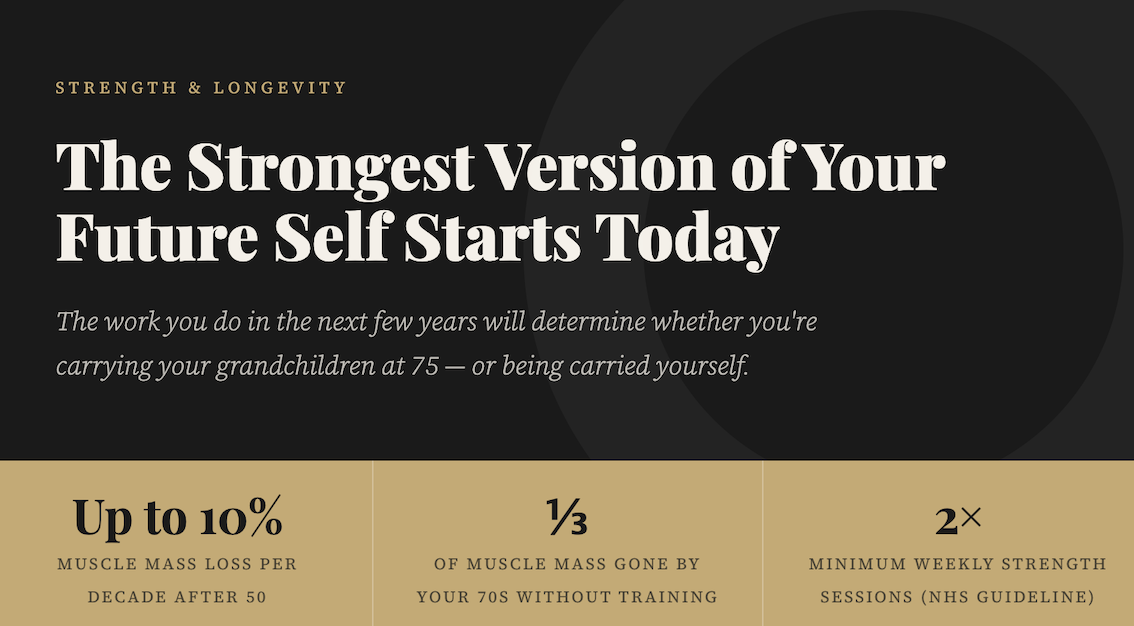
The strongest version of yourself. Your body is your pension!!!!
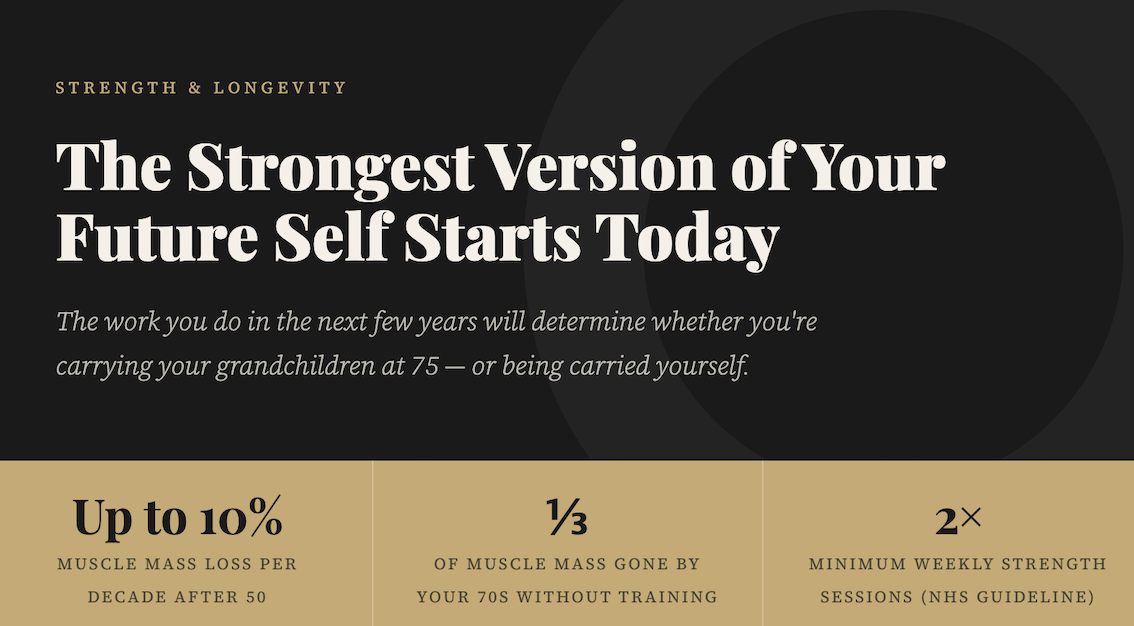
Most people don't think about what 75 looks like until they're already there. That's the problem. There's a quiet assumption most of us carry through our forties and fifties — that slowing down is just what happens. That stiffness, weakness, and fragility are the natural tax of getting older.
They're not. And the research on this is no longer ambiguous. Strength training — progressive, consistent, challenging — is one of the most powerful things you can do to protect your body, your independence, and your life expectancy.
Why muscle mass is a life-or-death issue
From around our mid-thirties, we begin losing muscle mass at roughly 3–5% per decade. By our seventies, someone who has done nothing to counteract this can have lost a third or more of the muscle they had in their prime. Clinically, this is called sarcopenia — and it's one of the leading contributors to falls, fractures, hospitalisation, and premature death.
A major study published in the British Medical Journal found that muscle weakness in midlife is strongly associated with higher all-cause mortality, independent of cardiovascular fitness. Grip strength alone has been shown to predict future disability more accurately than blood pressure in some populations. Your muscles are not just for lifting things — they regulate blood sugar, support bone density, protect your joints, and keep your heart working efficiently.
The NHS physical activity guidelines recommend muscle-strengthening activity at least twice a week for adults. Most people do not meet this threshold.
"Stretching will not help you lift a bag of compost. It will not stabilise your knee as you step off a ladder. Functional strength comes from trained muscle."
Stretching is not enough — and here's why
Flexibility is lovely. A good stretch feels wonderful. But it will not catch you when you stumble, let you carry your grandchildren, or get you up off the floor without looking for something to hold onto. Functional strength comes from regularly asking your body to work against resistance — and then asking it to work a little harder over time.
That second part is everything. The body adapts quickly. If you do the same exercise at the same weight indefinitely, you stop making progress. Progressive overload — gradually increasing demand on your muscles through heavier weights, more repetitions, or more challenging movements — is what drives real, lasting change. It's what separates maintenance from genuine improvement.
Progressive overload in practice
10 reps bodyweight→12 reps→Add light weight→Increase load→More complex movement
What this actually looks like — it's not what you think
Strength training does not mean competing with people half your age. It exists on a spectrum, and wherever you start is the right place. Begin at home — no equipment, no audience, no pressure.
1 Chair squats
Stand up, sit back down. Add a weighted rucksack as you progress. This is the movement that keeps stairs easy for decades.
2 Wall press-ups
Hands on the wall, step back, press. Builds shoulder strength for overhead reach, carrying shopping, and pushing up from low seats.
3 Step-ups
One leg at a time on the bottom stair, slow tempo. Builds the balance and hip strength that prevents the falls that change lives.
4 Resistance bands
Inexpensive and effective. A simple row movement builds the back strength that protects your posture and spine for decades.
5 Bodyweight hinges
Hinge forward with a slight knee bend, keep the back long, return to standing. Protects your lower back every single time you bend down.
Once those feel comfortable, take it further. Many leisure centres offer over-50s sessions specifically designed for supported strength work. Classes like Body Pump, kettlebell circuits, or resistance pilates all count. Personal trainers who specialise in older adults are more accessible and more affordable than most people assume.
Some people train alone. Others need a class, a gym buddy, or a structured programme to stay consistent. Consistency is the variable that matters most — and the best programme is the one you actually do, and keep making harder over time.
This does not need to be frightening. BUT science very strongly suggests in NEEDS to be done.
The investment logic is overwhelming
Every decade you delay costs more to recover. The muscle you build at 50 protects you at 70. The strength you develop now reduces your fracture risk, lowers your likelihood of needing hip or knee surgery, and significantly improves your chances of living independently well into old age.
This is not about aesthetics. It is about being able to do things — to carry, to climb, to squat down and play with a child, to travel without your body becoming the limiting factor. The research is consistent and emphatic: people who engage in regular strength training live longer, live better, and suffer fewer serious injuries. The investment is modest. The return is enormous.
If you need or would like help with any of the above, book in to see one of our osteopaths who can advise. OR call us on 020 8605 2323

Can Osteopathy Support Marathon Training or Triathlon Preparation?

Training for a marathon or triathlon is hugely rewarding — but it places significant, repetitive stress on the body. Whether you’re preparing for the London Marathon or building towards your first Olympic-distance triathlon, the combination of mileage, intensity and time pressure increases your risk of overload injuries.
This is where osteopathy can play a valuable role.
At Back to Back in Wandsworth SW18, we regularly support runners and triathletes through structured training blocks — not just when they’re injured, but proactively to keep them moving well.
The Demands of Marathon & Triathlon Training
Marathon training typically involves:
Progressive weekly mileage
Long runs placing sustained load through the calves, Achilles and hips
Speed sessions stressing hamstrings and hip flexors
Reduced recovery time during peak blocks
Triathlon preparation adds:
High cycling volume (hip flexor dominance, lumbar flexion posture)
Swimming (shoulder load and thoracic rotation demands)
Transition training, where fatigue alters running mechanics
When training volume increases faster than tissue capacity adapts, problems arise.
Common issues we see include:
Achilles tendinopathy
Patellofemoral pain
IT band irritation
Hamstring overload
Bone stress reactions
Lower back stiffness linked to cycling
These are rarely “random injuries.” They are usually load-management or biomechanics problems that build over time.
How Osteopathy Supports Performance
1. Early Identification of Overload Patterns
Before pain becomes an injury, the body often gives warning signs:
Persistent tightness in one calf
Reduced hip extension on one side
Subtle asymmetry in single-leg strength
Increasing fatigue that doesn’t resolve with rest
Osteopaths are trained to assess movement patterns, joint mobility and tissue load tolerance. Identifying these early allows adjustments before full injury develops.
For example:
A restricted ankle joint may increase Achilles strain.
Reduced thoracic rotation from cycling may alter arm swing in running.
Gluteal weakness may overload the hamstrings late in long runs.
Addressing these proactively keeps training consistent — and consistency is everything in endurance sport.
2. Optimising Biomechanics
Marathon and triathlon performance relies on efficiency. Small mechanical inefficiencies repeated over thousands of steps become significant.
Osteopathic assessment looks at:
Hip extension and pelvic control
Ankle mobility and calf capacity
Thoracic rotation
Rib and breathing mechanics
Lumbar spine load distribution
Manual therapy can improve joint mobility and reduce protective muscle tone, but this is only part of the picture. The goal isn’t just to “loosen” tissues — it’s to restore optimal movement so force is distributed more evenly.
3. Strength & Load Guidance
Endurance athletes often focus heavily on mileage but neglect strength.
Evidence consistently shows that strength training:
Reduces running injury risk
Improves running economy
Supports tendon resilience
Enhances late-race performance
Osteopaths can guide:
Single-leg control work
Calf capacity progression
Hip abductor and glute strength
Plyometric progression for race readiness
Core and trunk endurance
This becomes especially important for triathletes managing cumulative fatigue across three disciplines.
4. Managing Recovery During Peak Blocks
During high-load weeks, athletes may experience:
DOMS that lingers longer than expected
Calf tightness after speed work
Shoulder stiffness from increased swim volume
Low back ache from long rides
Osteopathic treatment during these periods can help maintain joint mobility, improve circulation to overloaded tissues, and reduce compensatory patterns.
Importantly, treatment should be integrated into the training plan — not used as a last-minute fix when things break down.
5. Supporting Return from Niggles
Very few athletes complete a full marathon or triathlon block without any niggle.
The key is not eliminating discomfort entirely — it’s understanding when discomfort is acceptable and when it signals tissue overload.
An osteopath can help distinguish between:
Normal training soreness
Tendon overload
Early bone stress reactions
Neural irritation
Joint-related referral pain
This clarity allows smarter decisions around:
Whether to continue training
How to modify load
When to cross-train
When imaging or GP referral is required
This is particularly relevant in marathon build-ups where ignoring early bone stress symptoms can end a season.
Osteopathy Is Not Just “Treatment”
The biggest shift in modern sports osteopathy is moving away from purely passive treatment.
Effective support involves:
Movement assessment
Load management advice
Evidence-based strength programming
Biomechanical optimisation
Clear return-to-run frameworks
Manual therapy is a tool — not the entire solution.
When Should You See an Osteopath During Training?
Consider booking if:
You notice asymmetry developing
A niggle persists beyond 7–10 days
You are increasing mileage significantly
You’re entering peak training
You have a history of recurrent injury
You’re returning after time off
You don’t need to wait for a full injury.
Final Thoughts
Marathon and triathlon preparation place extraordinary demands on the body. The difference between successful completion and frustrating injury is often proactive management.
Osteopathy can support:
Injury prevention
Movement efficiency
Strength integration
Recovery management
Smarter training decisions
Whether you’re building towards your first race or chasing a PB, structured musculoskeletal support can make training more resilient and more sustainable.
And ultimately, staying healthy through the build-up is what gets you to the start line confident — and to the finish line strong.
Back to Back Osteopaths is a trusted resource for marathon runner and triathletes alike. But we also see athletes from most other sporting disciplines.
By James Dodd BSc (hons) Ost. FAFS.
GOsC registered
Book an appointment online today. Or not sure if your symptoms need treatment? Feel free to call our clinic in Wandsworth and we’ll happily advise.
Why Strength Training Is Essential for Injury Protection in the London Marathon
Training for the London Marathon is a huge physical undertaking. Over 26.2 miles, your body absorbs thousands of repetitive loading cycles. Every step places forces of two to three times bodyweight through your feet, ankles, knees and hips. Multiply that by 35,000–45,000 steps and it’s easy to see why injury rates in marathon training are high.
The common misconception? That more running is always the answer.
In reality, strength training is one of the most effective tools we have for injury protection in marathon runners. At our clinic in SW18, we regularly see runners who could have avoided weeks off training with a smarter strength foundation.
Here’s why it matters — and what to focus on.
The Marathon Is a Muscular Endurance Event
Marathon training is not just cardiovascular — it is muscular endurance under fatigue.
As fatigue builds:
Stride length shortens
Cadence drops
Hip control reduces
Ground contact time increases
This alters load distribution through the lower limb. When tissues fatigue, joints absorb more force. That’s when problems start.
Common marathon injuries include:
Achilles tendinopathy
Plantar fascia irritation
Patellofemoral knee pain
IT band pain
Bone stress injuries
In many cases, the root cause is not “tightness” — it’s insufficient strength and tissue capacity for the demands placed upon them.
Strength Improves Tissue Capacity
Every tendon, muscle and bone has a load tolerance threshold. Training increases that threshold.
When you perform progressive strength training:
Tendons become stiffer and more resilient
Muscles generate force more efficiently
Bones respond to loading by strengthening
Neuromuscular control improves
This creates what we call load capacity — the ability to tolerate marathon training without breaking down.
Without this, your running volume can outpace your body’s ability to adapt.
The Calf Complex: The Unsung Hero
The calf complex (gastrocnemius and soleus) is one of the most overloaded structures in marathon running.
The soleus, in particular, works tirelessly to control forward momentum and absorb force during stance phase. As fatigue builds late in the race, reduced calf capacity often leads to:
Achilles overload
Plantar fascia strain
Shin pain
Specific strength work should include:
Straight-leg calf raises (gastrocnemius bias)
Bent-knee calf raises (soleus bias)
Heavy, slow resistance work
High-repetition endurance sets
Many runners underestimate how strong their calves need to be for 26.2 miles.
Hip Strength Protects the Knee (your knee IS your hip!!!)
Poor hip strength and control can increase load through the knee and IT band.
When the gluteal muscles fatigue:
The knee drifts inward
Femoral rotation increases
Patellofemoral stress rises
Over thousands of strides, this becomes painful.
Key exercises include:
Single-leg deadlifts
Split squats
Step-downs
Lateral band walks
Side planks
The goal is not bodybuilding. It is controlled, unilateral strength under load.
Strength Reduces Fatigue-Related Breakdown
Research consistently shows that strength training:
Improves running economy
Reduces ground contact time
Enhances force production
Better economy means less energy cost per stride. That translates to reduced fatigue late in the race — and fewer compensatory movement patterns.
Injury risk increases significantly in the final third of marathon training blocks, when mileage peaks and cumulative fatigue is highest. Runners who maintain strength work during this phase tend to cope better.
“But I Don’t Want to Be Too Sore to Run”
A common concern.
The solution is intelligent programming:
Two sessions per week
30–40 minutes
Focus on lower limb and trunk
Avoid excessive new exercises during peak mileage
Reduce volume slightly in taper phase
Strength training should complement running, not compromise it.
Heavy lifting during base phase. Maintenance during peak weeks. Light activation during taper.
Bone Health and Stress Fracture Protection
Bone responds positively to load — but it needs varied stimulus.
Running is repetitive. Strength training introduces different loading patterns that stimulate bone adaptation.
This is especially important for:
Female athletes
Masters runners
Runners increasing mileage
Those with a history of bone stress injury
Under-fuelling combined with high mileage and no strength training is a high-risk scenario.
Practical Weekly Structure (just some ideas…)
A simple template might look like:
Day 1: Lower Limb Strength
Split squats
Romanian deadlifts
Straight-leg calf raises
Core control
Day 2: Stability and Endurance
Step-downs
Bent-knee calf raises
Single-leg bridges
Side planks
Keep it progressive. Add load when movements feel controlled and technically sound.
Strength Training Is Performance Training
This isn’t just about avoiding injury.
Stronger runners:
Maintain pace longer
Resist form breakdown
Produce more force per stride
Feel more robust during peak training
The London Marathon rewards durability.
Final Thoughts
Marathon training already places huge demand on the body. Relying on running alone is often not enough to prepare tissues for the cumulative load of 26.2 miles.
Strength training:
Increases tissue capacity
Reduces fatigue-related movement breakdown
Protects against common overuse injuries
Improves performance
If you’re building towards the London Marathon, investing in strength now could be the difference between standing on the start line — or sitting out injured.
Run consistently. Lift intelligently. Arrive strong.
For more advice book into see one of our osteopaths at the clinic in Wandsworth SW18.
Look at our blog on bone stress injuries here
By James Dodd BSc (hons) Ost. FAFS.
GOsC registered
London Marathon 2026: A Complete Guide to Bone Stress Injuries in Runners
With the London Marathon 2026 training cycle now building momentum, this is the period when we commonly see bone stress injuries emerging in runners across Earlsfield, Wandsworth and SW18.
Understanding the early signs can be the difference between finishing the race — or missing the season entirely.
What Is a Bone Stress Injury?
Bone stress injuries (BSIs) occur when repeated impact loading exceeds the bone’s ability to remodel and recover. They sit on a spectrum:
Stress reaction (early overload)
Stress fracture (structural crack)
During marathon training, runners may take 30,000–50,000 steps per long run. If recovery, nutrition and strength capacity don’t match the load, bone tissue begins to fail.
Common Locations in Marathon Runners
Tibia (shin) – the most common site
Metatarsals (forefoot) – pain during push-off
Calcaneus (heel) – deep heel ache
Femoral neck – deep groin pain (higher-risk and needs urgent assessment)
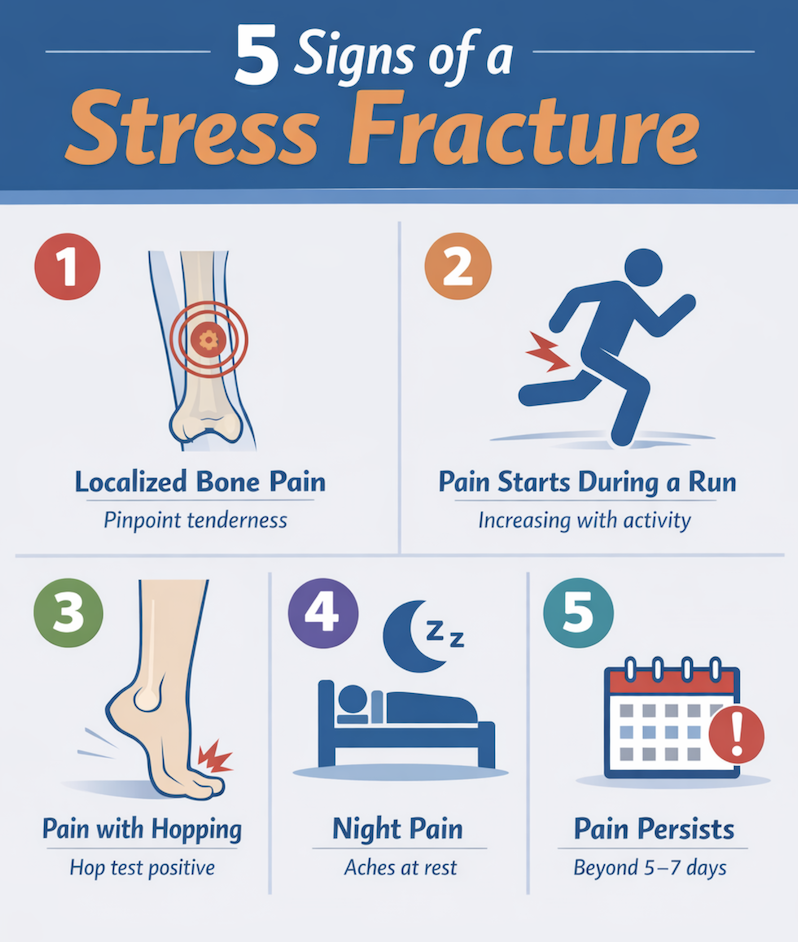
Early Warning Signs
Bone stress injuries rarely start dramatically. They build gradually.
Watch for:
Localised pain (you can pinpoint it precisely)
Pain that appears earlier in each run
Pain on single-leg hopping
Pain that persists after the run
Pain that begins to hurt during walking
Night pain (more concerning)
If pain is broad and diffuse, it may be shin splints. If it is sharp and focal, think bone.
Why They Increase During Marathon Training
Several risk factors stack up during London Marathon preparation:
1. Rapid Mileage Progression
Jumping from 15km to 25km long runs within weeks.
2. Hard Winter Surfaces
More pavement running, less terrain variation.
3. Inadequate Recovery
Busy professional schedules often compromise sleep and fuelling.
4. Low Energy Availability
Under-fuelling reduces bone turnover and resilience. This is particularly relevant in endurance athletes and female runners, but affects men too.
5. Lack of Strength Training
Bone responds to heavy load and varied force. Many marathon runners accumulate mileage but neglect progressive strength work.
Prevention: What Actually Works
Evidence supports:
Gradual mileage increases (avoid >10% weekly spikes)
Heavy calf raises (straight and bent knee)
Split squats and single-leg strength
Progressive plyometrics
Adequate carbohydrate intake around training
Sleep >7 hours per night
Bone health is influenced by both load and energy availability.
When to Stop Running
You should stop and seek assessment if:
Pain is focal and worsening
Walking becomes painful
Hopping is painful
Pain is deep in the groin
Continuing to train through a stress reaction often progresses it into a full stress fracture.
How We Help at Back to Back Osteopaths (SW18)
For runners in Earlsfield and Wandsworth training for London 2026, we assess:
Load management and weekly mileage
Strength capacity vs training demand
Running mechanics
Recovery strategies
Nutrition risk factors
Early intervention often means modifying training rather than stopping completely.
If you are preparing for London 2026 and experiencing persistent, localised pain — don’t ignore it.
A small problem in February can become a season-ending injury by April.
By James Dodd BSc (hons) Ost. FAFS.
GOsC registered
Why Longevity Matters – And Why It’s About More Than Living Longer
At Back to Back, when we talk about longevity, we mean something much more meaningful than simply adding years to your life. We’re talking about adding life to the years that you have. Healthspan rather than Lifespan.

Longevity is having a moment. From podcasts and books to gym conversations and health apps, everyone seems to be talking about how to live longer.
At Back to Back in Wandsworth, when we talk about longevity, we mean something much more meaningful than simply adding years to your life. We’re talking about adding life to the years that you have. Healthspan rather than Lifespan. We don't care about living until we are 100, the years you have need to be the best they can be. Helping you stay strong, capable and doing the things you love, for as long as possible.
We all know people who find walking or going up the stairs a challenge. Often just getting off the toilet can be hard, let along picking something off the floor that you have dropped. It should NOT be. We actually loose 10-15% of our muscle mass per decade after our mid thirties! We naturally get weaker……! You can stop this. To have a fulfilling and active last few decades, you NEED to stop this.
Stats also suggest that up to 50% of people over 70 live with pain most days!
A great question we often ask is 'What do you want to be able to do in the last decade of your life'? Go walking or hiking, lifting the odd suitcase or looking after grandchildren. Just be able to comfortably garden for a bit??
Being independent is about the ability to look after yourself.
Most people don’t realise this until something goes wrong. An ache that won’t settle. Strength that quietly slips away. A fall that knocks confidence. A period of stress or illness that suddenly highlights just how vulnerable the body can feel. Longevity is about getting ahead of those moments, not reacting to them.
The science is clear, if you are over 60 year old and you fall and break your hip, up to 30% of those people die within a year and of those that do survive, 50% NEVER get back to where they were.
If longevity had a hierarchy, strength sits up near the top. Stretching is mentioned somewhere, but nowhere near the top... it has more of a supporting role, yet in day to day life we put so much onus on stretching.
Cardiorespiratory (CV) fitness comes first because large studies show that low VO₂max is one of the strongest single predictors of all‑cause mortality, with bigger risk differences between low and high fitness than for most other modifiable factors. Muscular strength is also a powerful predictor, but the effect size is generally smaller than that seen with cardiorespiratory fitness, which is why strength is best viewed as the second key metric rather than the primary one.
The Body as a “Strength Bank”
We often describe longevity as similar to financial planning. You wouldn’t wait until retirement to start thinking about your pension. In the same way, you shouldn’t wait until pain, weakness or loss of mobility appear before investing in your physical health.
Your muscles, bones, balance and cardiovascular fitness are your strength bank—and the deposits you make today massively influence your quality of life later on. The earlier you start building it, the more resilience you have when challenges inevitably come.
Why Longevity Matters Now
Modern life makes it surprisingly easy to lose physical capacity without noticing. We sit more, move less and spend far less time doing the kind of varied, functional activity that keeps the body robust. Research shows that:
Grip strength is one of the strongest predictors of healthy ageing.
Balance declines much earlier than people realise—often from our 40s.
Muscle mass naturally drops 1%–3% per year after age 35 unless we actively maintain it.
Low activity levels significantly increase the risk of chronic pain, frailty and falls in later life.
But here’s the good news: these trends are not fixed. They are modifiable. And improvement is possible at any age.
Small Changes, Big Impact
Longevity isn’t about extreme diets or chasing the latest trend. It’s about consistent, achievable habits:
Moving more throughout the day
Building strength safely and progressively
Challenging balance regularly
Improving sleep and managing stress
Maintaining joint mobility
Understanding and working with your body, not against it
This is where osteopathy plays a vital role. Many people want to build strength and resilience but feel limited by pain, stiffness or fear of making things worse. Our role is to educate you, help you move better, recover faster and build the confidence to do the things that keep you well.
Proactive, Not Reactive
Most people come to us when something hurts. Longevity turns that approach on its head. It asks:
How can I stay strong enough that future injuries are less likely? How can I build a body that supports the life I want to live?
Thinking this way doesn’t just improve lifespan—it improves healthspan, the number of years you can live fully, independently and joyfully.
The Takeaway
Longevity isn’t reserved for athletes or biohackers. It’s for anyone who wants to stay active, keep up with children or grandchildren, walk without fear, travel freely and feel in control of their health. The actions you take now—no matter your age—have a profound impact on your future.
And you don’t have to do it alone.
At Back to Back, we’re here to guide you every step of the way.
By James Dodd BSc (hons) Ost. FAFS.
GOsC registered
Hot Stone Massage with Leanne Bowden
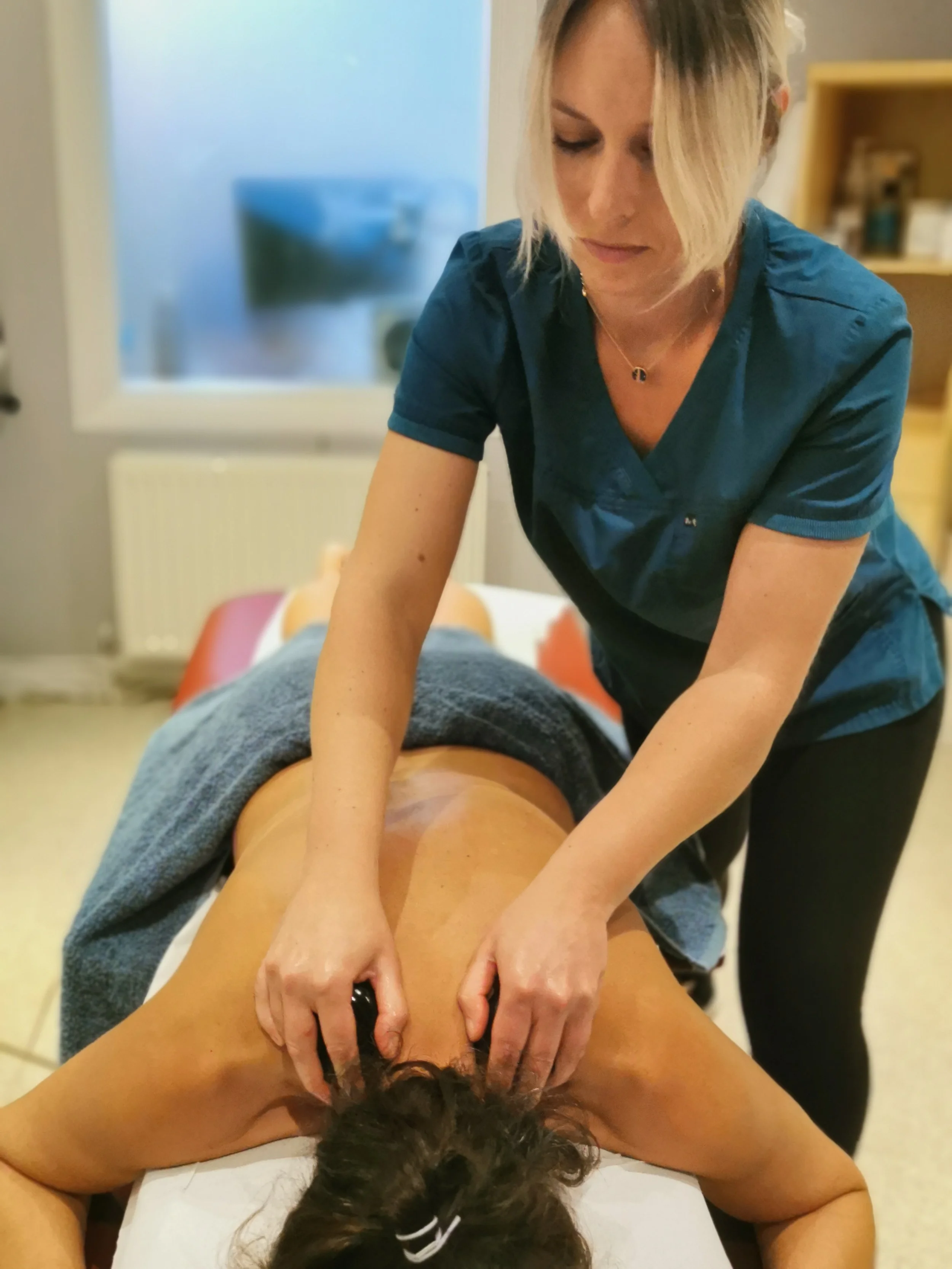
Keep warm this winter - try our hot stone therapy massage!
For a wonderfully soothing and powerful treatment this winter, try Leanne’s hot stone therapy massage. A thermotherapy treatment using heated basalt volcanic stones. Using a mix of flowing movements across the body with classic massage techniques to create the perfect blend of relaxation and reducing muscle tightness.
The heat encourages an increase in blood circulation deep into the muscle and is a great treatment to relax chronically tight muscles. If you struggle to find a treatment to relax particularly stubborn areas, usually in the upper back, shoulders and neck, then this is the treatment for you! It can be combined with deep tissue techniques if you require a firm massage or for those that prefer a light/medium pressure, the stones can be used alongside holistic massage techniques.
This is a really popular treatment at the clinic as it’s such a versatile and effective massage which is nurturing for both the body and mind. It has been particularly popular with clients affected by fibromyalgia, long covid and hypermobility.
Hot stone therapy can be incorporated into all of my massage treatments (except pregnancy), so just ask reception when you book in.
Leanne Bowden
ITEC Massage therapist & VTCT Reflexologist @ Back to Back
Book in by calling the clinic on 020 8605 2323


what is Osteoarthritis and Rheumatoid arthritis – isn’t all arthritis the same?
Arthritis is used as a general term to describe stiffness, pain, and inflammation in the joints but in truth there are many types of arthritis which produce differing symptoms. In this blog post we are going to focus on two types of arthritis - Osteoarthritis and Rheumatoid arthritis. They both affect joints in the body but in very different ways.
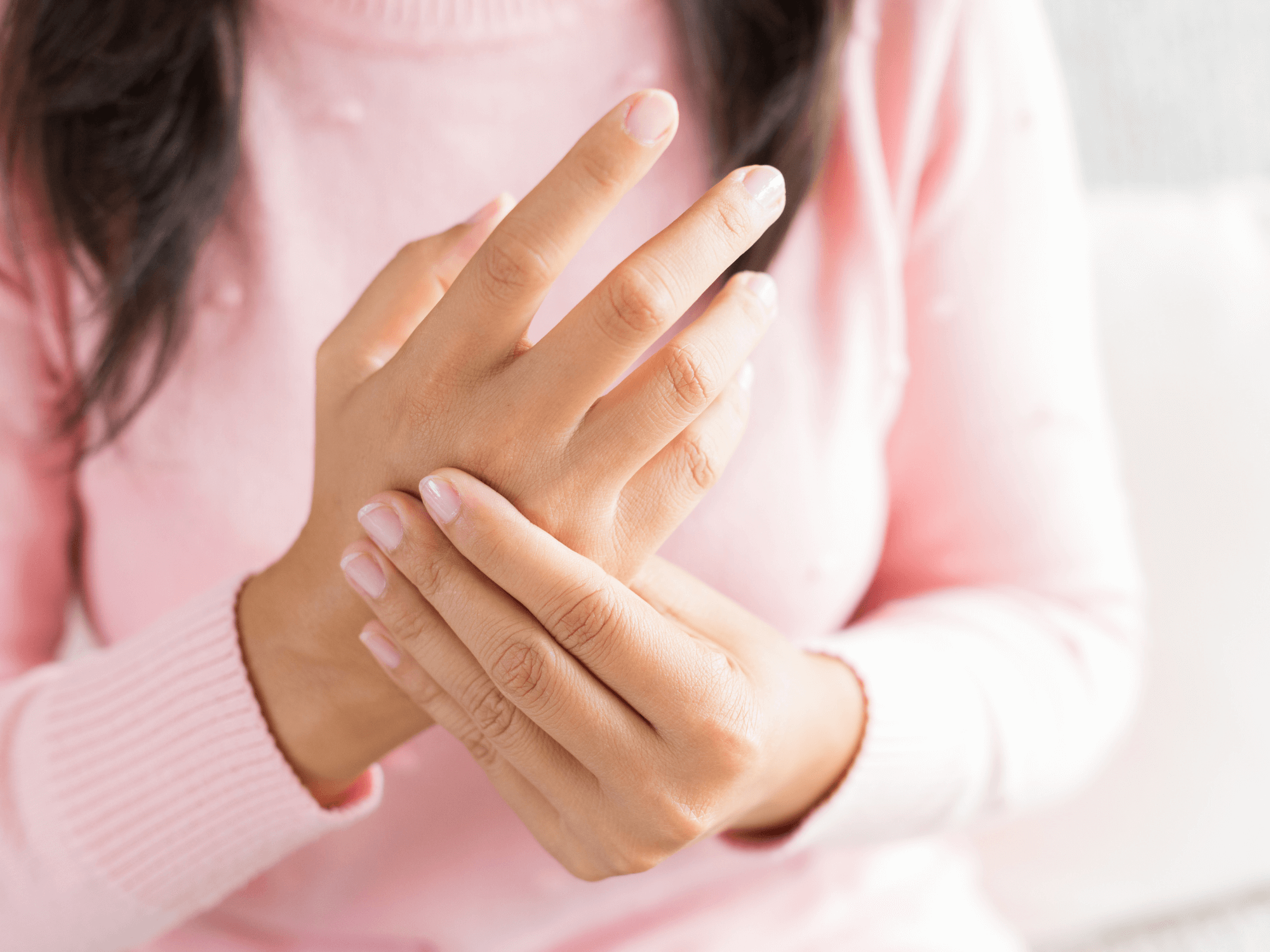
Arthritis is used as a general term to describe stiffness, pain, and inflammation in the joints but in truth there are many types of arthritis which produce differing symptoms.
In this blog post we are going to focus on two types of arthritis - Osteoarthritis and Rheumatoid arthritis. They both affect joints in the body but in very different ways.
Osteoarthritis (OA)
OA is a degenerative type of arthritis where joint cartilage breaks down over time causing stiffness, swelling and joint pain. This is the most common type of arthritis and usually affects larger weight bearing joints such as the hip, usually on one side of the body.
It is more common as we get older and after previous joint injury or surgery. Having a higher BMI, diabetes or previous gout attacks are also risk factors for OA.
The pain can feel worse with activity and better with rest and affected joints can produce pain at night.
The symptoms can take years to build as the arthritis develops slowly over time. As the OA progresses, bone spurs and subchondral cysts can develop on the joints which can be seen on MRI scans.
Rheumatoid arthritis (RA)
RA is an inflammatory type of arthritis caused by the body attacking its own tissues, producing inflammation. It is an auto-immune condition. It usually affects smaller joints such as the fingers and symptoms are usually symmetrical occurring on both sides of the body at the same time.
Symptoms can come on very quickly and can vary in intensity. Affected joints can feel very painful, stiff, and swollen and can get worse with rest and better with movement.
RA usually runs in families and is 2-3 times more common in women. As it is an inflammatory condition, blood markers for inflammation such as C-reactive protein (CRP) and erythrocyte sedimentation rate (ESR) are usually high, along with a positive Rheumatoid factor (RF).
Alongside the musculoskeletal symptoms, RA can cause symptoms in the rest of the body such as tiredness, high temperature, sweating and dry eyes.
Treatment
It is worth having a full assessment and getting an accurate diagnosis for your symptoms so you can find the best course of treatment for you.
For both OA and RA early detection can be helpful so treatments and advice can be introduced, hopefully reducing the risk of joint damage and overall impact of the condition.
In many cases, RA requires medication such as disease-modifying anti-rheumatoid drugs (DMARDs), steroids and other biological treatments.
Physical therapy such as Osteopathy can also help to treat the symptoms associated with arthritis. At the clinic we help people with various types of arthritis with treatment, advice and exercises all centred around the individual’s needs. If required, we can refer for testing and imaging but often this is not necessary.
If you’d like more information or think we could help you, please contact us today.
By Stephanie Gammell. M.Ost. General Osteopathic Council Registered

Suffering with sleep issues since the pandemic?
The dictionary must be filling up with Covid-19 related terms by now. Yet another to add to the list is ‘Coronasomnia’ - insomnia caused by the pandemic.

The dictionary must be filling up with Covid-19 related terms by now. Yet another to add to the list is ‘Coronasomnia’ - insomnia caused by the pandemic. Many are coming to Reflexologist, Leanne with this issue and the causes vary.
She has found that majority of her clients report of one or more of the following since the pandemic began:
Increase in screen time
Lack of movement
Working from home
Decreased daylight
Increased alcohol/processed food consumption
Depression and anxiety
Isolation/uncertainty/fear
Do any of the above relate to you? If so, some may be improved with small changes.
Take a walk around the block at lunchtime, a phone call outside, implement alcohol/junk food free days into your week and do some lunges around the kitchen while waiting for the kettle to boil!
Many people use reflexology for insomnia and sleep issues and find it can have a great effect on relaxing the body and mind. It can help your body to rebalance your systems and decrease stress, which in turn can have a lasting effect on your sleep patterns. By focusing on the adrenal glands, which are a key reflexology point when treating someone with insomnia, they can cope better with life situations and not use adrenaline so much to get through the day.
Contact us today to book an appointment with Leanne.
- Leanne Bowden, VTCT Reflexologist

Reflexology and Pregnancy
Leanne frequently treats women in the last few weeks of their third trimester. At this stage they are often uncomfortable, struggling to sleep, sluggish bowel, acid reflux and swollen ankles, desperate to get this baby out!

I frequently treat women in the last few weeks of their third trimester. At this stage they are often uncomfortable, struggling to sleep, sluggish bowel, acid reflux and swollen ankles, desperate to get this baby out!
How can reflexology help? The symptoms mentioned above, to name but a few, can often be reduced. Muscles will relax, making the body more comfortable, which can aid easier movement and better sleep. The bowel and digestive system is stimulated and detoxification is encouraged through this pathway, helping to regulate bowel movements. The pressure points and massage techniques used will aid the circulatory and lymphatic system, which will help the body process and relieve the fluid around the ankles.
Can reflexology bring on labour? Many women say it does. The treatment helps to prepare your body's systems and improve function so they are working as well as they possibly can to support you during labour. However, the treatment will not encourage your body to do anything it’s not ready for. Because reflexology is deeply relaxing it will put you at ease, helping your body to calmly respond and engage with the birth of your baby.
If you would like to book in for a reflexology treatment, please contact us today.
Blog post by Leanne Bowden, VTCT Reflexologist
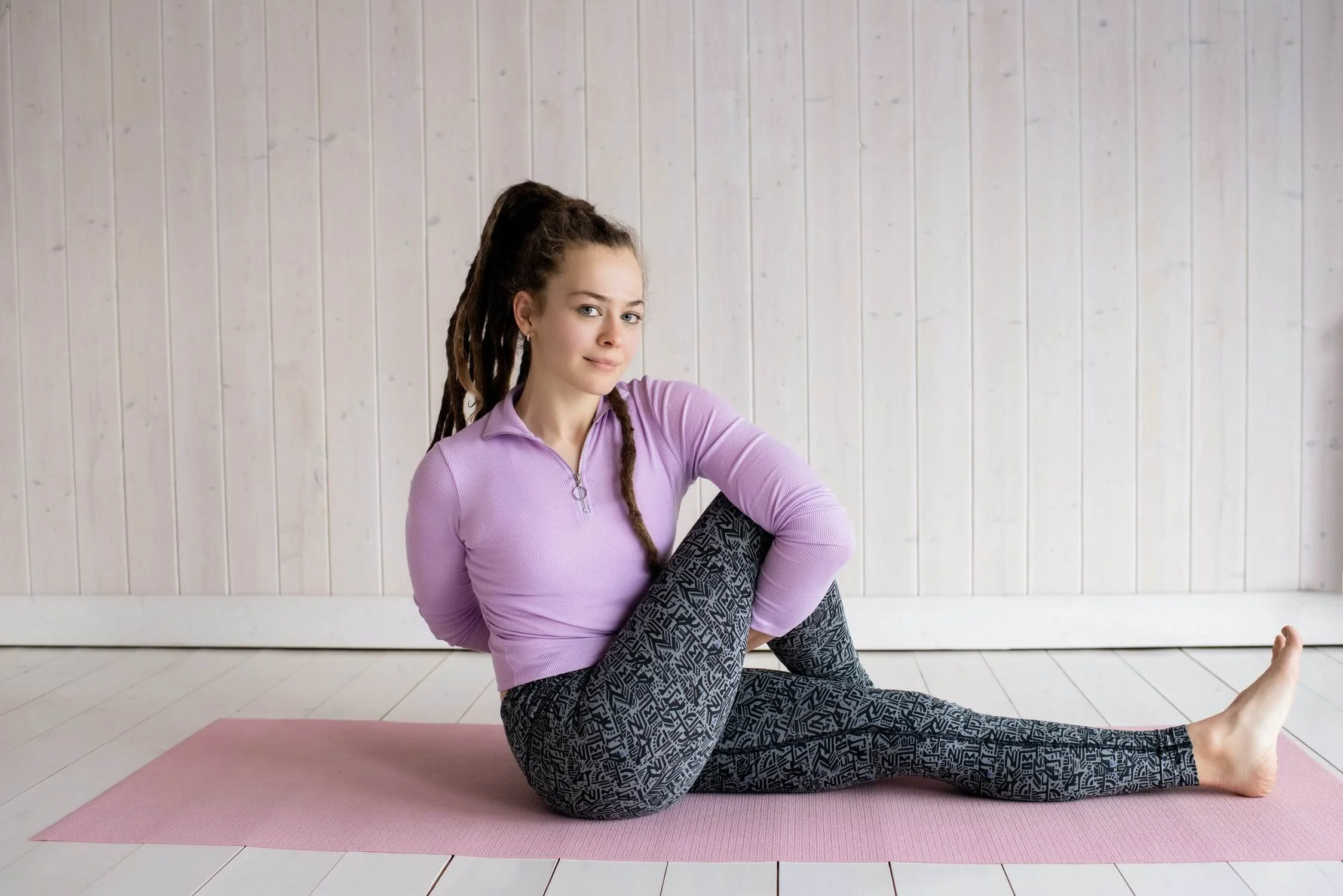
Hypermobility Spectrum Disorder and Ehlers-Danlos Syndrome
Hypermobility is often a general term given to those whose bodies are able to move and stretch more than is considered for the normal range of motion. In this blog I will mainly talk about the musculoskeletal (MsK) presentations of this disorder. You can get this at a local joint level or more generalised global joint level. Further reading can be from the EDS society.
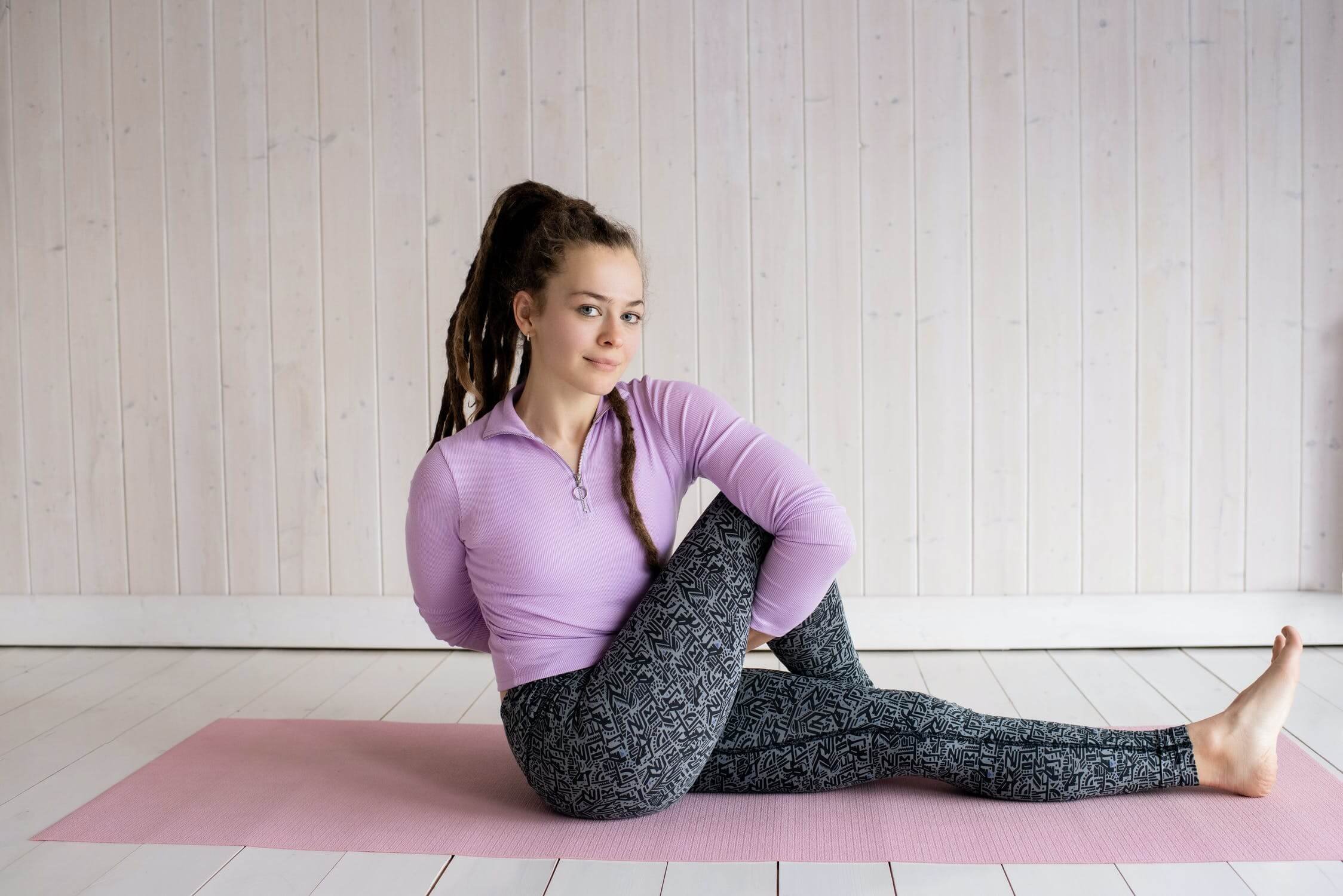
Hypermobility is often a general term given to those whose bodies are able to move and stretch more than is considered for the normal range of motion. In this blog I will mainly talk about the musculoskeletal (MsK) presentations of this disorder. You can get this at a local joint level or more generalised global joint level. Further reading can be from the EDS society.
Over the years in the UK, specialists like Rodney Grahame started to make the suggestion that for some, being hypermobile, could be a problem. He and his team noted there seemed to be a link between flexible or very flexible people and pain. He felt that it was often overlooked and that so much of the time these patients were being misdiagnosed and so mismanaged.
In the earlier days of diagnoses, Hypermobility Syndrome (HMS) was the name given to patients whose joints moved outside their normal range and also had pain. Diagnostic criteria such as the Beighton and Brighton scores were used. HMS was also called Hypermobility Type 3, which was part of the larger syndrome of connective tissue disorders called Ehlers-Danlos Syndrome or EDS.
Over time and with increased awareness, further understanding and renewed research, the original diagnostic thoughts are still used, with the additional of new criteria. The diagnosis given to patients has also changed and been broken down to more specific Hypermobility Spectrum Disorder (HDS) or Hypermobile EDS (hEDS). There are differences to each of these…
The main differences between HDS and hEDS are beyond the need for this paper and the differences need to be thoroughly looked at by a doctor/osteopath/physiotherapist/chiropractor with an interest in this area before a complete diagnosis is given. Having the correct diagnosis and treatment plan is more important that giving patients labels.
In a nutshell, and from a MsK point of view, both HSD and hEDS can make tissues more vulnerable to overstrain and injury. It can be painful, extremely frustrating and lead to fear and anxiety. I also think it is important to add here that pain is so much more complex than we used to think and it is not just a measure of increased pain equals more tissue damage.
Diagnosis
The diagnosis of HDS/EDS needs to be from a medical doctor or a qualified practitioner such as a registered osteopath, physiotherapist or chiropractor with a specialist interest.
A thorough case history, family history and examination needs to be completed to get a full understanding as to why the patient is suffering and to make a comprehensive diagnosis. The list of signs and symptoms linked to HSD/hEDS can be extensive.
A look at the conditions
For some with HSD or hEDS the symptoms could be at all levels of the spectrum from the very mild to more severe and/or all levels in-between.
A list of signs and symptoms could be long and could be widespread, but it covers chronic muscle, tendon, ligament or joint pain. This pain is often (although not always) relieved by rest. Ankles that sprain easily, clicky joints, a jaw that clicks. It may have been an incident (such as an ankle sprain) that his triggered a set of symptoms. Patients with HDS/hEDS are often clumsy, may get foggy thought patterns and fatigue more easily that others. Other symptoms that can coexist are palpitations, abomination concerns, anxiety, POTS (postural orthostatic tactical syndrome) or mast cell activation syndrome (MCAS).
Osteopathic TT for treatment for the severe HSD/hEDS patient ideally needs a team of like minded practitioners that address the needs of the patient.
From my point of view, Msk treatments need to be aimed at giving some pain relief and giving the patient strategies to manage their pain and movement patterns. I tend to avoid giving patients stretching to do as I feel that this could lead to more instability going forwards. This can lead to more chronic muscle tightness and pain as the body tries to protect itself by creating more tightness to stabilise itself.
I feel that osteopathy is great at providing relief for pain using gentle treatments and manipulation and some acupuncture. The more this is layered in with a gradual and progressive exercise programme to increase the patients capacity the better.
HDS/hEDS patients are a tough population to work with as there can be many bumps in the road of the journey. Just as they feel better, something else can start to become aggrieved. So, it is for this reason, that I feel that education for the patients is so key. For them to understand that pain is not always dangerous, it is just a message that is important. They need to be treated as a whole. They also need to also be aware of how vulnerable their bodies can be to changes that try to occur over and above the rate at which their body can adapt. Bodies can and do adapt. Those with HSD or hEDS can take longer to gain more capacity and resilience.
As our bodies gain greater capacity, they are able to deal with more. That is what strength and control is all about. Stretching does not give you greater ability to lift things in the garden or to bend to lift your child off the floor. Strength does!
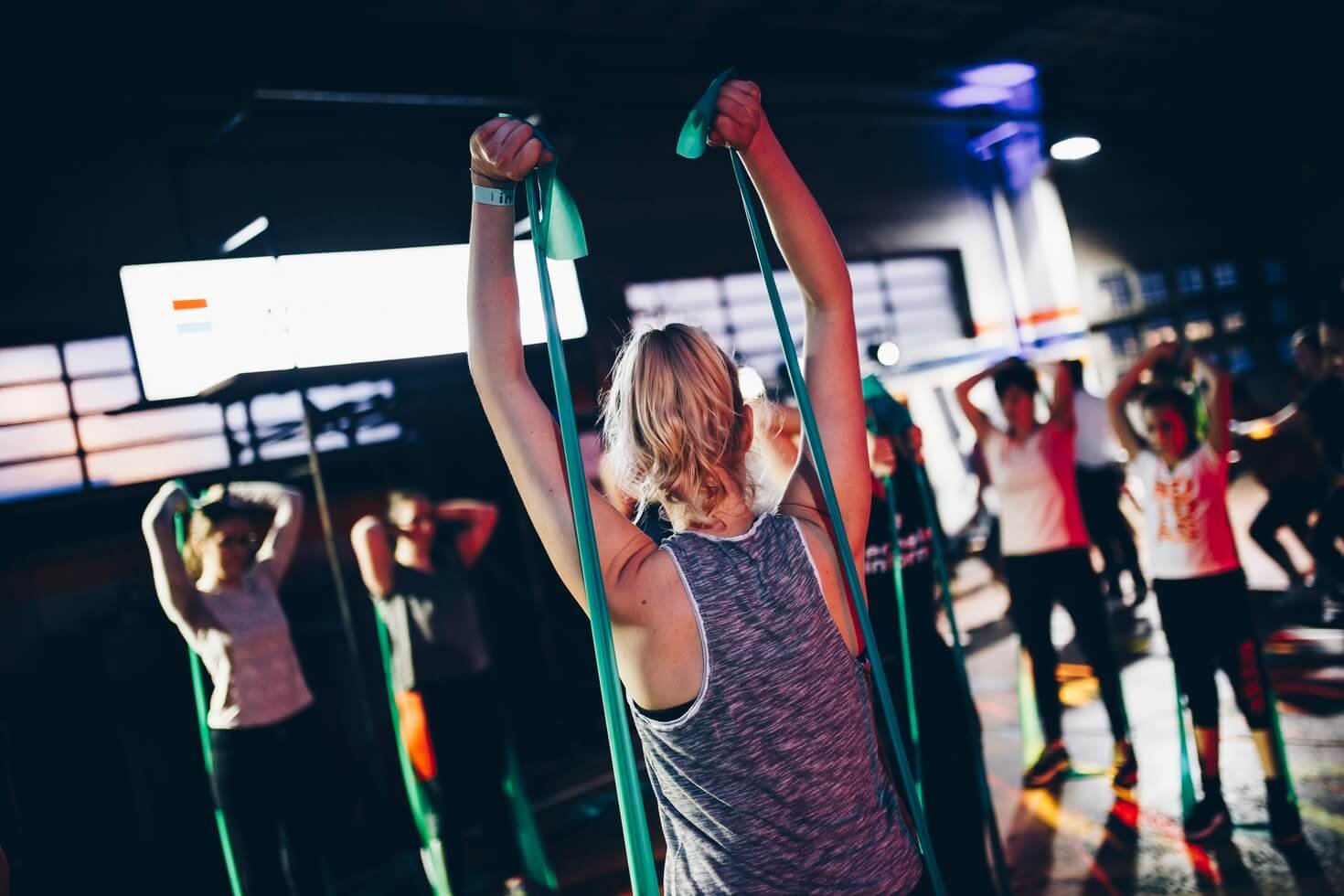
From a movement point of view, aiming for efficiency and balance is useful so that one part of ones body is not talking all the hit for something else that is not working. Gait assessment can be useful to see what part of the patients gait makes the rest of their system struggle.
I often use the expression that I want people to have ‘reactive bodes’. What I mean by this is your bodies move and your muscles react to the movement. This sort of goes away from the ‘bracing’ model (unless you are picking 100kgs off the floor!!), which I am not sure I agree with.
By bracing or ‘pre-tensioning’ our body, it does not allow our body to move as it should and it isolates certain areas. Our bodies are amazingly integrated. When we move, no muscle EVER works by itself and so I am not sure how useful it is to isolate muscles when we exercise.
If you use a ‘Clam’ exercise as an example. This is when we lie on our side and lift the top leg up and down to ‘isolate’ and work your gluteus medius muscle. First of all, this muscle NEVER, ever works by itself when we move. But also, depending on your size and weight, the weight of your leg is not even close to what is needed to walk, run and squat etc. This muscle works as part of a ‘team’ of muscles and so are all best served working together as this is what happens when we move.
Having HDS/hEDS can certainly put challenges in front of you. There can be a few or many bumps along the road. But it does not mean that you cannot have a full life. As with many medical problems having a good mindset, a thorough understanding and having good capacity in your body all just helps. It is also ok to be frustrated with your body at times. Having a great bunch of people around you too massively helps.
Blog post by James Dodd BSc (hons) Ost. FAFS. Registered with the GOsC

Suffering from long covid? Try Reflexology to support your recovery and ease symptoms
Reflexology is a pressure point therapy applied through the feet and helps to support the body’s systems and organs by stimulating the central nervous system. I have been treating many people through their long covid journey’s and most have experienced an improvement in brain fog, sleep quality and anxiety levels have decreased after treatment.
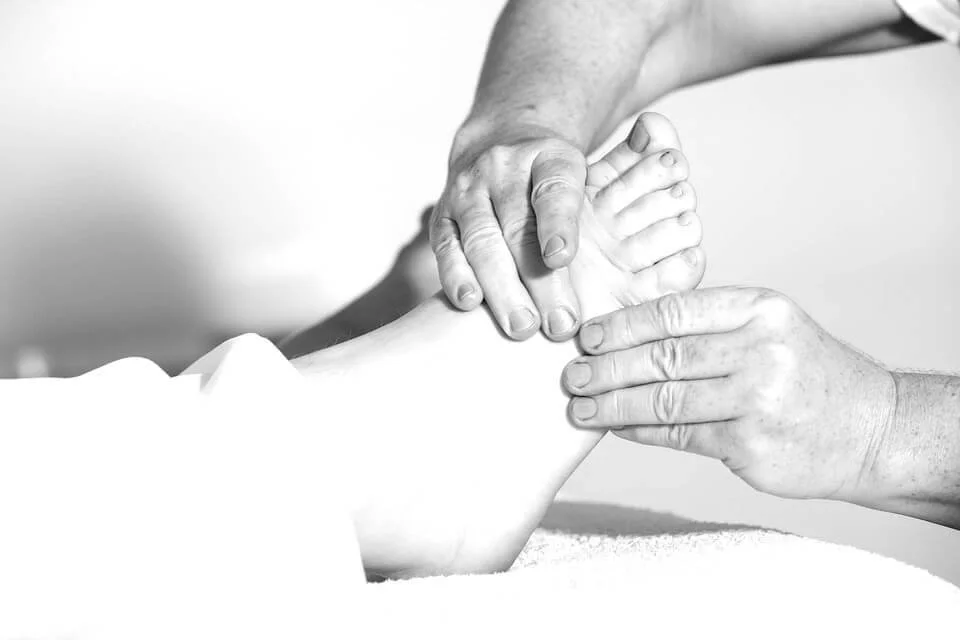
What is long covid?
Since the pandemic began we have seen many sufferers of long covid struggling physically and mentally. A term coined by patients themselves, long covid describes the symptoms that continue or develop after the acute infection has passed, usually after 4 weeks of initial infection. The main long covid symptoms I have seen in my clients are fatigue, brain fog, breathlessness/tightness in chest, sleep issues, depression and anxiety.
As research is infant and ongoing there is a lot of uncertainty around how long these symptoms could last, some ranging from weeks/months/years to potentially lifelong. This is causing a lot of anxiety among those that are suffering with long covid symptoms as they are unsure how long it will last.
What is reflexology and how can it help?
Reflexology is a pressure point therapy applied through the feet and helps to support the body’s systems and organs by stimulating the central nervous system. Reflexology is used to promote healing and toxin release as well as deep relaxation for the body and mind, which all help to support the recovery process. Leanne has been treating many people through their long covid journey’s and most have experienced an improvement in brain fog, sleep quality and anxiety levels have decreased after treatment. It’s been a really tough couple of years and giving yourself time to rest and recover is crucial.
Book your appointment today
Leanne is our resident Reflexologist and is based at Back to Back on Mondays and Thursdays. If you would like to discuss your symptoms and try reflexology to support you through your recovery please call us on 020 8605 2323 or contact us via our contact page.
References:
Blog post by Leanne Bowden

The importance of sleep and a good mattress
Those that know me, know that I think the top 3 things (other than the building you live in) that you should spend money on is a great bed, amazing shoes and eyewear - gotta look after those eyes!. All are important things for our comfort and health. Have you ever acknowledged how you feel if your feet are uncomfortable or you sleep quality is poor? Your stress levels go up! A wonderful bed ideally should come high on your list.

Sleep ?
What is good sleep?
“a condition of body and mind that typically occurs for several hours every night, in which the nervous system is relatively inactive, the eyes closed, the postural muscles relaxed, and consciousness is practically suspended”.
As far as I am concerned, sleep is supposed to be a wonderful experience in a place where your body is able to relax and your ‘contours’ are looked after and supported. A great bed ‘has got you!’
Those that know me, know that I think the top 3 things (other than the building you live in) that you should spend money on is a great bed, amazing shoes and eyewear - gotta look after those eyes!. All are important things for our comfort and health. Have you ever acknowledged how you feel if your feet are uncomfortable or you sleep quality is poor? Your stress levels go up! A wonderful bed ideally should come high on your list.
There are many sleep statistics, but on average, the average person spends around 26 years of THEIR life sleeping. That is about a third of our lives!! Flip……!! And ……the average person also spends 7 years trying to drop off to sleep!!! Yikes. A major factor that will determine how well you sleep will be your comfort. If you are unable to get comfortable in your bed, the quality of your sleep will be poor and you may wake throughout the night. This doesn’t adhere to the definition of consciousness suspended. YOU know when you don’t sleep well.
Many patients we see at the clinic have mattresses that are VERY old, and many will just be unsupportive and sagging in the wrong places. An old mattress will also not be hygienic.
January sales will be upon us very soon. They may even start before Christmas!! Mattresses and beds can have various offers throughout the year… not just in January. So if you look at your bed and feel that it is actually about time to change it, be armed with as much information as you can be to make your purchase a success. It is also good to be aware of the return policies and T&Cs if you get your new purchase home and you are not happy. Some companies will only offer an exchange rather than return your money. So beware.
I actually think it is pretty tough to tell anyone what bed would be right for them for many reasons. They may have a partner of different size and weight. The may run ‘hot’ at night and so need a bed with more ventilation. They may have pets sleeping with them or children who join them at night. They may just just prefer a harder of softer bed. Ideally, I think you should be able to try the bed/mattress before you take the plunge. If you do buy online, make sure you can get a full refund if you don’t like it. And that you are not slapped with high costs if you need to return it.
‘Which?’ magazine has recently done another one of their great ‘test labs’ for mattresses. These reviews have been a great resource for many for nearly 50 years and they put each mattress tested through a battery of tests, looking at body support including how well it will look after you in each of the different ways many of us sleep. They test the durability of each one and they don’t just look at the expensive mattresses. What a great resource!!!
I am unable to give you all of their results. But the ones that come top of their reviews are:
Eve - The Original Hybrid
Emma-Premium
Emma - Start Hybrid
Memory Foam Warehouse - Coolmax Hybrid
Otty - Hybrid Mattress
And even Ikea Hamarvik came 6th in the list.
Interestingly , they do have a few VERY expensive ones in their tests and while they are good mattresses, they do not score near the top of their reviews.
Note that ALL of them (other than Ikea’s) are ‘hybrids’, meaning that they have a mix of foam and pocket springs. Having some sort of ’springs’ in the mattress does make it easier to turn. Don’t fall for promises of great memory foam that is cheap. In my opinion, cheap memory foam breaks down pretty quickly, leaving you with problems.
So… if you feel that you may need a change of bed or mattress, go to a good bed shop and lie on loads of different beds. Be prepared to spend a bit of time to get a feel for different beds. If you are buying just a new mattress, make sure you try the mattress on the same type of bed base that you already have at home.
If you have pain at night that is not going away or in-fact, getting worse maybe sure you see a health professional to determine WHY are in pain at night. Don’t just leave it.
This is also a useful link on How to Choose a Mattress from The Sleep Foundation.
We have an amazing team of Osteopaths and we also have a great massage therapist and reflexologist.
Call us on 020 8605 2323 if we can help.
Blog post by James Dodd

The Do’s and Don’ts of Tendinopathy
Traditionally tendon pain has been given the name Tendinitis. Tendinitis implies that there is an inflammatory reaction to a certain tendon. This diagnosis has recently been argued due to further research; firstly, there is a physical lack of inflammation seen around tendons when a change in exercise or daily habits occur.

Traditionally tendon pain has been given the name Tendinitis. Tendinitis implies that there is an inflammatory reaction to a certain tendon. This diagnosis has recently been argued due to further research; firstly, there is a physical lack of inflammation seen around tendons when a change in exercise or daily habits occur. Secondly, when prescribing patients with Nonsteroidal Anti-inflammatory Medication (NSAIDS) to reduce inflammation, this has seen little improvement with tendon pain. In light of this, the new term ‘Tendinopathy’ was established for medical professionals to use to describe the variety of painful conditions from tendons.
Types of Tendinopathy:
Achilles (ankle) Tendinopathy
Patella (knee) Tendinopathy
Bicep (shoulder) Tendinopathy
Causes of Tendinopathy
The most typical cause of Tendinopathy is a sudden change in exercise habits. During the recent pandemic, we have seen this problem a lot at the clinic as patients have had more time on their hands to start working out again or to try something completely new.
To suddenly start to exercise, such as a long walk or run, will cause a change in tendon load. This creates stress to the tendons and muscles. Another way of stressing tendons, is attempting to pick up your previous level of fitness after having deconditioned over time. Due to the irregularity of working out or the start of a new routine, this will impact on the tendons functionality and strength. Our tendons need time to adapt to new situations and increased or sudden loads.
What you can do for Tendinopathy:
Identify what you need to achieve.
Look at specific biomechanics of that task. Make sure there are no other body restrictions.
Create a progressive loading programme.
Stay consistent with it - tendons need daily stimulus to load!
Be patient, tendons can be slow to progress.
What you don’t do for Tendinopathy:
Don’t neglect your tendon.
Don’t rest for days or weeks on end.
Don’t rely on orthotics for Achilles Tendinopathy

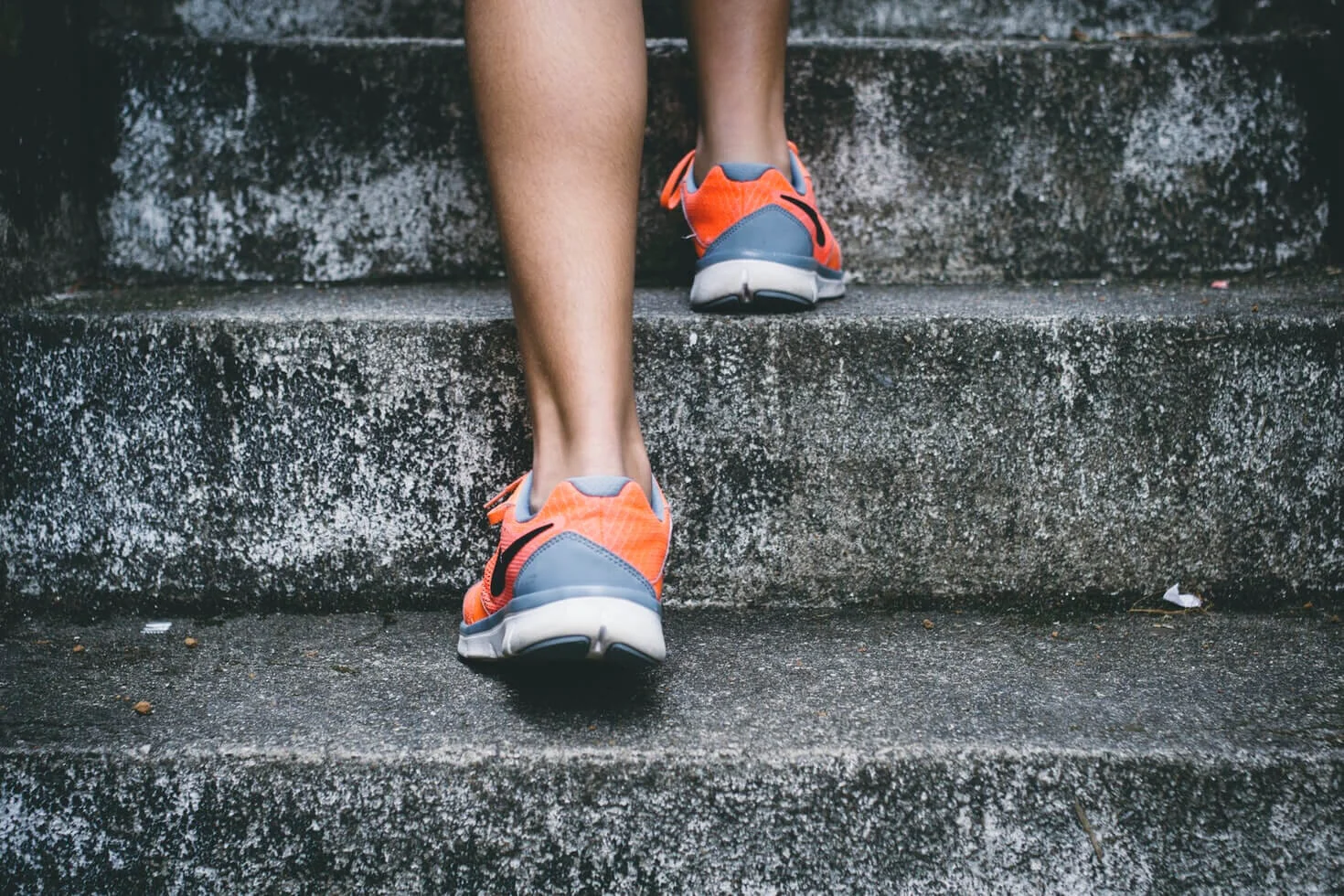
Bone Stress Injury
A bone stress injury (BSI) is due to a bone’s inability to cope with repetitive mechanical loading.
This results in structural fatigue with localised bone pain and tenderness.
Essentially, BSI is an overuse injury and is normally multifactorial with a combination of biological, biomechanics and anatomical risk factors.

A bone stress injury (BSI) is due to a bone’s inability to cope with repetitive mechanical loading.
This results in structural fatigue with localised bone pain and tenderness.
Essentially, BSI is an overuse injury and is normally multifactorial with a combination of biological, biomechanics and anatomical risk factors.
Lower limb stress factors are much more common than upper limb stress factors. Tibial stress fractures account for approximately half of all stress fractures, followed by the forefoot and then femoral shaft and neck.
It can be broken down into extrinsic and intrinsic factors:
Extrinsic factors:
Training errors
Excessive volume
Excessive intensity
Sudden change in intensity
Poor recovery
Excessive fatigue
Surface
Hard/soft/cambered
Shoes
Poor shoes/worn shoes
Equipment
Inappropriate kit
Poor nutrition
Psychological factors
Environmental conditions
Intrinsic factors:
Training errors
Pes planus/cavus
Hip anteversion
Leg length
Muscle weakness/imbalance
Lack of flexibility
Genetic factors
Endocrine factors
Metabolic factors
RED’s
Previous bone stress
Smoking
Family history
The management of BSI begins with off-loading the affected bone to reduce pain and assist healing. A holistic overview is taken to improve general wellness including sleep and nutrition. This is complemented with a gradual loading programme with physical therapy.
Rapid and clear diagnosis is essential in preventing the propagation of the fracture.
To assess the history of the BSI we will need to know:
The type of impact sport/physical activity you’ve been doing
Any changes in intensity, frequency, time, environment
Changes in the recovery
Any female REDs (relative energy deficiency)
Your general nutrition
Where the pain is, especially when loading, e.g. for a lower limb we’d look at where the pain is when running or hopping
The point you feel the pain will help decipher how long you have been suffering with that stress fracture. Early stress fractures often give pain towards the end of an activity, whereas with more well established BSI, pain comes on earlier on, or even at rest. It can also be more intense and linger for longer in more established BSI.
Examination
To examine a BSI we would look at a number of things, focal tenderness and swelling on palpation, percussion may reproduce the pain. We would look to run a tuning fork test and a fulcrum test. For lower limbs we’d look to see if you can stand on one leg and see if you can hop on the affected leg.
Imaging
Often an x-ray will suffice to view a stress fracture, although it can take 2-4 weeks for it to show on x-ray and sometimes cannot be seen at all. If it cannot be seen we can use a bone scan - the downsides of this is they are time-consuming and involve an injection and exposure to radiation. An MRI is sensitive and specific for BSI, it gives a very accurate correlation to the picture. It can be costly though.
Management for BSI
Offload/stop participating in activity, especially high impact exercise
Maintain fitness levels through cross training - swimming, cycling, pool running
Consider immobilising your injury - e.g. using a brace
See an Osteopath who can work with you to gradually strengthen and improve flexibility
Address any dietary needs
Ca and Vitamin D supplements will help improve any bone issues and deficiencies
Look at hormonal balance for those who may suffer from a hormonal dysfunction
Address REDs if necessary
If you are concerned about an injury, BSI or other, please give us a call today on 020 8605 2323.
Blog post by James Dodd
Chronic Heel Pain; Is it Baxter’s Nerve Entrapment?
Sufferers of chronic heel pain often are often diagnosed with Plantar fasciitis, however not all cases of heel pain are due to this. Other causes include nerve trapping, joint inflammation, stress fracture and Baxter’s nerve entrapment. In fact, Baxter’s nerve entrapment can cause up to 20% of cases of chronic heel pain.


Do you suffer from Chronic Heel Pain?
Sufferers of chronic heel pain often are often diagnosed with Plantar fasciitis, however not all cases of heel pain are due to this. Other causes include nerve trapping, joint inflammation, stress fracture and Baxter’s nerve entrapment. In fact, Baxter’s nerve entrapment can cause up to 20% of cases of chronic heel pain.
So, what is Baxter’s nerve?
Baxter’s nerve is a tiny nerve coming from the larger plantar nerve on the inside of the ankle. It supplies the small muscles of the foot and sensation to the heel. When the nerve becomes impinged it causes a sharp, burning pain, often associated with pins and needles and numbness and pins around the heel.
What causes Baxter’s nerve entrapment?
Baxter’s nerve entrapment can occur after injuring your ankle or heel, but more commonly, it develops slowly, without injury. It is unclear how it happens but there are theories that the nerve might become trapped from pressure, due to reduced movement of the ankle joint, flattened feet, and/or a pressure from a heel spur or plantar fasciitis. It can happen to anyone and doesn’t appear to be gender or age specific.
What are the symptoms and diagnosis
Symptoms often include:
Pain when you touch the inside of the heel
A sharp/burning pain around the inside aspect of the heel
Pain when walking and placing your foot on the floor after a period of rest
Some people may suffer from pins and needles around the inner aspect of under the heel. Especially when the nerve is knocked or trapped.
Although Baxter’s nerve entrapment presents very similarly to plantar fasciitis, there is a subtle difference in where the pain is felt and some of the symptoms. Baxter’s nerve entrapment is felt on the heel and the medial arch of the foot, whereas Plantar fasciitis is more concentrated just on the heel. As noted above Baxter’s nerve entrapment can also include a sensation of numbness or pins and needles.
Imaging such as ultrasound or MRI can help with diagnosis. You might see thickening of the small Baxter’s nerve on the inside of the heel, or if your scan appears normal this increases suspicion of nerve trapping as the cause of pain. In severe cases, nerve trapping can cause shrinking of the muscles on the outside of the foot which will be seen on MRI.
What is the treatment of Baxter’s nerve entrapment?
Often, we would start with simple, gentle treatments, such as taping and orthotics (inner soles for your shoes), stretching and foot strengthening. We would give an individual strengthening routine and specific stretches to work on at home. Sometimes an injection of cortisone can be helpful, this would be done with ultrasound to ensure we target the correct site of Baxter’s nerve trapping. Finally, in some cases, surgery to release the Baxter’s entrapment might be needed.
If you are suffering from any form of heel pain, get in touch with the team today and see what we can do to help you.
Blog post by James Dodd