Back to Back Blog
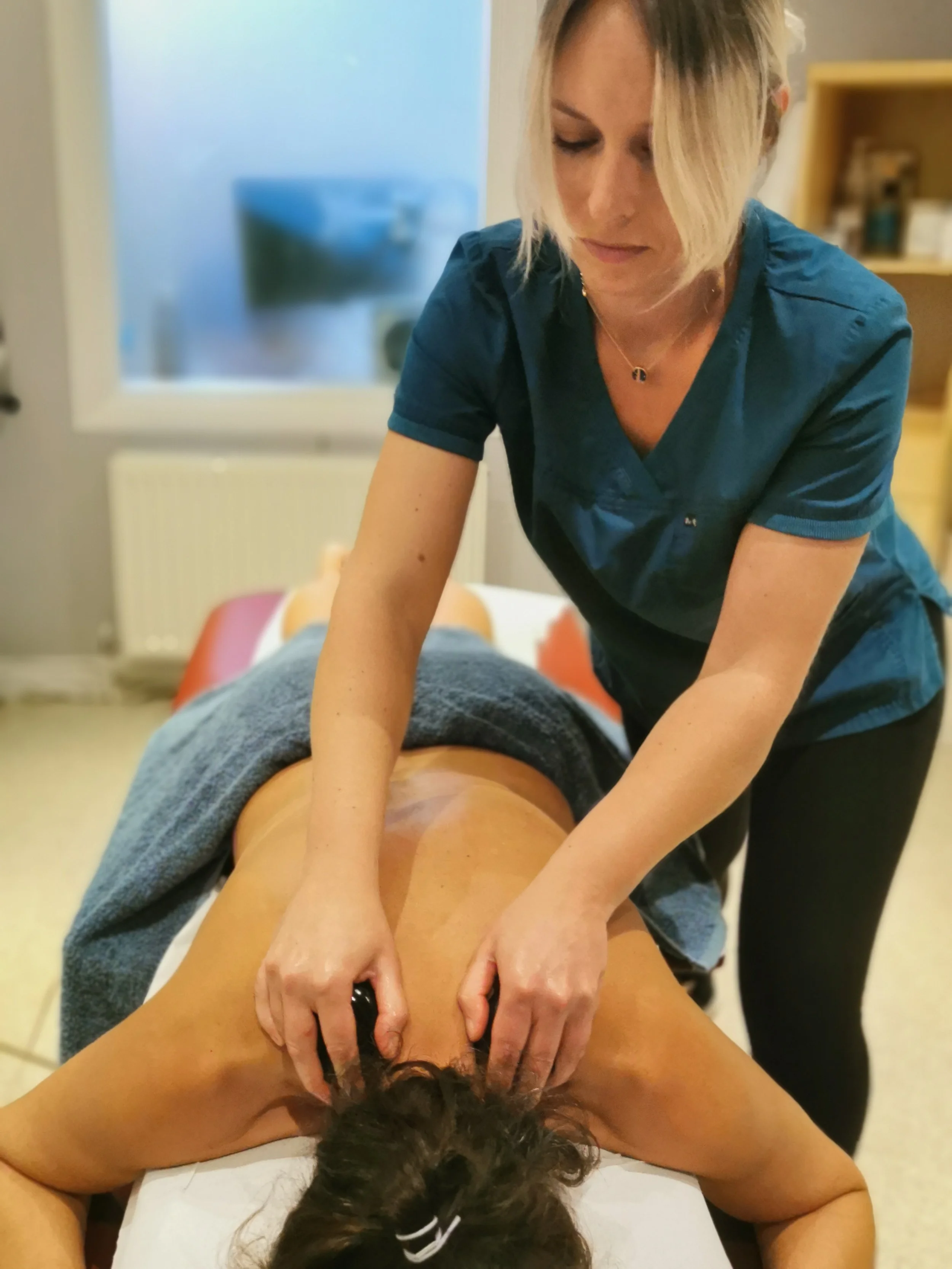
Hot Stone Massage with Leanne Bowden
Keep warm this winter - try our hot stone therapy massage!
For a wonderfully soothing and powerful treatment this winter, try Leanne’s hot stone therapy massage. A thermotherapy treatment using heated basalt volcanic stones. Using a mix of flowing movements across the body with classic massage techniques to create the perfect blend of relaxation and reducing muscle tightness.
The heat encourages an increase in blood circulation deep into the muscle and is a great treatment to relax chronically tight muscles. If you struggle to find a treatment to relax particularly stubborn areas, usually in the upper back, shoulders and neck, then this is the treatment for you! It can be combined with deep tissue techniques if you require a firm massage or for those that prefer a light/medium pressure, the stones can be used alongside holistic massage techniques.
This is a really popular treatment at the clinic as it’s such a versatile and effective massage which is nurturing for both the body and mind. It has been particularly popular with clients affected by fibromyalgia, long covid and hypermobility.
Hot stone therapy can be incorporated into all of my massage treatments (except pregnancy), so just ask reception when you book in.
Leanne Bowden
ITEC Massage therapist & VTCT Reflexologist @ Back to Back
Book in by calling the clinic on 020 8605 2323


Telehealth /Videolink consultations at Back to Back
Telehealth is the delivery of rehabilitation services through online video and phone technology. It does not entirely replace in-person care, but allows osteopaths to provide virtual assessments, coaching and supervision, and prescribe at-home treatment plans to keep your recovery moving forward.
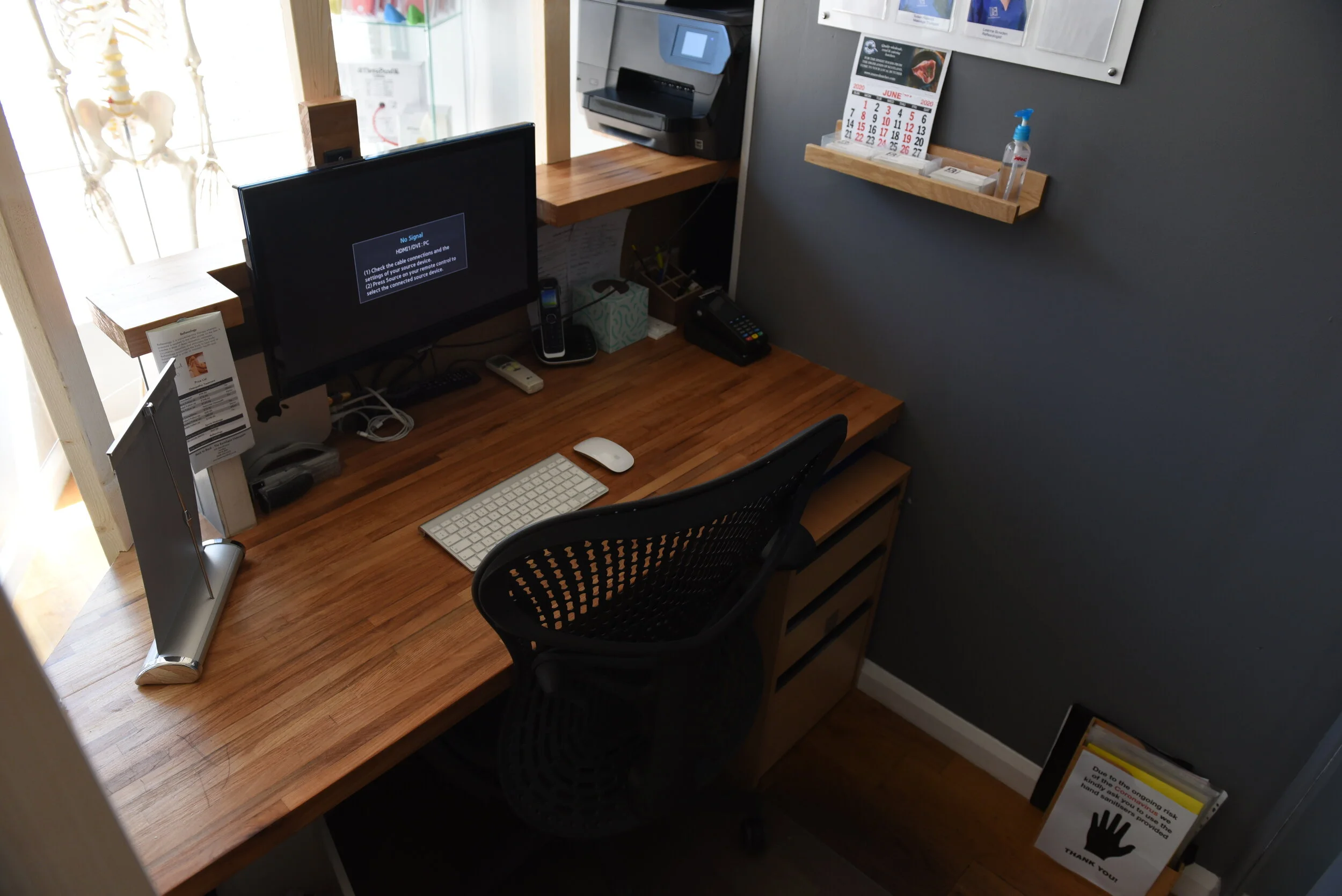
Don’t despair if you are in pain or need advice! #Telehealth is here!!!
What is Telehealth?
Telehealth is the delivery of rehabilitation services through online video and phone technology. It does not entirely replace in-person care, but allows osteopaths to provide virtual assessments, coaching and supervision, and prescribe at-home treatment plans to keep your recovery moving forward.
This could be to:
• Diagnose and manage acute injuries
• Continue and progress your home exercise programme
• Discuss changes to your symptoms
• Just for some help and advice
Many people will be thinking ‘What can they do from a Telehealth video call’? Each session includes a detailed case history, virtual examination, diagnosis and a custom rehabilitation plan.
Research is already suggesting really good outcomes from this kind of intervention.
Another really great advantage of Telehealth consults is that we are ‘Functional Osteopaths’, so that we can take you though a really good examination and start to give you some movements and exercises straight away.
It is also a great way to enable us to diagnostically rule out any concerns that we may have and if you do need further investigations, we are able to sort this out for you.
What you need:
• Access to of the following devices:
• A computer/Laptop with camera and microphone
• A tablet or Apple or Android smart phone
• Access to an internet connection.
• An adequate quiet space, cleared to perform some movements and exercises during the appointment
• No special software is needed
IF you think you will benefit from a #Telehealth appointment, call 07813 811 421 or email on james@backtoback432.co.uk

Adductor Function
They are the adductor brevis, longus, magnus oblique and magnus vertical. The brevis and longus attach onto the posterior medial part of the femur, not just on the medial part as most people talk about.

I just LOVE this muscle!
It does most things other than adduct your hip!! If you lie on the ground on your side and lift you lower leg… sure… your adductors adduct your hip…..BUT during function, it does a fabulous job at not adducting your hip.
They are the adductor brevis, longus, magnus oblique and magnus vertical. The brevis and longus attach onto the posterior medial part of the femur, not just on the medial part as most people talk about.
A great and massively overlooked thing about this group of muscles is that they work with their opposite adductors. The right and left adductors are turned on in gait (differently) but at the same time.
If the right leg is forward the right adductors are stretched in the sagittal plane and they slow hip flexion. They are lengthened in the transverse plane (TP) and they help to internally rotate the femur. They are also shortened in the frontal plane (FP) with hip adduction.
As we walk, and as the left leg swings forward, the right leg becomes the back leg and the right adductors are lengthened by hip extension (posterior medial attachment). They are then lengthened in the FP by the pelvis leaning towards to the left leg causing hip adduction. It is then shortened in the TP are they externally rotate the femur. The facilitates top-down external rotation of the tibia and calcaneal inversion…. and locks out the mid tarsals ready for push off!
As I have said – both sets of adductors work as a pair…. The right adductor works with the left adductor to slow the movement of the pelvis to the left and visa versa. If the adductors and tight in any plane, they will inhibit other planes.
But they can also be responsible for other dysfunction. If the adductors are short or not permitting good function, your pelvis will be unable to move correctly in 3 planes of motion and so your lower back, mid back or neck may take the hit instead. You might end up seeing someone for your back pain all because of you adductors. This is why it is SO important to not always treat the symptom, but to go to the cause!!
If you have just injured yourself (especially after the marathon) or need to be assessed for injury or need treating, do give us a call at Back to Back on