Back to Back Blog

Statins… do you need them.. really need them..??
Have a read of this article in the Telegraph newspaper about a cardiovascular surgeon’s views about statins….and what he says is not great for statins!!

Have a read here….. It is an article written in the Telegraph newspaper about a cardiovascular surgeon’s views about statins….and what he says is not great for statins!!
Nicely written – it highlights how wrong doctors could have been for years… lead by incorrect and poorly done research….. and possibly the people to gain are the shareholders of the pharmaceutical companies….. not the patients who have been given the drugs!
Your call – but have a good look at your life and if there is a problem, how can YOU make a difference?… how can you become more empowered about what YOU can do? Become RESPONSIBLE for YOUR body. People often take medications without question and sit on the fence and think as they are taking the medication, it absolves them from doing anything themselves. They think they don’t need to take action… and they should!
It is REALLY hard to change things ….. especially the things that we love like sugar and bread. You would crave them for sure…most of us are addicted to things like sugar and bread. But would it not be worth it if it meant that you did not have to take drugs for the rest of your life??
Obviously do not come off medication without advice – but start to look at research and start to question… talk to your doctor and see if you can get them onto your side.
It is your body – and it is YOUR call!!
Blog post by James Dodd

Function and Functional Osteopathic Clinic
Did you know that Back to Back – The Earlsfield Osteopath has the greatest number of osteopathic practitioners that have completed the unique and prestigious GIFT programme in the USA.
Wow…Did you know that…….?
Back to Back – The Earlsfield Osteopath has the greatest number of osteopathic practitioners that have completed the unique and prestigious GIFT programme in the USA. Neil, has also enrolled to do this in 2016!
What does ‘Functional Osteopathy’ mean and how can it benefit our patients?
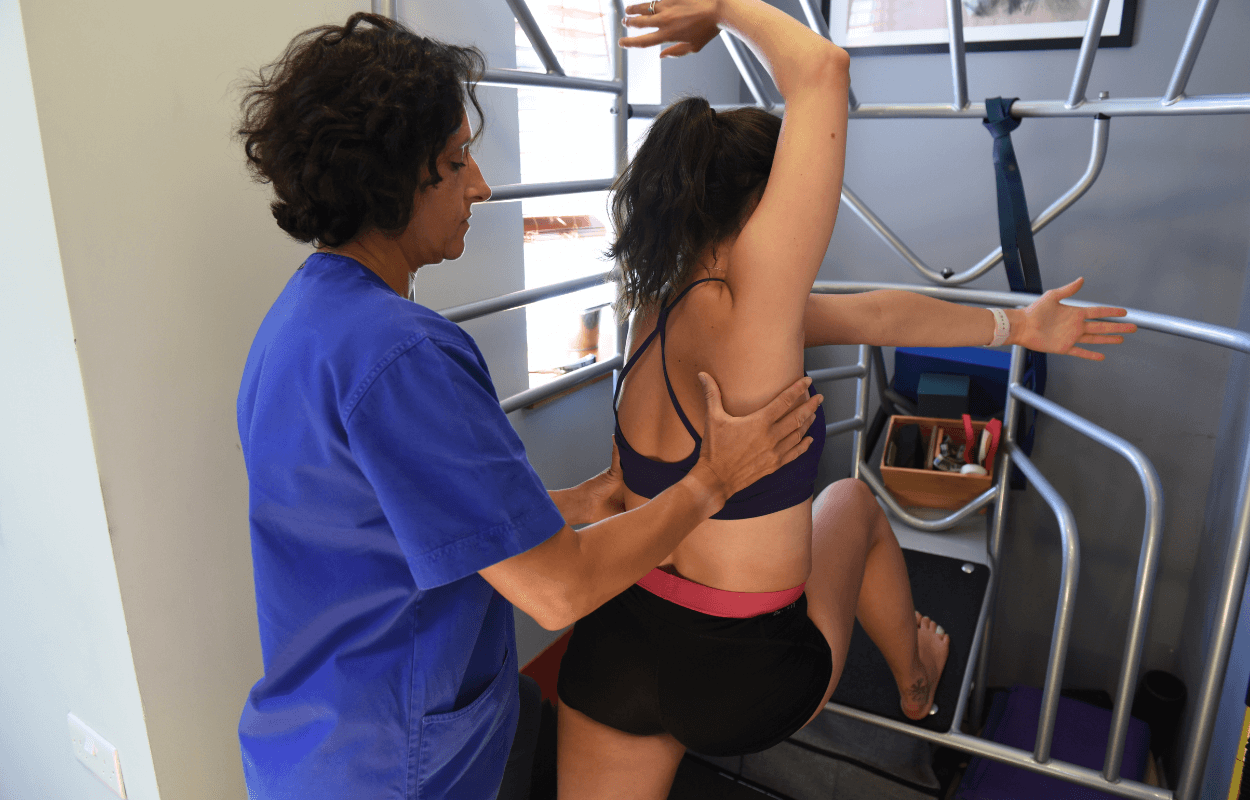
Functional osteopathy involves a new way of assessment and treatment. It uniquely combines Osteopathy with Applied Functional Science (AFS). AFS uses chain reaction biomechanics and is based on the principles of functional movement. Instead of looking at isolated areas of the body, AFS realises that everything is connected and integrated. For example, it can explain how a lack of ankle motion can affect the hip, lower back, neck or shoulder. Hands on osteopathic therapy is used. However, assessment is based around what you do in real life. There are no artificial testing methods such as touching your toes if it doesn’t relate to the way you move naturally. Treatment often occurs in upright functional positions. This enables treatment to directly translate back to improving your movement in everyday life. Treatment is unique to your ability, function and goals and will not be the same as the client before or after you. This treatment approach gives the body access to parts it has not been able to use and teaches it how to move better. The power of combining Osteopathy and Applied Functional Science is in utilising the body’s natural moving state.
Lying someone on their side and asking them to lift up their leg in not ‘functional’ to work the glut muscle and it does not get them more successful at walking, dancing, running or jumping. Asking someone to stand with a leg forward and to reach in a particular way becomes a better way to improve glut function and is closer to what we all do everyday. We all need to function in an energy efficient manner, but ideally in a pain free way. When our bodies are in pain, most often it changes the way we move and go about our daily lives.
The ‘functional’ way works fantastically well with elite athletes and performance enhancement, but also is brilliant at treating everyday injures, such as back or neck pain, hip, knee and foot pain or shoulder and elbow pain.
A combination of Osteopathic methods and AFS is used for treatment and in the rehabilitation of injuries.
When assessing a patient, we are really trying to see WHY something has happened and not the fact that it has happened. This enables us to go faster to the route of the problem.
We feel that creating great function enhances our health and well-being and is a remarkable way of encompassing movement into an integrated way and not an isolated way.
If you would like to see one of our ‘Functional Osteopathic’ practitioners, book in to see James, Annie or Steph. reception can be contacted on 020 8605 2323.
Blog post by James Dodd

Walking. Simple but effective
Other than the obvious: It’s free and pretty much predictable at what time you will get somewhere, walking also has great health benefits. If your doctor has no concerns, walking briskly is even better.

Other than the obvious: It’s free and pretty much predictable at what time you will get somewhere, walking also has great health benefits. If your doctor has no concerns, walking briskly is even better.
The benefits…
It’s mildly aerobic, getting your heart and lungs working
Improves circulation and can help lower blood pressure
Walking a mile can burn about 100 calories
Has great cognitive benefits. Some suggest it improves your memory too
Great help with insulin sensitivity. A fifteen minute walk after every meal curbs risky spikes in blood sugar
Can help with sleep
Stress relief – especially in the fresh air!
Try to add walking more into your daily routine. To track your steps, use a pedometer, you can even get an app for your smart phone. Aim for 10,000 steps a day. It sounds like a massive amount, but once you take the stairs instead of the lift, walk home rather than the bus, walk around the block at lunchtime, you actually hit that number pretty easily. If you get to 8,000 steps later in the afternoon, there is your target for the rest of the day, just 2000 more! Make it a daily challenge to get to your target.
James Dodd
Principal/Functional Osteopath
BSc (Hons) Ost. FAFS GPS

Sprained ankle on the tennis court? Think TWICE before grabbing the ICE
If you sprain your ankle on the tennis court, the first port of call is usually the clubhouse freezer. But is ice actually doing you more harm than good?

If you sprain your ankle on the tennis court, the first port of call is usually the clubhouse freezer. But is ice actually doing you more harm than good?
R.I.C.E. (Rest, Ice, Compression, Elevation) has been the most common initial treatment of acute injury over the last 30 years, as introduced by Dr. Gabe Mirkin in his 1978 publication The Sports Medicine Book. A recent study by the American Journal of Sports Medicine (June 2013), however, has made Dr. Mirkin swallow a slice of frozen humble pie. The study demonstrated no evidence that ice hastened recovery, leading Dr. Mirkin in his 2014 article “Why Ice Delays Recovery” to admit that he was wrong.
So, why is ice not always the best solution?
Firstly, it is worth noting that the inflammatory process is vital for the repair and remodelling of tissues. Common sense would suggest that inhibiting this process may not be the best idea. Ice acts to constrict blood vessels thereby reducing the amount of inflammatory cells deposited by your blood stream.
Although this may reduce pain and pressure on an injury, it also stops healing cells from entering injured tissue. Ice, as well as constricting blood vessels, also constricts the lymphatic system which is responsible for clearing out inflammatory debris. So, you can begin to get a picture of the effect ice has on an injury; less healing cells and a reduced ability to remove inflammatory waste – not ideal for recovery.
So, what should you do?
Here are Dr. Mirkin’s new set of tips for acute injury treatment:
1. Stop exercising immediately; you don’t want to cause further damage.
2. If the injury is very painful, then cold has been shown to reduce pain, in these circumstances you can grab a bag of peas from the freezer but use intermittently – 10 minutes on, 20 minutes off.
3. As soon as possible, get yourself assessed by a health professional to ensure no serious damage has been done.
4. After 48-72 hours the inflammatory process will usually have done its job, movement and the correct exercises then become the order of the day.
5. Joint pumping is a fantastic way of naturally assisting the lymphatic system to remove excess waste, while the correct movements will stimulate tissue repair.
If you are suffering from an injury and need to have it treated, just call the clinic to book an appointment with me.
Neil Sharland
Osteopath M.Ost

ACUPUNCTURE – THE ONLY RECOMMENDED PROPHYLACTIC TREATMENT FOR HEADACHE
Research has shown that a course of acupuncture can reduce symptoms of headaches by more than 50% and in some people acupuncture has been reported to eliminate their symptoms altogether!!

Suffering with a headache is unnecessary…
“Headache has been underestimated, under-recognised and under-treated throughout the world” WHO
Headache disorders are among the most common disorder of the nervous system. Nearly 50% of us have suffered from a headache in the last year and nearly 10% of those have reported migraine. Up to 4% of the worlds adult population suffer with headaches on 15 or more days a month.
Not only is headache painful, but it is also disabling.
Acupuncture for headaches…
Research has shown that a course of acupuncture can reduce symptoms of headaches by more than 50% and in some people acupuncture has been reported to eliminate their symptoms altogether!!
Following this research the National Institute for Clinical Excellence (NICE) passed a Guideline for Headaches, CG15 in September 2012 declaring a course of up to 10 sessions of acupuncture over 5-8 weeks as the ONLY recommended prophylactic treatment that isn’t drugs.
There are many types of headaches, some chronic and some episodic. Like with any other aches and pain the longevity of symptoms can act as a general guide of how many treatments you may need to help with your headache management. The more acute headache sufferer may only need 1-2 treatments, but for the more chronic and long-term sufferers, more treatments will be necessary. What is clear is that acupuncture is very likely to help with fighting your headache.
What to do next?
Start by keeping a headache diary today – record the frequency, duration and severity of the headache. Contact us if you would like a simple spreadsheet to follow.
If you are suffering with headaches, call the clinic to book an appointment in with me.
Anja Davidson
Osteopath M.Ost

Biomechanics of running….
Running is VERY different to walking and injuries for both need to be addressed differently. it is critical to be assessed correctly.

Good paper here on the Biomechanics of Running.
Running is VERY different to walking and injuries for both need to be addressed differently. it is critical to be assessed correctly.
The practitioner needs to look at you thoroughly and understand chain reaction biomechanics.
It could be how your back leg or hip is not extending as to why you have opposite foot pain….. As always… get it looked at …properly…
Nutrition tips for marathon runners
Nutririon tips for marathon runners…
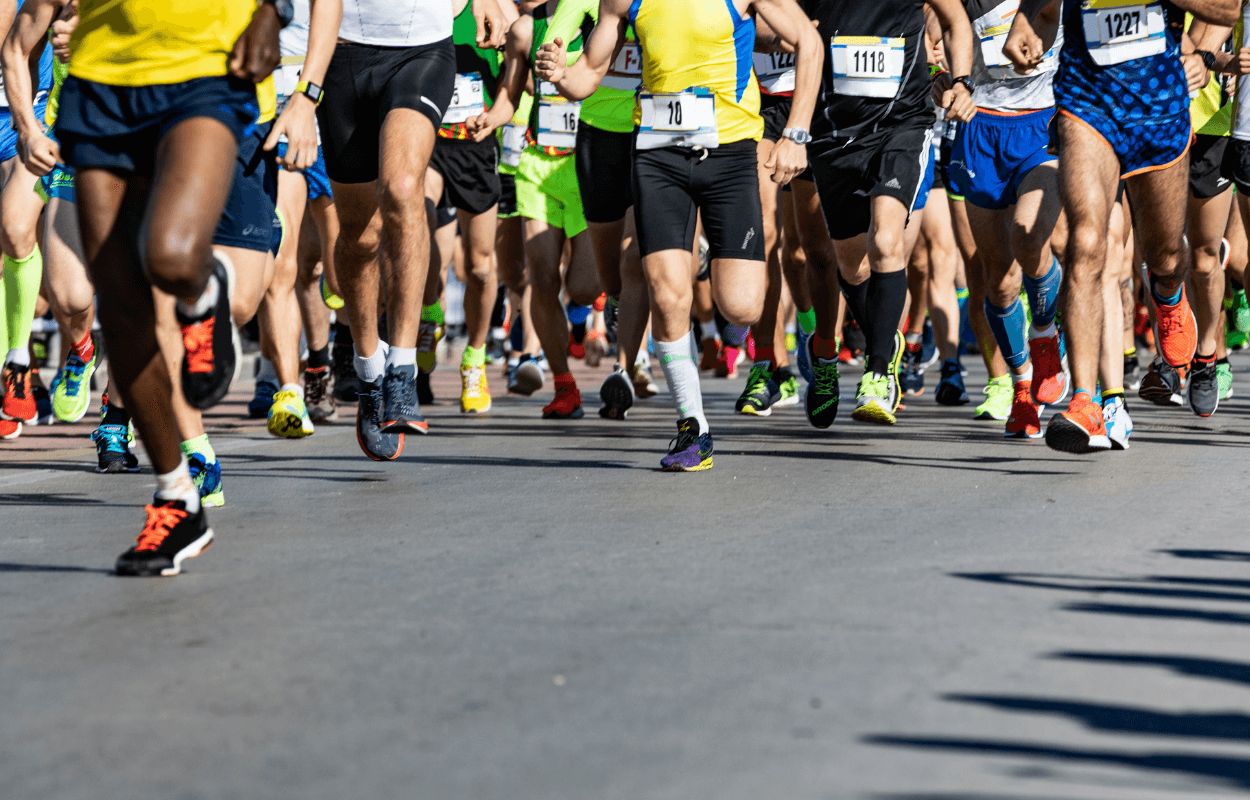
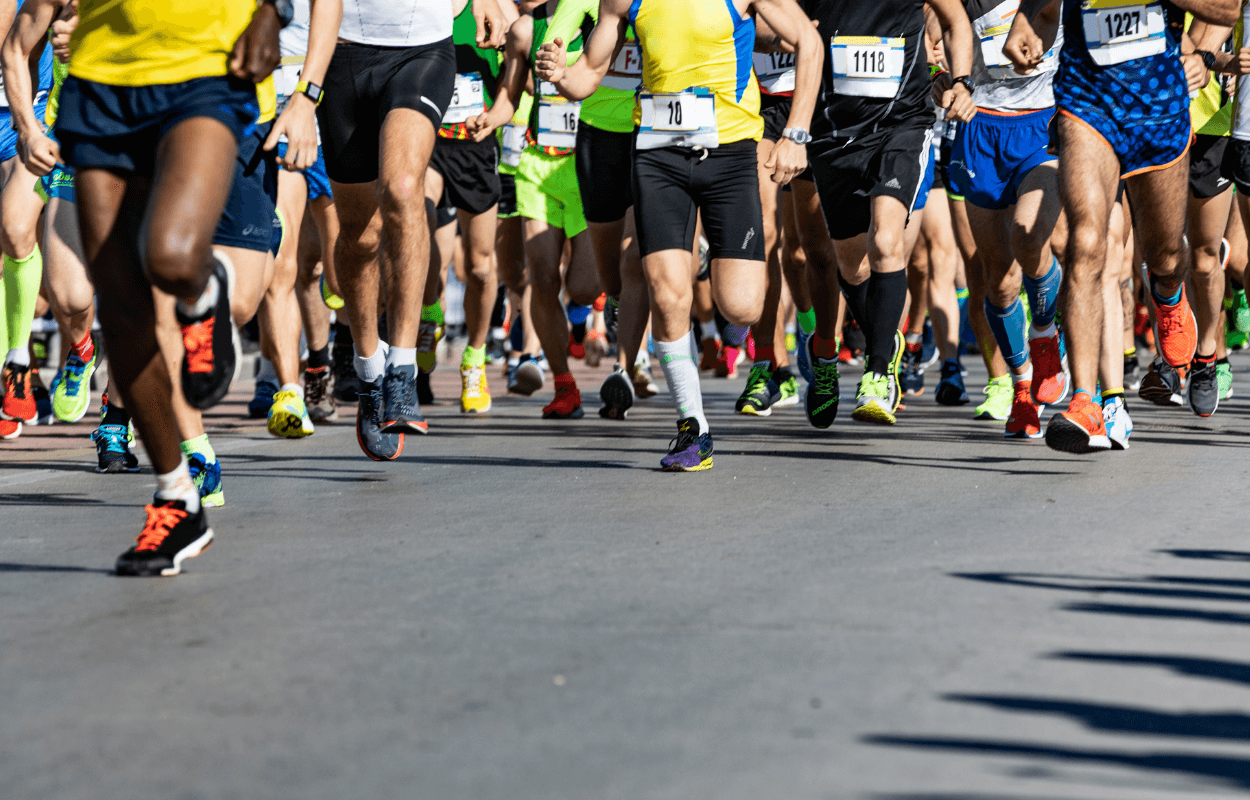
RUNNING THE MARATHON?
Here are some vital nutrition tips:
1. STAY HYDRATED
It’s really important to be hydrated for the marathon. The trick is in the preparation. You don’t want to be making lots of toilet trips during the race! Drink plenty the week before and in the morning 700ml will do, avoiding any for the hour before the race.
Make sure you have water throughout the run, but don’t feel the need to drink constantly. The most recent research suggests it’s best to drink when you are thirsty. This helps avoid over-hydrating and can also reduce gut discomfort and improve performance on the day. Coconut water is also a great natural alternative to the energy drinks in replacing lost hydration, sugars and electrolytes during the race.
2. FAT THEN CARB LOADING GIVES MORE ENERGY
Research has shown that a diet (short term) high in fat before you embark on the more traditional pre-race carb loading offers great benefits for increased energy. 10 days of fat loading are enough to increase the muscles fat burning capacity, while the three day carbohydrate load ensures muscles have plenty of glycogen available for energy.
In the fat loading days, start 2 weeks before the race and aim for 65% of your total calorie intake from foods containing healthy fats. These could be avocados, cheese, eggs, salmon, whole milk, Greek yoghurt, nuts, olives and olive oil. In the carb loading days, start 3 days before your race and aim to get 70% of your total calories from carbohydrates.
3. DRINK BEETROOT JUICE
Beetroot juice is packed with dietary nitrates, which dilate blood vessels, increasing blood flow to muscles during exercise. Studies have shown that drinking 500ml of beetroot juice 2-3 hours before running can enhance performance. Try it on a couple of training runs before your marathon day and see if the red juice helps.
REMEMBER YOUR NUTRITION IS FUEL
Getting it right can really make the difference not only in performance, but your enjoyment of the day. Good luck and fuel smart.
Written by Stephanie Gammell M.Ost FAFS
Functional Osteopath at Back to Back – The Earlsfield Osteopath

SHIN PAIN IN RUNNERS EXPLAINED
Lower leg pain can come on for unseasoned runners or those that change their training routine too quickly without laying suitable foundations. This could be switching to lots of hill running or adding in more speed work.
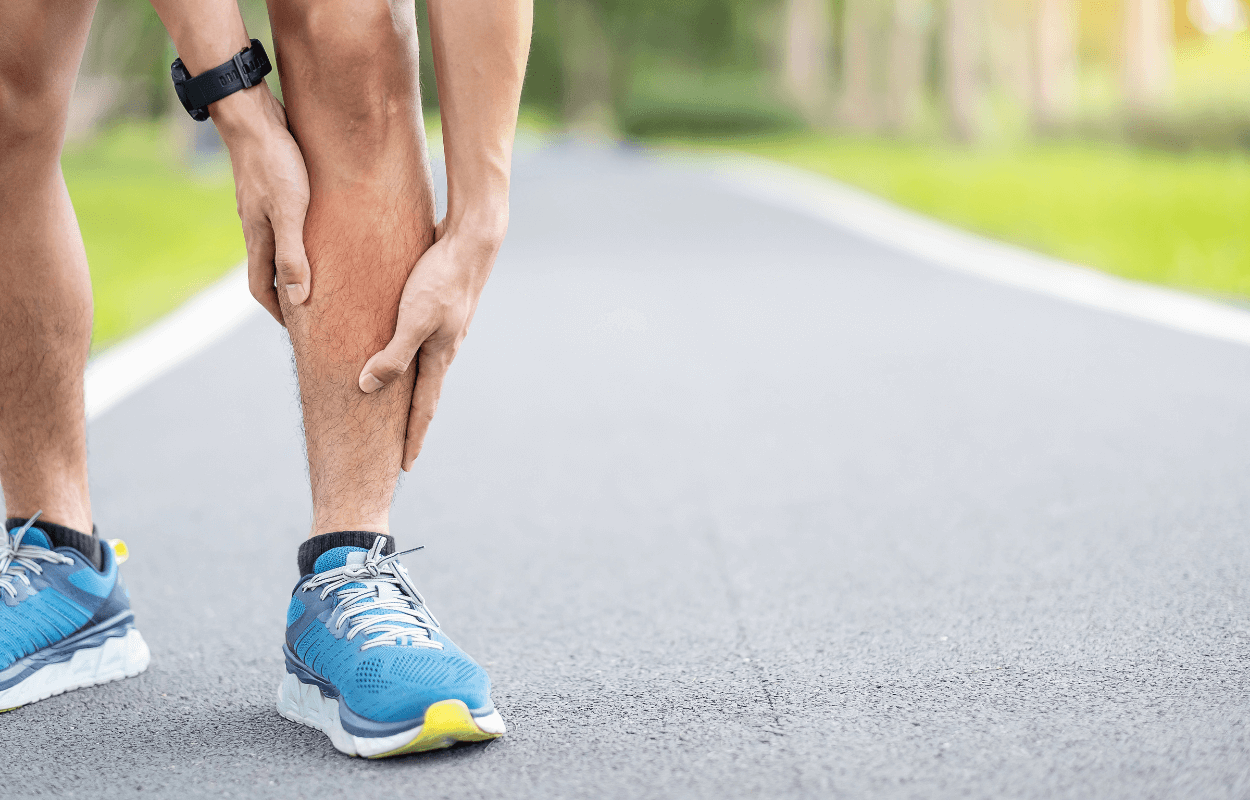
Lower limb injuries in runners are all too common and unfortunately hard to predict. With the ‘Virgin Money London Marathon’ not too far off, we wanted to share some Back to Back thoughts on shin pain.
Lower leg pain can come on for unseasoned runners or those that change their training routine too quickly without laying suitable foundations. This could be switching to lots of hill running or adding in more speed work.
One or more of THREE pathological processes are often involved in shin pain.
Shin Splints or Medial Tibial Stress Syndrome/Inflammatory shin pain
This is normally pain on the front or inside of your tibia/shin bone. It can wax and wane, but normally decreases as you warm up. The runner can often complete their training but it can recur after exercise and be painful the following morning. If left untreated, it can become worse.
It is generally agreed that if you have shin splints, you should stop running or alter your training depending on its severity. Reduction of the inflammatory response is key and it may be helped by rest, stretching, ice and soft tissue work.
Medical Acupuncture in the right places appears to be pretty effective. Off load your shins with alternative training methods or running in a pool. When you return to running, do it gently and follow the 10% rule. Don’t increase your speed or distance by more than 10% per week.
Bone Stress Response
Pain in the shinbone may be due to a stress response/stress fracture of your tibia. This without doubt is more serious than ’shin splints’ and needs to be ruled out if pain persists. This sort of pain can be increasing or pretty constant. It is often worse on impact or after use. There may be some night pain. Pain is normally more localised or acute than ‘shin splints’.
Compartment Syndrome
The muscles in your lower leg are separated into compartments. Causes are not fully known, but as your muscles swell during activity, they create increased pressure in these ‘closed compartments’. Signs and symptoms are directly related to use and intensity. It increases with exercise and decreases with rest. Soreness can be minimal and diffuse. There may be muscle weakness and sensory symptoms into the foot and toes.
Seeking help is important if you have pain, especially if it does not go away. Making sure you see an appropriate practitioner with suitable qualifications to enable a correct diagnosis or referral is important.

SITTING IS THE NEW SMOKING… Things you can do…
Studies have repeatedly shown the effects of long-term sitting are not reversible through exercise or other good habits. Sitting, like smoking, is very clearly bad for our health and the only way to minimise the risk is to limit the time we spend on our butts each day.
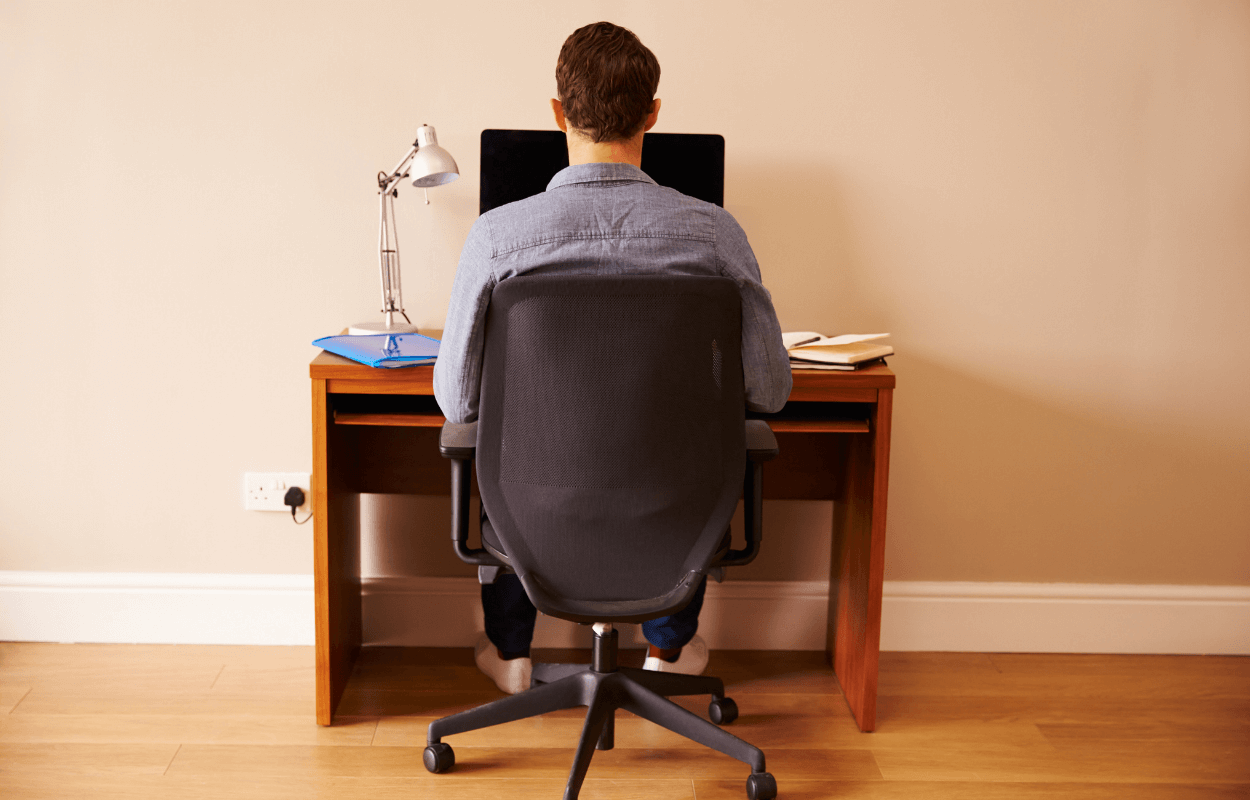
Studies have repeatedly shown the effects of long-term sitting are not reversible through exercise or other good habits. Sitting, like smoking, is very clearly bad for our health and the only way to minimise the risk is to limit the time we spend on our butts each day.
BUT I HAVE A DESK JOB?
Make phone calls while pacing
Walk to a bathroom on a different floor
Set a reminder alarm to get up and move/stretch
Take a walking meeting
Consider an alternative desk. Height-adjustable/ desktop shelf. Try to alternate between standing and sitting
Go for a walk on your lunch break – use a pedometer to get counting your steps

Cancaneal Apophysitis (Sever’s Disease)
Sever’s Disease in children; the cause and treatment.
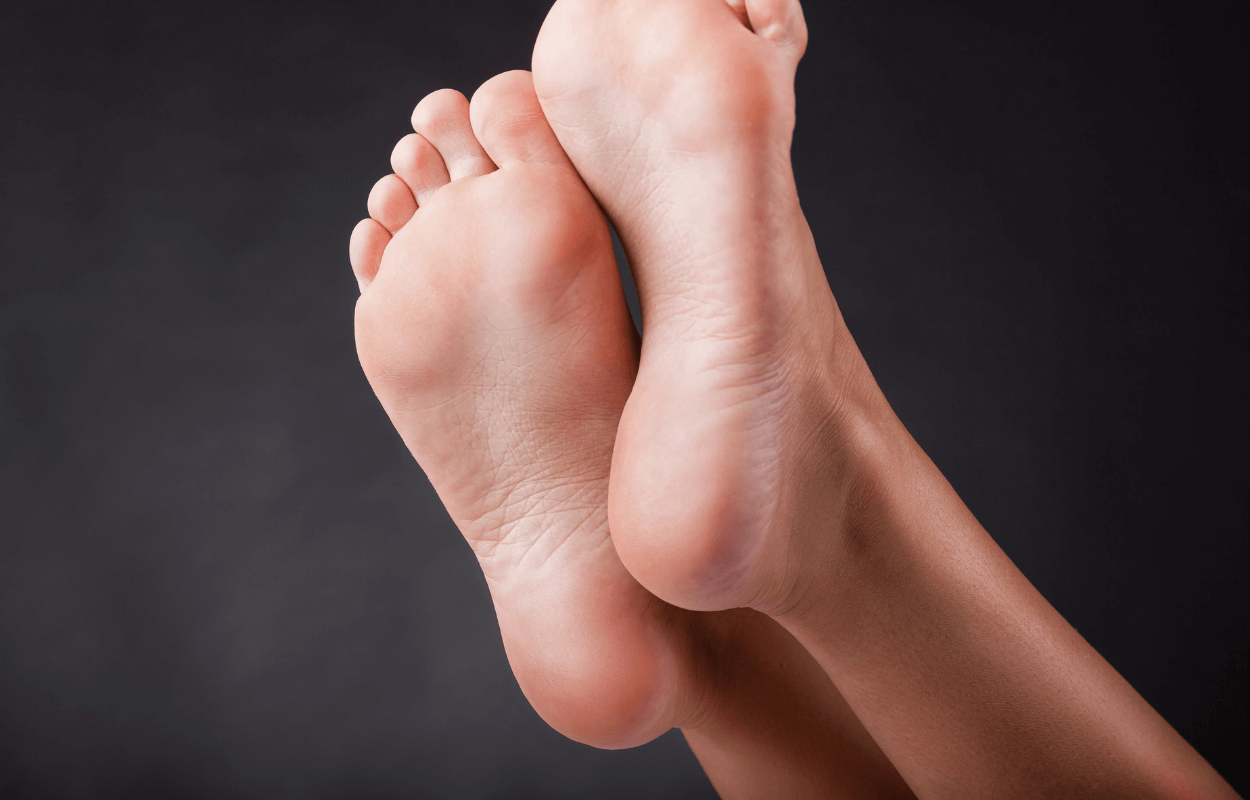
This is painful inflammation of a child’s growth plate at the heel. Normally, this affects children between 8 – 14 years old as their calcaneus (heel bone) is still developing. It is also at a time when children often increase the amount of exercise they do. With increased and repetitive use, the achilles tendon ‘tractions’ on the growth plate at the heel and so causing pain and inflammation. Approximately 60% of Sever’s is bilateral.
Causes
It is essentially an overuse injury at the time of growth. Sports that ‘load’ the achilles tendon and heel such as running and jumping are normally the culprits. Often a bout of Sever’s can become aggravated at the start of a season after a ‘rest’ period or exercising on harder ground as it gets colder. Tightness in the calf can also lead to increased load onto the heel bone. It bad cases, it may take until the child stops growing before complete resolution. It is also really important to try to observe why there has been more load placed onto their heel… this may be from a stiff hip or other area. This is key to successful treatment.
Diagnosis
This needs to be based on a full and correct examination by your osteopath, doctor or other medical professional. X-ray or MRI may be used to confirm the diagnosis or monitor the progress, but often this is not necessary.
Treatment
Calcaneal apophysitis has no known long-term complications and is self-limiting; that is, it should go away when the two parts of bony growth eventually join together (occurring around 16 years of age).
It is important to limit (temporarily) excessive or rigorous activity in its painful stages. But it is also about management, as you can get times when it calms and at other times, it can then flare up again as they increase activity. Soft shoes and heel cups can make a difference and it is important to make sure the child has sound biomechanics (eg no excessive pronation or muscular imbalance). Regular and correct stretching of the tight muscles in the calf and thigh are essential. Ice can be of great help if used correctly. Anti inflammatory medication may be of use – but do check with your medical professional about this first.
Seeking help from your osteopath or good physical therapist can really help too. They will check for poor biomechanics and work and stretch the calf and thigh and manage this injury with some good strengthening exercises.
Return to sports or activity
The goal here is to get your child back to their desired sport or activity as soon as safely possible. It may be a gradual return to see if the condition regresses. If they return too early, it may lead to more chronic pain.
To return to sport your child should have no pain at rest and should be able to walk pain free. They should also be able to jog, sprint and hop pretty much symptom free too.
If after the pain resolves…. it is important that there is still a regime of regular stretching of their calves, thigh and leg muscles

Sports Massage… the low down
Research shows that there is moderate data supporting the use of massage to facilitate recovery from repetitive muscular contractions, as well as being effective in alleviating DOMS (delayed onset muscle soreness – that achey feeling you get after tough exercise) by approximately 30%.

Here is a great write up by Bhavesh Joshi about the benefits of Sports Massage. It does make a difference and people do report that they feel and notice the difference. With those of you that are training for an event such as the London Marathon or triathlons in the near future, make sure that you try a regular sports massage to keep your muscles less tight and feeling better!
Bhavesh says…..
Research shows that there is moderate data supporting the use of massage to facilitate recovery from repetitive muscular contractions, as well as being effective in alleviating DOMS (delayed onset muscle soreness – that achey feeling you get after tough exercise) by approximately 30%.

Dry Needling and Neck pain
When used in combination with osteopathy, acupuncture is a hugely effective treatment for neck and back pain.

A study (see link) published in 2014 in the Journal of Orthopaedic and Sports Physical Therapy has found patients who received dry needling for their neck pain showed significantly better improvement than the untreated group. It was a small study, but always a good place to start. The patients reported 33% less pain immediately after treatment and 66% less pain a week later.
Most of our osteopaths have completed their acupuncture training with the British Medical Acupuncture Society (BMAS) and it is a hugely effective method of treatment, especially when used in combination with osteopathy. We often use this for neck and lower back pain, hip and shoulder pain along with many other injuries.

Hypermobility and the Gut
A few years ago, one of our osteopaths Annie Fonfé did her final year dissertation on ‘Hypermobility Syndrome and Bruxism’ (teeth grinding or clenching). One of her questions she asked the patients was ‘did they or had they ever suffered with stomach problems or been diagnosed with IBS’. She found that a significant portion of hypermobile patients did indeed suffer with stomach concerns of some description.

Hypermobility Syndrome and Gut Problems
A few years ago, one of our osteopaths Annie Fonfé did her final year dissertation on ‘Hypermobility Syndrome and Bruxism’ (teeth grinding or clenching). One of her questions she asked the patients was ‘did they or had they ever suffered with stomach problems or been diagnosed with IBS’. She found that a significant portion of hypermobile patients did indeed suffer with stomach concerns of some description.
A recent study lead by Professor Aziz (Professor of Neurogastroenterology at Queen Mary Hospital of London) found that patients with hypermobility syndrome/disorder often suffer chronic abdominal pain and a range of gut symptoms. They are frequently misdiagnosed, undiagnosed or wrongly diagnosed and have poor quality of life said Professor Aziz. He went on to say that this observation allows us to provide a better explanation of symptoms to our patients and tailor our treatments more effectively.
Hypermobility syndrome is a major problem and it is often undiagnosed and so the patients are mismanaged. Hypermobility can be helped to a greater extent if clinicians are aware of the bigger picture it can present with. If it was understood to a more fully, patients could be more empowered to create strategies for self help as well as directed help towards the correct therapists.

Joint Replacements and osteopaths
Arthritis can affect people both physically and mentally and the pain it may cause can be extremely draining.
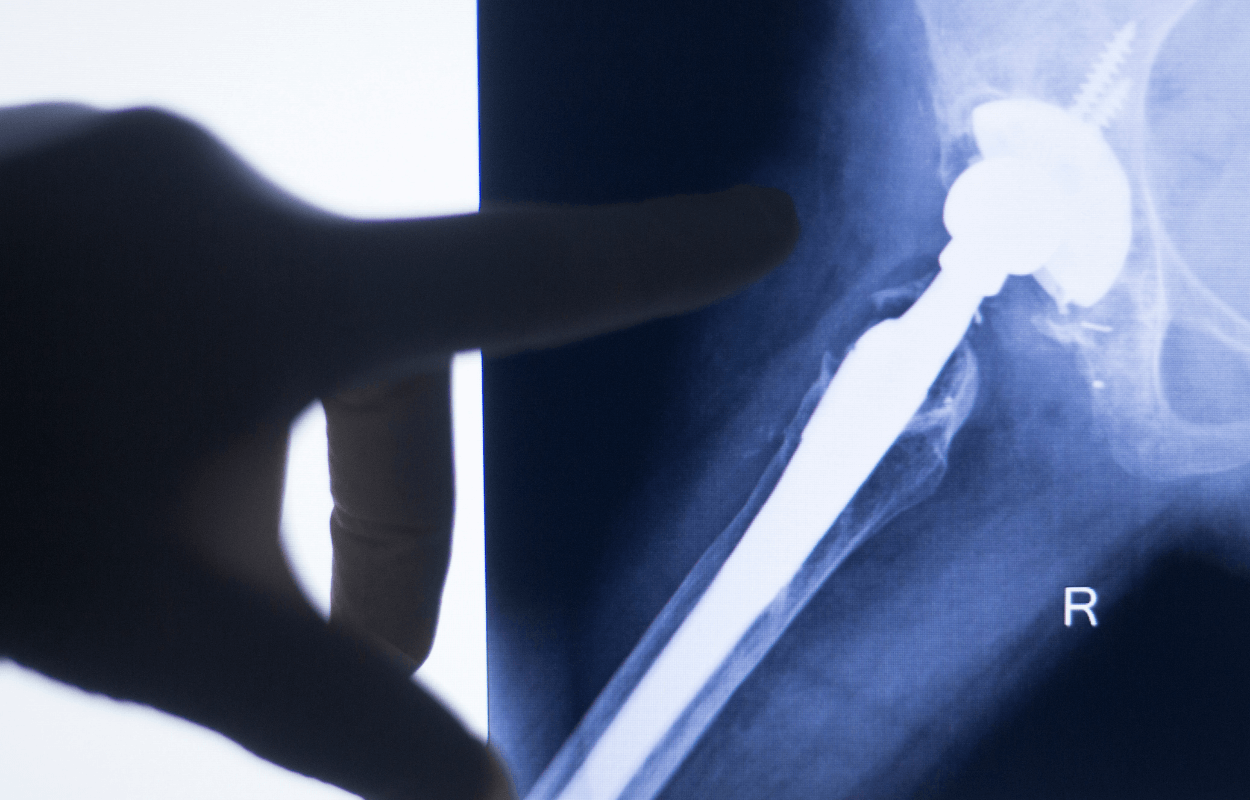
There are a number of patients who often present to our Osteopathy clinic for the treatment and management of arthritic conditions that may eventually require a joint replacement. Often these clients will ask the Osteopaths for their opinion on this and whether it is the right thing to do. This is often a difficult question to answer because every individual is different. Arthritis can affect people both physically and mentally and the pain it may cause can be extremely draining.
Other than advice from a health professional, it is also important to speak to others that have also had the same procedure. These are big operations and the ‘pros’ and ‘cons’ must be looked at. Most importantly, if you do decide to undergo an operation like this, you must be prepared to do the rehabilitation afterwards. This gives your body the very best chances of healing well and coping with your new joint.

Effective Spinal Manipulation….. what osteopaths do best!
Techniques between Osteopaths, Chiropractors and physiotherapists can differ hugely, but spinal manipulation is what we do best!
An interesting paper here on the effectiveness of spinal manipulation….
The results of this study confirm that lumbar mobilisation treatment has an immediate effect in relieving low back pain, however the specific technique used seems unimportant. More research is probably needed here to find about more specific techniques and how they work….. Techniques between Osteopaths, Chiropractors and physiotherapists can differ hugely and this needs to be reviewed too!

Statin use and Arthopathies…
A recent US study has recently found that “Musculoskeletal (MsK) conditions, arthopathies, injuries and pain are MORE common among statin users than among similar non statin-users.

A recent US study has recently found that “Musculoskeletal (MsK) conditions, arthopathies, injuries and pain are MORE common among statin users than among similar non statin-users.
The researchers concluded:
To our knowledge, this is the first study, using propensity score matching, to show that statin use is associated with an increased likelihood of diagnoses of MsK conditions, arthropathies and injuries. These findings are concerning because starting statin therapy at a young age for prevention of primary cardiovascular disease is widely advocated…..
Some other articles that highlight this:
http://archinte.jamanetwork.com/article.aspx?articleID=1691918
http://journals.lww.com/amjmedsci/Abstract/2013/05000/Incidence_of_Musculoskeletal_and_Neoplastic.3.aspx
http://www.ncbi.nlm.nih.gov/pmc/articles/PMC3266514/

True Proprioception and Function
You get great proprioceptive training for free if you do authentic Functional Exercise. Proprioceptors provide us with information about movement and the position of our head, limbs and body in time and space.

Proprioception could be looked at as one of the inner ‘controllers’ of our body!
You get great proprioceptive training for free if you do authentic Functional Exercise. Proprioceptors provide us with information about movement and the position of our head, limbs and body in time and space. Their aim is to protect our body from damage by using ‘stretch reflexes’ and these can restrict or limit our movement at times of need. Some of these sit in joints, some in our muscles and some in skin and fascia. In combination, proprioceptors give our body a supreme and enhanced awareness of our ‘whereabouts’.
You do need to proprioceptively train the body towards the function it so requires. Doing a ‘plank’ for example will not train your abdominals proprioceptively to protect you in upright function with lumbar spine extension and rotation. Squatting will not proprioceptively train your legs to run and that ‘static squat hold’ at 90 degrees that many are given, will certainly not protect your hips, knees and ankles while you ski.
Training proprioceptors effectively requires movement and often (although not always) it needs ground force reaction too! Increased effectiveness is achieved by using different tweaks or additions to our movement such as adaptations in speed, depth, height and angulation and this may involve using your head, limbs and body, all in 3 planes of motion. An INTEGRATED chain reaction is needed, nothing is ISOLATED.
Whatever sport or exercise you want to do, to become and stay good at it, your conditioning and rehabilitative training needs to look and smell like the sport you want to do!
If you need any help with Functional Training or need an injury treated, call us at Back to Back on 020 8605 2323

Biomechanics and REAL function
I have been an Osteopath since 1999 and part and parcel of being an osteopath is having a thorough understanding of anatomy, biomechanics as well as medicine and pathology.

I have been an Osteopath since 1999 and part and parcel of being an osteopath is having a thorough understanding of anatomy, biomechanics as well as medicine and pathology.
This year I had the privilege of doing a mentorship with the Gray Institute called GIFT. This was a 40 week course working with the world legends Gary Gray and Dave Tiberio. They created ‘Applied Functional Science’ or AFS. This is the real science behind movement and not what is says in the anatomy books! Gary Gray has been a US physical therapist for more than 35 years and has been working with Dave Tiberio since then. They look at REAL function and how everything changes when your foot hits the floor.
Assessment and rehabilitation is all done in 3 planes and mostly standing, using the full impact of gravity and ground reaction! This uses correct neurological pathways as your proprioception is ‘switched on’ and so you are able to assess what the body is able to ‘functionally’ achieve. This is very different from feeling and seeing what a back, hip or knee does while lying on a table.
Very few people REALLY look at the body in the way they (or I do now) do. Some will look at the tri-plane movement of the foot and sub-talar joint, but they don’t link this to the hip or scapular or cervical spine in gait, hitting a golf ball or bowling. Gary Gray and Dave Tiberio teach all this to the extent of how your psoas affects your scapular or foot! Quite brilliant!
GIFT has been inspirational and an amazing journey and it has set me alight! It has given me more passion to further the osteopathic and functional model. GIFT is a huge investment both financially and in your time. But I looked at it as just that…. an investment. An investment in me and an investment in my patients. So worth it!
If anyone is interested in doing something like this, look at their website and if you cannot manage something so big as GIFT, look at one of their Chain Reaction courses or their online content.

Get Wise for CrossFit – and keep safe!
The first affiliated CrossFit (CF) gym was opened in Santa Cruz in 1995 and was founded and developed by the coach Greg Glassman. Over his years of watching the fitness industry, his idea was to create versatile athletes (gymnastics and weightlifting) through primal movements and intense training.

The first affiliated CrossFit (CF) gym was opened in Santa Cruz in 1995 and was founded and developed by the coach Greg Glassman. Over his years of watching the fitness industry, his idea was to create versatile athletes (gymnastics and weightlifting) through primal movements and intense training. It has since gained worldwide momentum and a huge following.
The typical workout or WOD may involve intense drills of weightlifting (squats, deadlifting and carrying odd objects or kettlebells etc) box jumps, burpees, sprinting and using gymnastic rings to name a few. Most activities are all well and good and with a structured and progressive integration into your lifestyle and using the basic premise of not walking before your can crawl and not running before you walk. This puts in place not just the neurological inputs that are needed to perform and function, but embeds some firm foundations of the chain reaction needed for movement and structural control.
I see and treat a fair amount of injuries sustained through CrossFit and whilst injury is often seen to be part of any intense exercise, I do feel some of these could be avoided.
CrossFit is massively intense and with that comes excitement and vigor and over time, a body that develops in power, coordination and agility. But I feel that with this excitement and vigor often comes lack of care for ones self and the idea that if your push yourself harder, you get faster results.
Let me use the example of running again. If we have a basic level of fitness, most of us assume we should be able to run. Running is composed of lots of hops and leaps. When treating/rehabbing athletes, I am often asked “am I ready to run yet?”…… and I ask them “can you repeatedly hop and leap?” and then depending on their answer we watch and see…… and we see if they can or if they fail. That gives us the answer and often, they cannot hop and leap! So surely, they should not run!
My point of this is much more about creating the foundations much deeper than you think you need. To enable Mo Farah’s fabulous achievements at the 2012 Olympic Games, he would have run around those tracks hundreds if not thousands of times and known that if he gets a PB, it will probably be within a certain amount of time.
So doing 25 squats with 100kgs if you have only ever twice before would be foolish. Doing 25 squats with 100kgs should ok if you are regularly doing 25 times 90kgs.
To enable good technique with power moves such as deadlifts and squats you don’t just need good technique, you really need good functional mechanics such as sufficient ankle, knee and hip movement and these need to be able to load the weight correctly. If they cannot do this, somewhere else will take the hit….and this hit maybe your lower back, shoulder or neck!
Over the next few months I will be working with Tom and Harri Bold from CrossFit Bold and other coaches from Athletic Alliance to develop some easy strategies to enhance movement and control, which we will be sharing with all the members. All with the idea injury avoidance! But in the meantime, please be careful of your form and technique and keep your ego in check and don’t find yourself where you are trying to push your body to a place where it has not been before too quickly.
Ignore the figures but, think of it like an iceberg – 70% underneath and 30% on top…..

Femoral Anteversion and Retroversion
It is important that when testing the ROM available of the hip, it should be tested in normal function, upright (not just lying on a plinth) and with the hip in a flexed and extended position, since movement may be possible in one motion, but restricted into the other.

This one is often so overlooked and surgeons often suggest that there is no clinical consequence…..and so don’t worry!
For the office worker or the sedentary person that does not have large physical requirements of their body, it may just be the silent hip that may or may not give rise to any symptoms.
BUT for the person that does a very physical job or the person who partakes in sport or the hard training athlete…. the apparent symptoms may be very different!
Normal hip internal rotation should be about – 35 degrees
Normal hip external rotation should be about – 45 degrees
It is important that when testing the ROM available of the hip, it should be tested in normal function, upright (not just lying on a plinth) and with the hip in a flexed and extended position, since movement may be possible in one motion, but restricted into the other.
One possible cause of increased hip internal or external rotation may be femoral neck anteversion or retroversion.
The normal neck of the femur is angled at 15 degrees anterior to the long axis of the shaft of the femur and the femoral condyles. An increase to this anterior angulation results in greater internal rotation (anteversion) available at the hip. Often the patients are seen to be ‘toeing-in’ Conversely, a decreased anterior angulation (retroversion) results in a greater amount of external rotation. Patients that ‘toe-out’ may have a retroverted hip.
One thing we as clinicians need to be aware about when seeing patients is that either of these can create neck pain, lower back pain (or many others) as well as hip, knee and foot pain. Looking for this does not take long and can be part of your normal thorough examination.
Imagine the runner that toes-in due to a right anterverted hip. As he runs he needs internal rotation at his hip and by toeing-in, he uses much if this internal rotation up. This would tighten up the frontal plane of the hip and further load your knee as it tries to cope with the lack of available motion at the hip. Also, as the toes points inwards, your knee is not aligned in the sagittal plane. The creates excessive load at your knee too!
So be aware of this as a potential problem and check out some great and simple tests that may give you a hint as to whether this may be the root of your patients symptoms.
If you are concerned about your gait or hips, give Back to Back a call on 020 8605 2323 and one of us can have a look.