If you've noticed your back, knees or shoulders feeling stiffer and sorer since the weather turned, you're not imagining it, and you're certainly not alone. Every autumn, our clinic here in Earlsfield sees a noticeable rise in patients coming in with joint and muscle pain that seemed to appear out of nowhere — often in people who felt perfectly fine all summer.
There's a genuine, physiological explanation for this. Understanding what's actually happening in your body when the temperature drops makes it far easier to stay ahead of it, rather than simply accepting three months of stiffness as the price of a British winter.
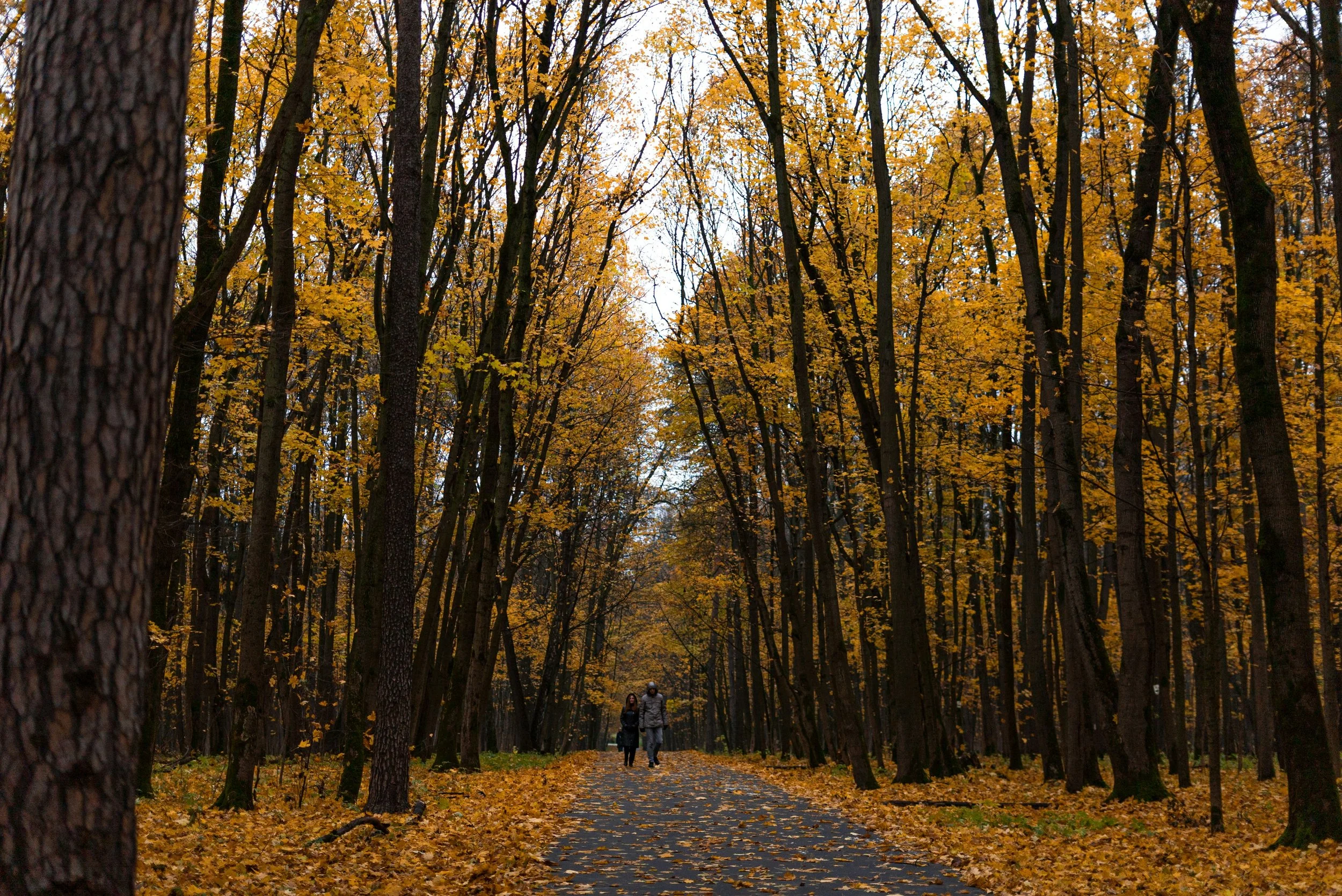
Glorious colours of autumn!!!
If you've noticed your back, knees or shoulders feeling stiffer and sorer since the weather turned, you're not imagining it, and you're certainly not alone. Every autumn, our clinic here in Earlsfield sees a noticeable rise in patients coming in with joint and muscle pain that seemed to appear out of nowhere — often in people who felt perfectly fine all summer.
There's a genuine, physiological explanation for this. Understanding what's actually happening in your body when the temperature drops makes it far easier to stay ahead of it, rather than simply accepting three months of stiffness as the price of a British winter.
The Real Reasons Your Body Feels Different in Colder Months
Reduced blood flow to your muscles
When you're cold, your body prioritises keeping your core organs warm. To do this, blood vessels near the surface of your skin and in your limbs constrict, redirecting blood flow inward. That's a sensible survival mechanism, but it has a side effect: your muscles receive less blood flow than they do in warmer months. Less blood flow means less oxygen and warmth reaching the muscle tissue, which makes muscles naturally tighter, less pliable, and slower to respond — exactly the conditions that make you feel stiff getting out of bed or off the sofa.
Tighter connective tissue
Muscles aren't working in isolation. They're wrapped in fascia — the connective tissue that surrounds muscles, joints and tendons — and fascia behaves a lot like an elastic band left in a cold room: it becomes less elastic and more prone to feeling "tight" or restricted. For anyone with an old injury, a previous sprain, or a joint that's already slightly compromised, this reduced elasticity is often where stiffness or discomfort is felt most acutely, because there's simply less give in the tissue around the area.
A genuine drop in activity levels
This one is less about physiology and more about habit, but it matters just as much. As daylight hours shrink, the evening run gets skipped, the walk to the shops becomes a drive, and Saturday's outdoor activity is quietly swapped for staying in. Movement is one of the best things we can do for joint health — it keeps synovial fluid (the joint's natural lubricant) circulating and keeps supporting muscles strong. When activity drops off, even by a modest amount, joints that were coping perfectly well over summer can start to feel stiffer and more irritable within a matter of weeks.
Put these three factors together — less blood flow, less elastic tissue, and less movement — and it's easy to see why so many people experience a genuine flare-up in symptoms every autumn, regardless of age or fitness level. It's particularly common in anyone managing an old injury, a bit of wear and tear in the knees or hips, or general lower back stiffness, but it can catch younger, generally fit patients off guard too.
Staying Limber Through the Colder Months
The encouraging news is that very little of this is inevitable. A few consistent habits make a real difference.
Build in short, regular indoor mobility
You don't need a full workout to keep your joints happy — you need frequency. Five to ten minutes of movement, two or three times a day, will do far more for stiffness than one long session once a week. Useful habits to build in:
A short mobility routine first thing in the morning — gentle spinal rotations, hip circles, and shoulder rolls before you've even left the bedroom help "wake up" tissue that's been still all night.
Standing up and moving every 45–60 minutes if you're at a desk. Cold weather tends to mean more time indoors and more time seated, which compounds stiffness rather than relieving it.
A few minutes of stretching in the evening, particularly for the hips, lower back and calves, which tend to bear the brunt of reduced daytime movement.
Warm up properly before outdoor exercise
If you're still running, cycling or playing sport through autumn and winter — and we'd encourage you to keep doing so — the warm-up matters considerably more than it does in July. In colder conditions:
Give yourself at least 8–10 minutes of dynamic warm-up (leg swings, lunges, arm circles) rather than static stretching, which is more effective at raising muscle temperature and gets blood moving into the tissue before you ask it to work.
Layer your clothing so you can regulate temperature as you warm up, rather than starting in minimal kit.
Ease into pace gradually. Muscles and tendons that are still cold are considerably more vulnerable to strains in the first ten minutes of activity, which is when most cold-weather exercise injuries happen.
Cool down properly rather than stopping abruptly and heading straight into the cold — a gradual cool-down helps prevent the sharp stiffness that often sets in a few hours after exercising in low temperatures.
Don't underestimate everyday warmth
It sounds simple, but keeping key areas — particularly the lower back, knees and neck — genuinely warm with appropriate clothing does more than most people realise. Muscles that are kept warm require less effort to move and are less prone to the tightness that leads to strain.
When It's More Than Just "Seasonal Stiffness"
Some increase in stiffness through autumn and winter is normal, and for most people, the habits above are enough to manage it comfortably. But there's a difference between mild, manageable seasonal stiffness and pain that's telling you something needs proper attention. It's worth booking in with us rather than continuing to push through if:
The discomfort is one-sided, sharp, or localised to a specific joint, rather than a general, diffuse stiffness.
It's affecting your sleep, your walking pattern, or your ability to do normal daily tasks.
You notice swelling, warmth, or visible changes around a joint.
The stiffness isn't easing with movement and warmth — if anything, it's getting worse week on week rather than settling into a manageable pattern.
You're compensating — favouring one side, altering how you walk or move to avoid triggering the pain. This is one of the most common ways a minor issue turns into a bigger one, as the body starts placing extra strain on other joints and muscles to protect the original site.
None of this is about alarm — it's simply that "pushing through" is the right instinct for genuinely mild, seasonal stiffness, and the wrong instinct for something that needs hands-on treatment. An osteopath can quickly tell the difference, get to the root of what's actually going on, and treat it before winter has a chance to make it worse. If you are concerned in anyway, book into see us.
Heading Into Winter Feeling Good
Autumn doesn't have to mean three months of creaking joints and low-level aches. A little consistency — regular movement, a proper warm-up, and keeping an eye on anything that doesn't settle — goes a long way. And if something has been nagging at you since the summer, now is genuinely the best time to get it looked at, before the colder months make it harder to shift.
At Back to Back Osteopathy, our GOsC-registered team has been helping people across Earlsfield, Wandsworth and SW18 stay active and pain-free through every season for over 25 years. If you're feeling the effects of the colder weather, get in touch — we're here to help.