We Are Spending a Fortune on How We Look. We Are Investing Almost Nothing in How We Feel.
By James Dodd BSc (Hons) Ost FAFS, AIM. By James Dodd, Principal Osteopath & Co-owner, Back to Back Osteopaths
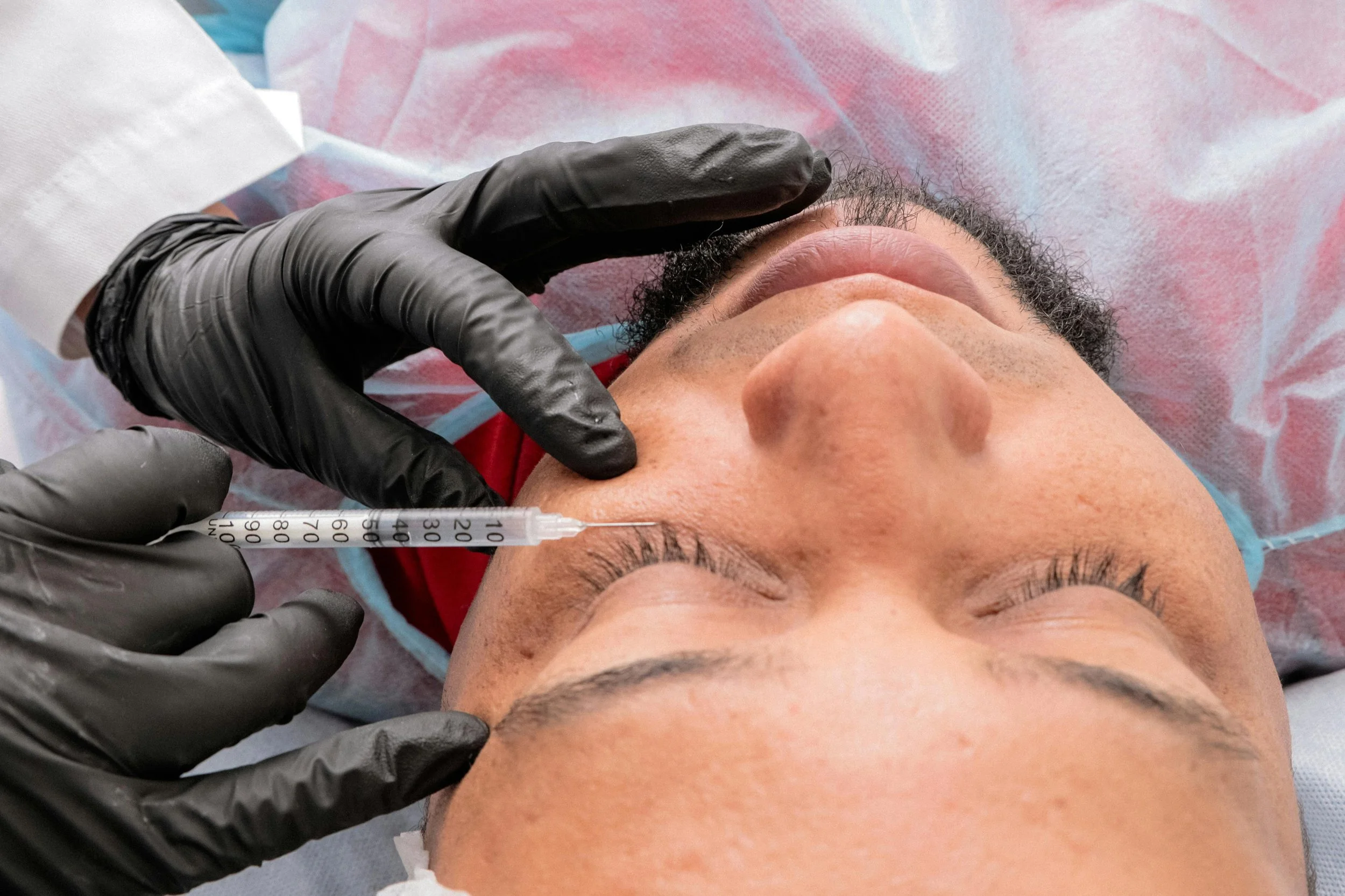
The UK aesthetics industry is now worth over £3.6 billion a year. Britons spend an estimated £1.8 billion annually on skincare alone. Botox, fillers, laser treatments, and body contouring have moved from the fringes to the high street, and an entire generation has grown up treating aesthetic maintenance as a routine part of self-care.
Meanwhile, nearly four in ten UK adults are not meeting the basic recommended levels of physical activity. Strength training — the single most evidence-backed intervention for long-term health — is even more neglected, with the majority of the population doing little to none.
We are spending lavishly on how we look and investing almost nothing in how we function. Something has gone quietly, significantly wrong.
This is not a moral argument
I want to be clear about what I am not saying. I am not saying that caring about your appearance is shallow, or that aesthetic treatments have no value, or that people who get Botox are making a mistake. That is not my point and it is not my business.
My point is narrower and, I think, harder to argue with: appearance spending has become, for many people, a substitute for the slower and less glamorous work of actually getting and staying well. And the health consequences of that substitution are serious.
When I look at the patients who come through our door in chronic pain — back pain, neck pain, hip pain that has been building for years — the most common thread is not a specific injury or a structural problem visible on a scan. It is deconditioning. They have simply lost the strength, the mobility, and the physical resilience their body needs to cope with ordinary daily demands. They have been maintaining their surface while their foundations quietly crumbled.
Why we choose looking over moving
The aesthetics industry has not manufactured this problem alone. It has responded, very efficiently, to a culture shaped by social media, constant visual comparison, and a profound narrowing of what the word 'health' actually means.
Visible results are immediate and shareable. A stronger back, better balance, and a lower resting heart rate are not.
There is a genuine confidence argument for appearance investment — feeling good about how you look does support mental wellbeing, and I would not dismiss that. But confidence built on physical strength, good sleep, and genuine fitness is a different thing from confidence borrowed from a clinic. One compounds. The other requires constant renewal.
The harder truth is that the health system — and I include parts of the wellness industry in this — has done a poor job of making functional health feel as desirable, as achievable, and as worth investing in as aesthetic health. That is a failure of communication as much as anything else. Because the case for getting stronger is, frankly, overwhelming.
What the evidence actually says
Regular physical activity reduces the risk of cardiovascular disease, type 2 diabetes, certain cancers, depression, anxiety, and dementia. It improves bone density, posture, sleep quality, hormone regulation, and immune function. It reduces chronic pain — including the back and joint pain that accounts for a vast proportion of GP appointments and lost working days in the UK every year (Hartvigsen et al., 2018).
Strength training specifically has been shown to reduce all-cause mortality independently of cardiovascular exercise (Stamatakis et al., 2018). It is the most powerful tool available for maintaining functional independence into later life. It is, in the most literal sense, the intervention most likely to determine the quality of your final decades.
And here is what no aesthetics clinic will ever put in their marketing: a person who moves regularly, builds genuine strength, manages their stress, and sleeps well looks noticeably different from one who does not. The most effective anti-ageing intervention available is not in a syringe. It is progressive, consistent physical loading — and it costs a fraction of what most people spend on their skin.
What that money could do instead
A gym membership costs between £25 and £50 a month. A block of sessions with a good personal trainer gives you movement skills that compound over years. A course of osteopathic treatment — particularly early, before a niggle becomes a chronic problem — addresses root causes rather than managing symptoms.
These investments change the trajectory of your health over decades. They are not glamorous. They do not produce a before-and-after photo you can post on a Tuesday. But they are the difference between a body that functions well at 70 and one that does not.
You do not need expensive equipment. You do not need a perfect diet or a complete lifestyle overhaul. You need to move more than you currently do — progressively, consistently, and with some intention behind it.
The question worth asking
The aesthetics industry will still be there. It is not going anywhere, and I am not suggesting it should.
But before the next booking, it might be worth sitting with one question: when did I last invest this much in how I actually feel?
Not how I look in a photograph. Not how I present in a meeting. How I feel getting out of bed in the morning. How I move through a day without pain. How I expect to function at 65, or 75, or 85.
That is the investment with the longest return. And in my experience, it is the one people most consistently undervalue — right up until the point where their body insists they pay attention.
Where to start
If you are not sure where to begin, or if pain or injury has made movement feel complicated or threatening, that is exactly what we are here for.
At Back to Back Osteopaths in Earlsfield, we work with patients at every stage — from acute injury to long-term movement goals. Our focus is not just on relieving pain but on helping you understand your body well enough to keep it well.
We also work closely with personal trainers, coaches, and other health professionals in South West London — so if what you need is a referral rather than a treatment, we will point you in the right direction.
Call us on 020 8605 2323 or book online.
Back to Back Osteopaths, 432 Garratt Lane, Earlsfield, London SW18 4HN
References
Hartvigsen, J., Hancock, M. J., Kongsted, A., et al. (2018). What low back pain is and why we need to pay attention. The Lancet, 391(10137), 2356–2367.
Stamatakis, E., Lee, I. M., Bennie, J., et al. (2018). Does strength-promoting exercise confer unique health benefits? A pooled analysis of eleven population cohorts with all-cause, cardiovascular, and cancer mortality endpoints. American Journal of Epidemiology, 187(5), 1102–1112.
UK Aesthetics Industry Report (2023). British Association of Aesthetic Plastic Surgeons / Mintel Skincare Market Report.
NHS Health Survey for England (2022). Physical activity in adults. NHS Digital.