Back to Back Blog

Can Osteopathy Support Marathon Training or Triathlon Preparation?

Training for a marathon or triathlon is hugely rewarding — but it places significant, repetitive stress on the body. Whether you’re preparing for the London Marathon or building towards your first Olympic-distance triathlon, the combination of mileage, intensity and time pressure increases your risk of overload injuries.
This is where osteopathy can play a valuable role.
At Back to Back in Wandsworth SW18, we regularly support runners and triathletes through structured training blocks — not just when they’re injured, but proactively to keep them moving well.
The Demands of Marathon & Triathlon Training
Marathon training typically involves:
Progressive weekly mileage
Long runs placing sustained load through the calves, Achilles and hips
Speed sessions stressing hamstrings and hip flexors
Reduced recovery time during peak blocks
Triathlon preparation adds:
High cycling volume (hip flexor dominance, lumbar flexion posture)
Swimming (shoulder load and thoracic rotation demands)
Transition training, where fatigue alters running mechanics
When training volume increases faster than tissue capacity adapts, problems arise.
Common issues we see include:
Achilles tendinopathy
Patellofemoral pain
IT band irritation
Hamstring overload
Bone stress reactions
Lower back stiffness linked to cycling
These are rarely “random injuries.” They are usually load-management or biomechanics problems that build over time.
How Osteopathy Supports Performance
1. Early Identification of Overload Patterns
Before pain becomes an injury, the body often gives warning signs:
Persistent tightness in one calf
Reduced hip extension on one side
Subtle asymmetry in single-leg strength
Increasing fatigue that doesn’t resolve with rest
Osteopaths are trained to assess movement patterns, joint mobility and tissue load tolerance. Identifying these early allows adjustments before full injury develops.
For example:
A restricted ankle joint may increase Achilles strain.
Reduced thoracic rotation from cycling may alter arm swing in running.
Gluteal weakness may overload the hamstrings late in long runs.
Addressing these proactively keeps training consistent — and consistency is everything in endurance sport.
2. Optimising Biomechanics
Marathon and triathlon performance relies on efficiency. Small mechanical inefficiencies repeated over thousands of steps become significant.
Osteopathic assessment looks at:
Hip extension and pelvic control
Ankle mobility and calf capacity
Thoracic rotation
Rib and breathing mechanics
Lumbar spine load distribution
Manual therapy can improve joint mobility and reduce protective muscle tone, but this is only part of the picture. The goal isn’t just to “loosen” tissues — it’s to restore optimal movement so force is distributed more evenly.
3. Strength & Load Guidance
Endurance athletes often focus heavily on mileage but neglect strength.
Evidence consistently shows that strength training:
Reduces running injury risk
Improves running economy
Supports tendon resilience
Enhances late-race performance
Osteopaths can guide:
Single-leg control work
Calf capacity progression
Hip abductor and glute strength
Plyometric progression for race readiness
Core and trunk endurance
This becomes especially important for triathletes managing cumulative fatigue across three disciplines.
4. Managing Recovery During Peak Blocks
During high-load weeks, athletes may experience:
DOMS that lingers longer than expected
Calf tightness after speed work
Shoulder stiffness from increased swim volume
Low back ache from long rides
Osteopathic treatment during these periods can help maintain joint mobility, improve circulation to overloaded tissues, and reduce compensatory patterns.
Importantly, treatment should be integrated into the training plan — not used as a last-minute fix when things break down.
5. Supporting Return from Niggles
Very few athletes complete a full marathon or triathlon block without any niggle.
The key is not eliminating discomfort entirely — it’s understanding when discomfort is acceptable and when it signals tissue overload.
An osteopath can help distinguish between:
Normal training soreness
Tendon overload
Early bone stress reactions
Neural irritation
Joint-related referral pain
This clarity allows smarter decisions around:
Whether to continue training
How to modify load
When to cross-train
When imaging or GP referral is required
This is particularly relevant in marathon build-ups where ignoring early bone stress symptoms can end a season.
Osteopathy Is Not Just “Treatment”
The biggest shift in modern sports osteopathy is moving away from purely passive treatment.
Effective support involves:
Movement assessment
Load management advice
Evidence-based strength programming
Biomechanical optimisation
Clear return-to-run frameworks
Manual therapy is a tool — not the entire solution.
When Should You See an Osteopath During Training?
Consider booking if:
You notice asymmetry developing
A niggle persists beyond 7–10 days
You are increasing mileage significantly
You’re entering peak training
You have a history of recurrent injury
You’re returning after time off
You don’t need to wait for a full injury.
Final Thoughts
Marathon and triathlon preparation place extraordinary demands on the body. The difference between successful completion and frustrating injury is often proactive management.
Osteopathy can support:
Injury prevention
Movement efficiency
Strength integration
Recovery management
Smarter training decisions
Whether you’re building towards your first race or chasing a PB, structured musculoskeletal support can make training more resilient and more sustainable.
And ultimately, staying healthy through the build-up is what gets you to the start line confident — and to the finish line strong.
Back to Back Osteopaths is a trusted resource for marathon runner and triathletes alike. But we also see athletes from most other sporting disciplines.
By James Dodd BSc (hons) Ost. FAFS.
GOsC registered
Book an appointment online today. Or not sure if your symptoms need treatment? Feel free to call our clinic in Wandsworth and we’ll happily advise.
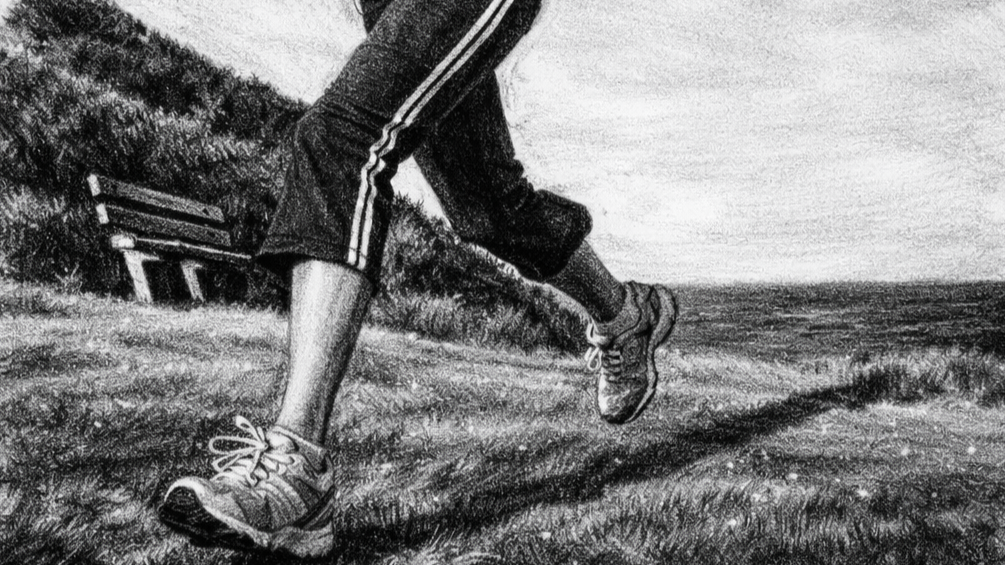
Why Strength Training Is Essential for Injury Protection in the London Marathon
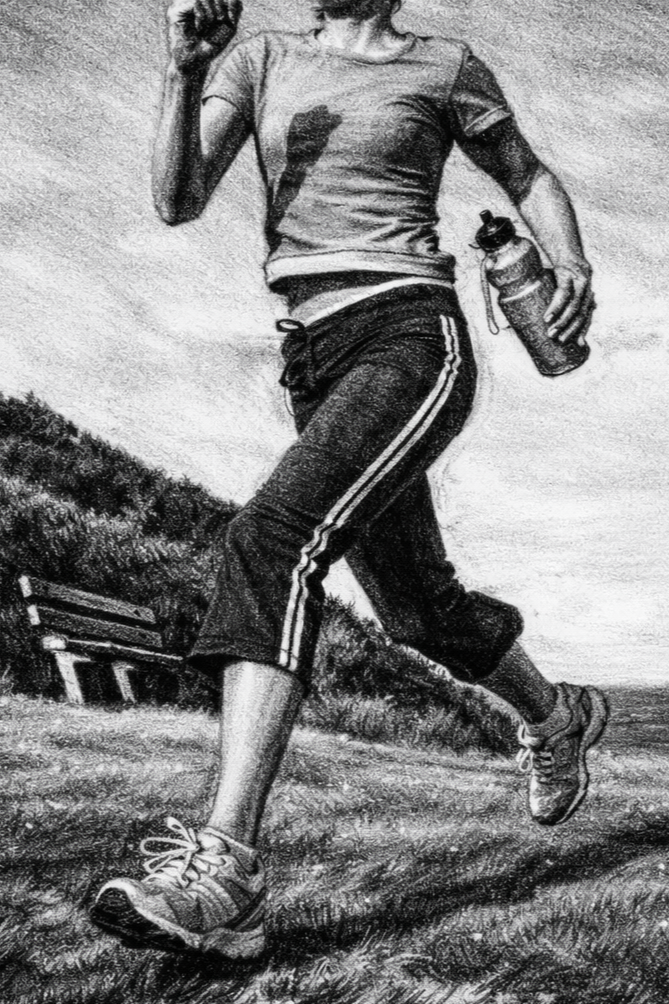
Training for the London Marathon is a huge physical undertaking. Over 26.2 miles, your body absorbs thousands of repetitive loading cycles. Every step places forces of two to three times bodyweight through your feet, ankles, knees and hips. Multiply that by 35,000–45,000 steps and it’s easy to see why injury rates in marathon training are high.
The common misconception? That more running is always the answer.
In reality, strength training is one of the most effective tools we have for injury protection in marathon runners. At our clinic in SW18, we regularly see runners who could have avoided weeks off training with a smarter strength foundation.
Here’s why it matters — and what to focus on.
The Marathon Is a Muscular Endurance Event
Marathon training is not just cardiovascular — it is muscular endurance under fatigue.
As fatigue builds:
Stride length shortens
Cadence drops
Hip control reduces
Ground contact time increases
This alters load distribution through the lower limb. When tissues fatigue, joints absorb more force. That’s when problems start.
Common marathon injuries include:
Achilles tendinopathy
Plantar fascia irritation
Patellofemoral knee pain
IT band pain
Bone stress injuries
In many cases, the root cause is not “tightness” — it’s insufficient strength and tissue capacity for the demands placed upon them.
Strength Improves Tissue Capacity
Every tendon, muscle and bone has a load tolerance threshold. Training increases that threshold.
When you perform progressive strength training:
Tendons become stiffer and more resilient
Muscles generate force more efficiently
Bones respond to loading by strengthening
Neuromuscular control improves
This creates what we call load capacity — the ability to tolerate marathon training without breaking down.
Without this, your running volume can outpace your body’s ability to adapt.
The Calf Complex: The Unsung Hero
The calf complex (gastrocnemius and soleus) is one of the most overloaded structures in marathon running.
The soleus, in particular, works tirelessly to control forward momentum and absorb force during stance phase. As fatigue builds late in the race, reduced calf capacity often leads to:
Achilles overload
Plantar fascia strain
Shin pain
Specific strength work should include:
Straight-leg calf raises (gastrocnemius bias)
Bent-knee calf raises (soleus bias)
Heavy, slow resistance work
High-repetition endurance sets
Many runners underestimate how strong their calves need to be for 26.2 miles.
Hip Strength Protects the Knee (your knee IS your hip!!!)
Poor hip strength and control can increase load through the knee and IT band.
When the gluteal muscles fatigue:
The knee drifts inward
Femoral rotation increases
Patellofemoral stress rises
Over thousands of strides, this becomes painful.
Key exercises include:
Single-leg deadlifts
Split squats
Step-downs
Lateral band walks
Side planks
The goal is not bodybuilding. It is controlled, unilateral strength under load.
Strength Reduces Fatigue-Related Breakdown
Research consistently shows that strength training:
Improves running economy
Reduces ground contact time
Enhances force production
Better economy means less energy cost per stride. That translates to reduced fatigue late in the race — and fewer compensatory movement patterns.
Injury risk increases significantly in the final third of marathon training blocks, when mileage peaks and cumulative fatigue is highest. Runners who maintain strength work during this phase tend to cope better.
“But I Don’t Want to Be Too Sore to Run”
A common concern.
The solution is intelligent programming:
Two sessions per week
30–40 minutes
Focus on lower limb and trunk
Avoid excessive new exercises during peak mileage
Reduce volume slightly in taper phase
Strength training should complement running, not compromise it.
Heavy lifting during base phase. Maintenance during peak weeks. Light activation during taper.
Bone Health and Stress Fracture Protection
Bone responds positively to load — but it needs varied stimulus.
Running is repetitive. Strength training introduces different loading patterns that stimulate bone adaptation.
This is especially important for:
Female athletes
Masters runners
Runners increasing mileage
Those with a history of bone stress injury
Under-fuelling combined with high mileage and no strength training is a high-risk scenario.
Practical Weekly Structure (just some ideas…)
A simple template might look like:
Day 1: Lower Limb Strength
Split squats
Romanian deadlifts
Straight-leg calf raises
Core control
Day 2: Stability and Endurance
Step-downs
Bent-knee calf raises
Single-leg bridges
Side planks
Keep it progressive. Add load when movements feel controlled and technically sound.
Strength Training Is Performance Training
This isn’t just about avoiding injury.
Stronger runners:
Maintain pace longer
Resist form breakdown
Produce more force per stride
Feel more robust during peak training
The London Marathon rewards durability.
Final Thoughts
Marathon training already places huge demand on the body. Relying on running alone is often not enough to prepare tissues for the cumulative load of 26.2 miles.
Strength training:
Increases tissue capacity
Reduces fatigue-related movement breakdown
Protects against common overuse injuries
Improves performance
If you’re building towards the London Marathon, investing in strength now could be the difference between standing on the start line — or sitting out injured.
Run consistently. Lift intelligently. Arrive strong.
For more advice book into see one of our osteopaths at the clinic in Wandsworth SW18.
Look at our blog on bone stress injuries here
By James Dodd BSc (hons) Ost. FAFS.
GOsC registered