Protection: Why Strength, Balance and a Bit of Common Sense Matter This Autumn and Winter
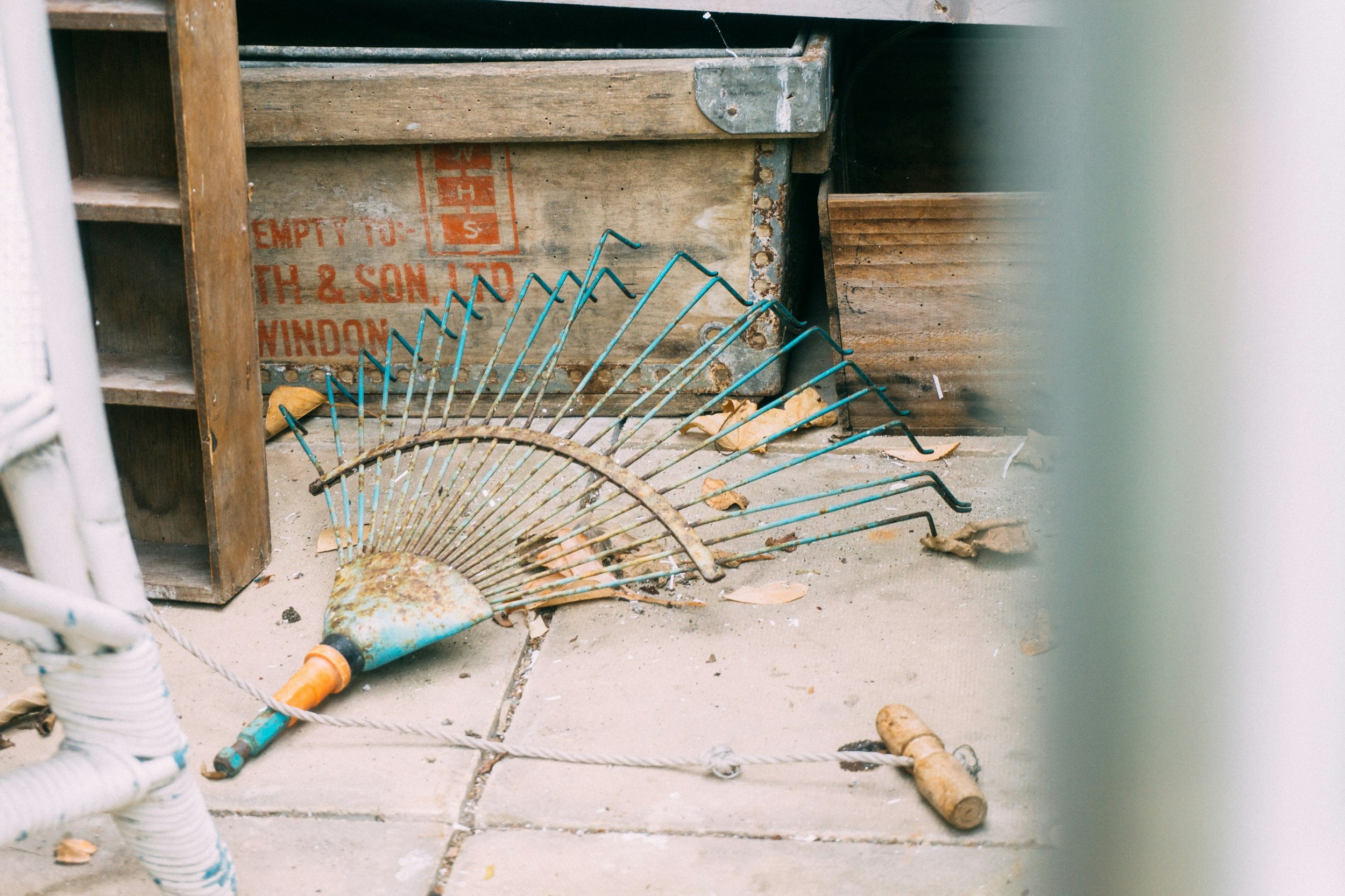
There's a certain logic to wanting to hibernate as the year turns. The hedgehogs are doing it, the swallows have already left for warmer places, and there's a very human urge to close the curtains a little earlier, move a little less, and simply wait out the cold. We understand the instinct. We'd just gently push back on it.
Every autumn and winter, we see the same pattern in clinic: not injuries caused by people doing too much, but injuries caused by bodies that have quietly gone soft over the darker months — weaker, less balanced, less resilient — and then get caught out. A patch of wet leaves. An icy step. A weekend spent finally sorting the garden. The injury feels sudden, but the vulnerability behind it has usually been building for weeks.
This is what we mean by protection. Not wrapping yourself in cotton wool, but actively building the strength and balance that lets your body absorb the knocks this season inevitably throws at it.
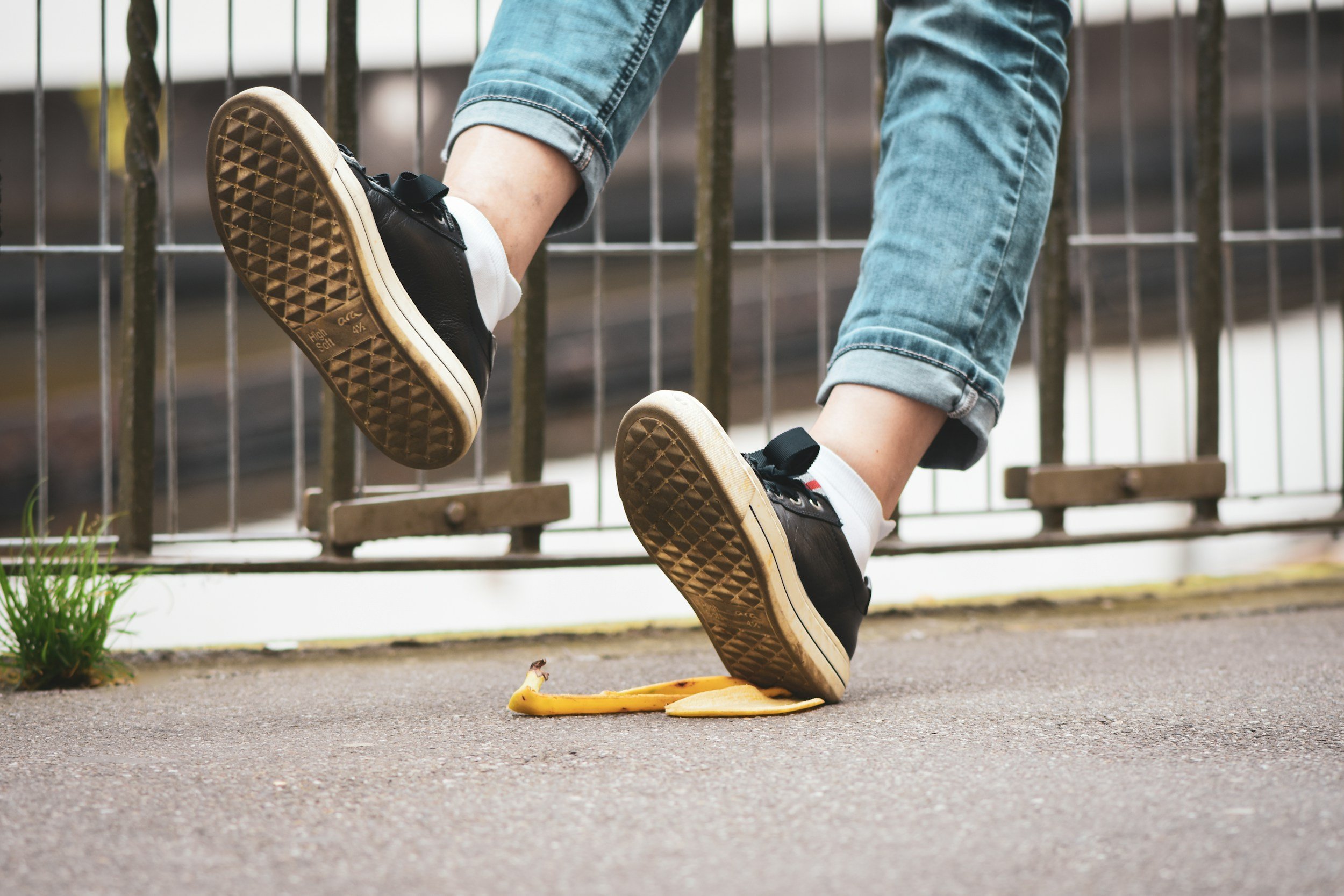
Do what you can to stop yourself falling!
The Slip You Don't See Coming
Falls are one of the most common reasons people end up needing urgent treatment over autumn and winter, and it isn't hard to see why. Wet leaves turn pavements into something closer to an ice rink. Mornings and evenings are dark by the time most of us are commuting. Frost catches out anyone stepping onto a path they crossed safely the day before.
The NHS is blunt about how common this is: around one in three adults over 65 living at home will have at least one fall a year, and slips, trips and falls are consistently flagged by the health service as one of the biggest seasonal risks of the colder months, alongside icy conditions and reduced daylight.
But here's the part that often gets missed: the goal isn't simply to avoid every icy patch — that's not realistic for anyone with a normal life to lead. The real protection comes from what happens in the split second after your foot slips. A body with good strength and balance can often catch itself, correct, and carry on.
A body that's lost condition over a sedentary summer or a gradually less active autumn is far more likely to go down — and it's very often the fall itself, not the original slip, that causes the real damage.
Building a body that catches itself
The good news is that this is trainable, at any age, and it doesn't take a gym membership. A few minutes a day is genuinely enough to make a measurable difference:
Single-leg balance — simply standing on one leg for 20–30 seconds (holding onto a worktop at first if needed) while brushing your teeth or waiting for the kettle to boil. Gradually making this tougher….
Sit-to-stand exercises — standing up from a chair without using your hands, five to ten times in a row, which builds exactly the leg strength that stops a stumble becoming a fall. Gradually making these tougher….
Calf raises — rising onto your toes and lowering slowly, which strengthens the ankle stability that matters most on uneven or slippery ground.
General strength training, twice a week, for anyone able to manage it — this remains one of the single best predictors of staying steady on your feet as the years go on.
It REALLY can make a HUGE difference to how things turn out!
Combine this with sensible footwear (a flat, low heel with a decent tread beats fashion every time on a frosty morning), and you've done most of what genuinely reduces fall risk — far more than simply being cautious ever will.
The Weekend Warrior Trap
The second seasonal danger is less dramatic, but we see it just as often: the sudden garden or DIY blitz.
If it's been a warm summer, there's a good chance the garden jobs got quietly shelved — nobody wants to dig over a flower bed or clear the shed in 28-degree heat. Which means that come the first cool, overcast weekend of autumn, a lot of people suddenly decide it's time to catch up on everything at once: cutting back the hedges, clearing gutters before the frost, digging over beds, moving pots and furniture into storage, raking three months' worth of leaves.
This is what sports medicine calls the "weekend warrior" pattern — a body that's done very little physical loading suddenly asked to do a full day of bending, lifting, twisting and carrying. It's one of the most reliable causes of lower back strain, shoulder injury and stiff, locked-up necks that we see walk through our door every single autumn, and it's almost entirely avoidable.
H3: Tackling the garden backlog without paying for it on Monday
Spread it out. A weekend of solid graft is far harder on an unconditioned body than the same jobs split across three or four shorter sessions. Your garden will still be there next weekend.
Warm up before you lift anything heavy, just as you would before exercise — a few minutes of movement to get blood flowing into the muscles you're about to ask a lot of.
Bend at the knees, not the back, when lifting bags, pots or bags of compost, and keep the load close to your body rather than reaching out and twisting.
Use the wheelbarrow rather than carrying armfuls — repeated twisting under load is one of the most common ways people injure their lower back doing garden work.
Know when to call in help. Hedge trimming at height, moving heavy furniture, or anything involving a ladder is worth paying someone for rather than risking it solo — the cost of professional help is almost always less than the cost of weeks of treatment afterwards.
A Brief Word on Immunity
It would be remiss not to mention the obvious seasonal concern: colds, flu, and the general run of winter bugs. The evidence here is fairly consistent — regular, moderate physical activity supports healthy immune function, while a sharp drop into inactivity tends to do the opposite. You don't need to train like an athlete, and in fact overdoing it can be counterproductive; the aim is simply not to let movement disappear altogether as the temperature drops. It's one more reason, alongside strength and balance, that staying active through autumn and winter matters more than most people realise.
Protection, Not Hibernation
Pull all of this together and the message is consistent: the safest approach to autumn and winter isn't to retreat and do less, it's to actively build the strength, balance and resilience that lets your body handle whatever the season throws at it — an icy step, a weekend of garden jobs, or just the general wear of colder, darker months.
If you're already feeling less steady on your feet than you'd like, or if last year's garden weekend left you nursing a back that never quite felt right afterwards, this is exactly the sort of thing we can help with — both treating what's already bothering you and building a plan to stop it happening again.
At Back to Back Osteopathy, our GOsC-registered team has been keeping people across Earlsfield, Wandsworth and SW18 strong, steady and active through every season for over 25 years. If autumn's already caught you out, or you'd simply like to be better prepared for it, get in touch.