
Back to Back Blog

Rucksacks and back pain
Rucksacks…. how to pack and wear them to avoid back pain.
Many of us now sensibly wear a rucksack to work or school. Some have had advice that it would be a better way to carry their gear to work or school and others have just found that is just helps in their overall day to day efficiency. We often see patients who wear their packs poorly and this may have been a contributory cause to them suffering with back pain and them needing to see an osteopath.

Rucksacks…. how to pack and wear them to avoid back pain.
Many of us now sensibly wear a rucksack to work or school. Some have had advice that it would be a better way to carry their gear to work or school and others have just found that is just helps in their overall day to day efficiency. We often see patients who wear their packs poorly and this may have been a contributory cause to them suffering with back pain and them needing to see an osteopath.
At Back to Back, we regularly see patients coming in wearing their backpacks. This is great, but often they wear them in a way that over time, adds more additional load to their bodies that is needed or good for them. Getting this right is key to a more efficient body and hopefully less back pain.
Here are some basic tips to consider when putting things into your pack.
Ideally, have the correct pack to meet your needs. Unfortunately, one pack does not meet the requirements of all jobs!
Decide what you NEED to take with you. Don’t pack it with lots of unnecessary items. People often walk around with items in their bags that are rarely used or have never been used.
They say that one should organise your ‘kit’ into groups. This sounds a bit mad, but what it really means is that different weights and bulkier items should be placed in your pack differently.
For work, we are unlikely to be taking a sleeping bag, but we need to load the heaviest items low down and close to our backs. This is nearest to our centre of gravity. Wrongly placed heavy items can lead to us being unbalanced and strained.
Lightest items go on top.
Now…. almost the most important part is that once on your back, the sack needs to sit snug to you body and the upper part of the pack against the upper part of your back. Often we see patients who wear their packs hanging as low as their bottoms. This is not good! Walk along the street and you regularly see children wearing their rucksacks this way. This pulls you off balance and backwards, excessively straining your body. This can often lead to lower or upper back pain or even hip pain.
For those that are interested look to this link on ways to pack your backpack and adjust the advice appropriately for your work bag use.
Blog post by James Dodd

Motivation
As an osteopathic clinic we regularly try to motivate our patients to improve their health to encourage healing and better function of the body. This can be through exercise, diet, weight loss or just allowing more time for oneself.

The definition of motivation is ‘internal and external factors that stimulate desire and energy in people to be continually interested and committed to a job, role or subject, or to make an effort to attain a goal’.
As an osteopathic clinic we regularly try to motivate our patients to improve their health to encourage healing and better function of the body. This can be through exercise, diet, weight loss or just allowing more time for oneself.
It may be the motivation to move better or become pain free that’s required. Sometimes large lifestyle adjustments are needed to create a space for change. Often though, we come across a lack of motivation, despite patients really wanting the end goal.
Those that have been successful in what they do must have had some degree of motivation. Some people aim to reach or exceed expectations, some like recognition or responsibility and others like personal advancement or growth. Many are simply motivated to help others.
Can we inspire people who are not motivated or have no desire to make changes even though it will undoubtedly improve their health? I think you can, but it can be tricky. Finding that gateway to positive thoughts and feelings is different for everyone so it’s a matter of wading through the options until you find something that sticks.
Here are a few tips on achieving what you want through motivation:
Smart goal setting. Remember the goal you set must be realistic, timely, attainable and specific.
Self-Efficacy. Believe in yourself. Those with high levels of self-efficacy believe in their ability to perform a task and achieve goals. Take a look at the reasons you have decided you can’t do something and check the facts/evidence. Often there isn’t as much standing in your way as you thought.
Little by little. Sometimes the goal can be overwhelming, so start small and set targets. Make changes bit by bit. Create a new routine using repetition and before you know it you’ll be doing the change instinctively and enjoying the benefits. Then implement the next change and so on.
Motivate others to achieve or create change. The way you would motivate and encourage a colleague or friend, do this to yourself in the same way.
Going forward……try to empower yourself and set yourself little goals to achieve something that you would not normally do. Once you have achieved these small things – encourage yourself to do a little bit more. It can be amazing and wonderful at the same time when you do achieve what you have set out to do, how good it can make you feel.
Remember how THAT made you feel and hopefully it will motivate you to do more.
Blog post by James Dodd

iKids and screens…
You know kids love looking at screens. According to a 2015 study, British children between 5 and 16 years old spend an average of 6.5 hours a DAY looking at screens! The article is pretty in-depth and is listening to the thoughts of psychologists and their concerns of how the escalation of children (both young and old) using ‘screens’ is affecting their wellbeing.

The Times on Saturday yesterday did a great article called ‘I can’t walk yet, but I know how to work an iPad’. It is a great article talking about the affects of ‘screen time’ on children. The front page even goes so far as to state “Daddy won’t give me a cigarette, so why does he think a tablet is OK?’ Yikes!!
You know kids love looking at screens. According to a 2015 study, British children between 5 and 16 years old spend an average of 6.5 hours a DAY looking at screens! The article is pretty in-depth and is listening to the thoughts of psychologists and their concerns of how the escalation of children (both young and old) using ‘screens’ is affecting their wellbeing. In November, the American Academy of Pediatrics reduced the recommended screen time for children of under five by half to just one hour a day. Babies under 18 months, they advised, should avoiddigital media altogether.
There is a best selling New York author has just released a new book ‘Why we can’t stop checking, scrolling, clicking and watching’. This kind of says it all. There are many über clever people in Silicon Valley (and all over the world) with a huge and detailed understanding of what drives us as humans and they have made it ‘their’ business to make sure we cannot put down their hardware or apps.
This has prompted a boom in what Alter (a psychologist) calls “behavioural addictions”. And Facebook and the like have not even got started yet. They are gradually building bigger and greater portfolios about us all so that we can become even bigger targets of digital media.
Where it becomes more dangerous is when kids get bored and use the devices as a mental crutch! Turn to the device…. What shall I do next? Turn to the device….. I have a bit of time…. turn to the device. Children have not yet developed developed self control. So they are an even bigger target as future users. Relationships of all kinds will suffer too.
There was some recent hard research out about the use of social media and its links to depression. We need to be careful.
So I think my point of this is do we need to stop giving very young children tablets and phones? I think we probably need to think a lot more about it than we do and then decide. Steve Jobs would not allow his kids to use an iPad at home!
Blog post by James Dodd

Fascia – a couple of great and informative reads!
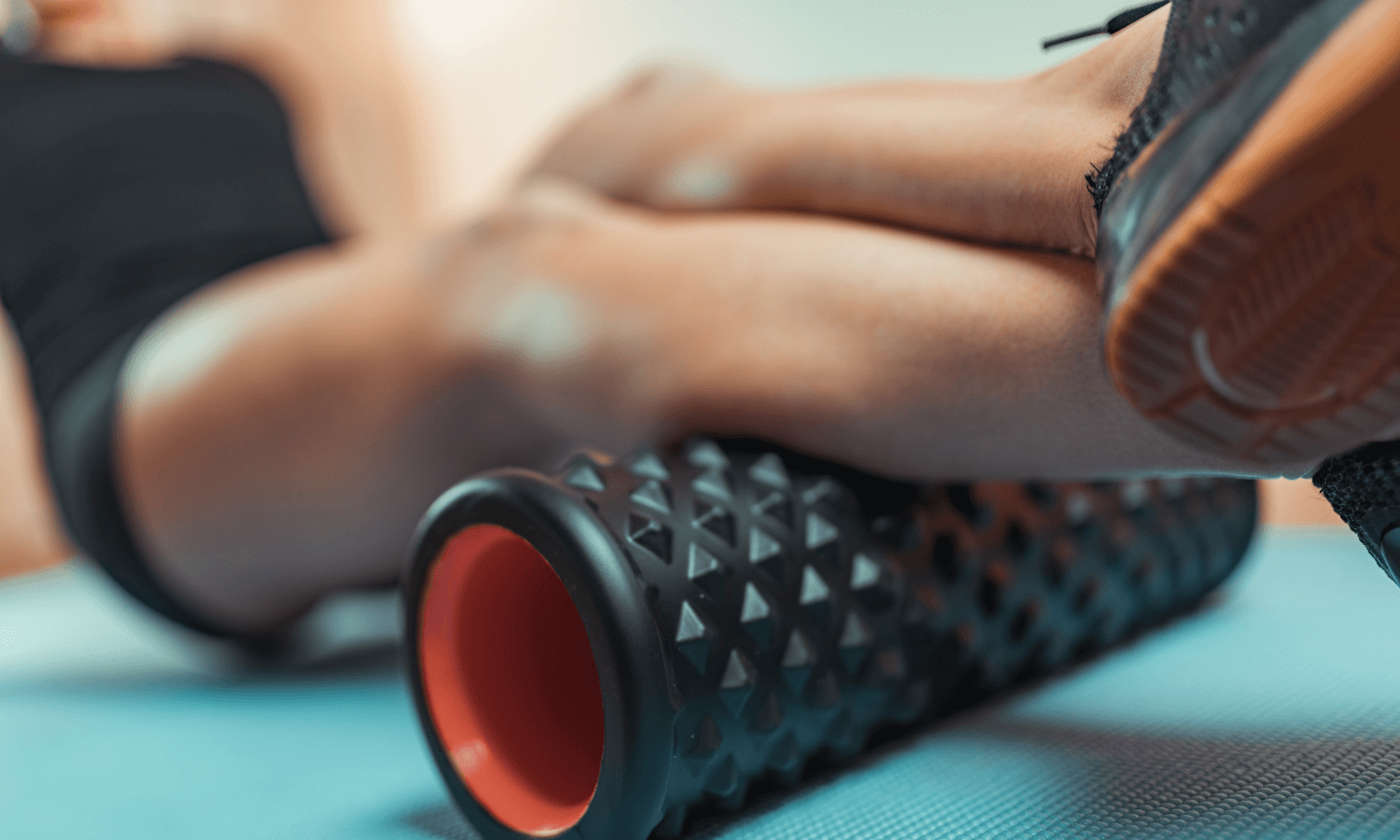
Have a read here about fascia from Jennie Rawlings. It is a good read and it highlights common myths and the more modern views on the robustness of fascia and how a simple ‘rub’ does not break down fascia.
Here is another by the brilliant ‘Pain Science‘ writer Paul Ingram. He goes into massive depth on the current views and research on fascia.
Wonderfully interesting! Using this knowledge should empower practitioners in the management and treatment of their patients and enable them to make sound therapeutic decisions based on current research.
Blog post by James Dodd