Back to Back Blog

Sprained ankle on the tennis court? Think TWICE before grabbing the ICE
If you sprain your ankle on the tennis court, the first port of call is usually the clubhouse freezer. But is ice actually doing you more harm than good?

If you sprain your ankle on the tennis court, the first port of call is usually the clubhouse freezer. But is ice actually doing you more harm than good?
R.I.C.E. (Rest, Ice, Compression, Elevation) has been the most common initial treatment of acute injury over the last 30 years, as introduced by Dr. Gabe Mirkin in his 1978 publication The Sports Medicine Book. A recent study by the American Journal of Sports Medicine (June 2013), however, has made Dr. Mirkin swallow a slice of frozen humble pie. The study demonstrated no evidence that ice hastened recovery, leading Dr. Mirkin in his 2014 article “Why Ice Delays Recovery” to admit that he was wrong.
So, why is ice not always the best solution?
Firstly, it is worth noting that the inflammatory process is vital for the repair and remodelling of tissues. Common sense would suggest that inhibiting this process may not be the best idea. Ice acts to constrict blood vessels thereby reducing the amount of inflammatory cells deposited by your blood stream.
Although this may reduce pain and pressure on an injury, it also stops healing cells from entering injured tissue. Ice, as well as constricting blood vessels, also constricts the lymphatic system which is responsible for clearing out inflammatory debris. So, you can begin to get a picture of the effect ice has on an injury; less healing cells and a reduced ability to remove inflammatory waste – not ideal for recovery.
So, what should you do?
Here are Dr. Mirkin’s new set of tips for acute injury treatment:
1. Stop exercising immediately; you don’t want to cause further damage.
2. If the injury is very painful, then cold has been shown to reduce pain, in these circumstances you can grab a bag of peas from the freezer but use intermittently – 10 minutes on, 20 minutes off.
3. As soon as possible, get yourself assessed by a health professional to ensure no serious damage has been done.
4. After 48-72 hours the inflammatory process will usually have done its job, movement and the correct exercises then become the order of the day.
5. Joint pumping is a fantastic way of naturally assisting the lymphatic system to remove excess waste, while the correct movements will stimulate tissue repair.
If you are suffering from an injury and need to have it treated, just call the clinic to book an appointment with me.
Neil Sharland
Osteopath M.Ost

SHIN PAIN IN RUNNERS EXPLAINED
Lower leg pain can come on for unseasoned runners or those that change their training routine too quickly without laying suitable foundations. This could be switching to lots of hill running or adding in more speed work.
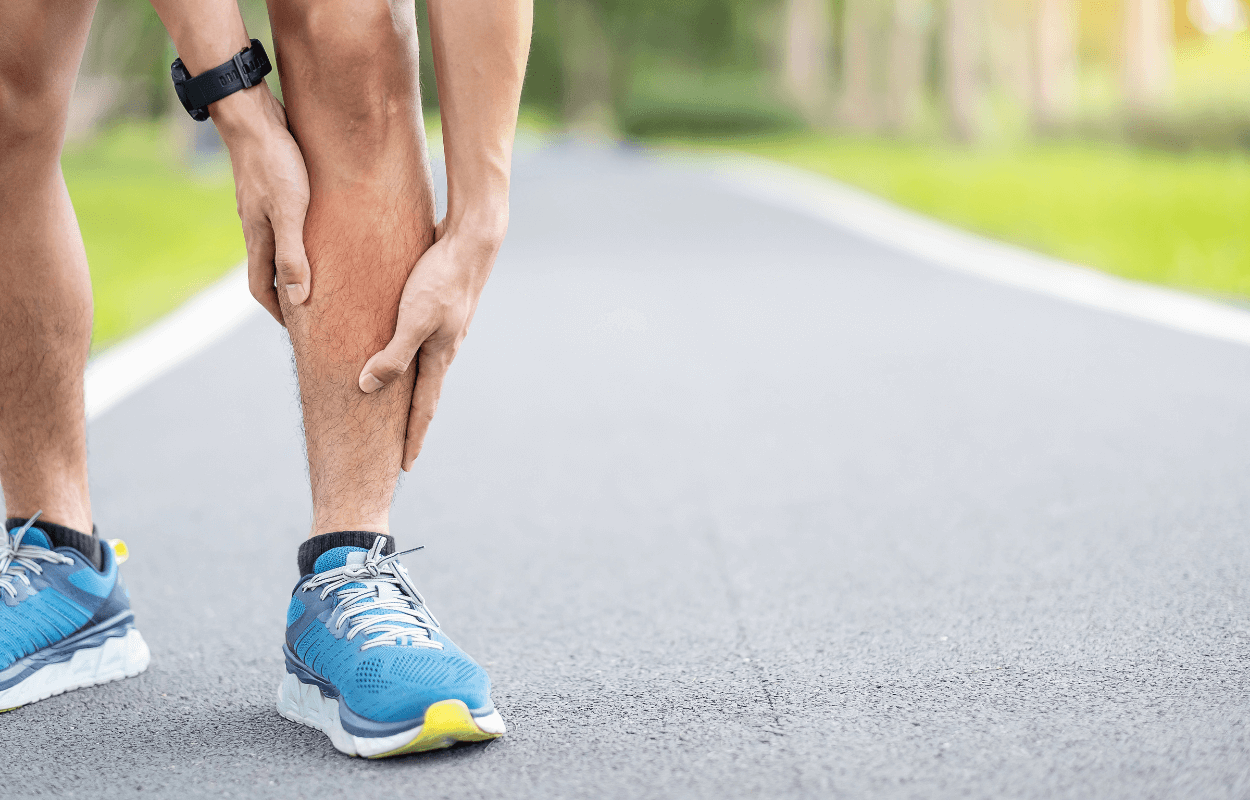
Lower limb injuries in runners are all too common and unfortunately hard to predict. With the ‘Virgin Money London Marathon’ not too far off, we wanted to share some Back to Back thoughts on shin pain.
Lower leg pain can come on for unseasoned runners or those that change their training routine too quickly without laying suitable foundations. This could be switching to lots of hill running or adding in more speed work.
One or more of THREE pathological processes are often involved in shin pain.
Shin Splints or Medial Tibial Stress Syndrome/Inflammatory shin pain
This is normally pain on the front or inside of your tibia/shin bone. It can wax and wane, but normally decreases as you warm up. The runner can often complete their training but it can recur after exercise and be painful the following morning. If left untreated, it can become worse.
It is generally agreed that if you have shin splints, you should stop running or alter your training depending on its severity. Reduction of the inflammatory response is key and it may be helped by rest, stretching, ice and soft tissue work.
Medical Acupuncture in the right places appears to be pretty effective. Off load your shins with alternative training methods or running in a pool. When you return to running, do it gently and follow the 10% rule. Don’t increase your speed or distance by more than 10% per week.
Bone Stress Response
Pain in the shinbone may be due to a stress response/stress fracture of your tibia. This without doubt is more serious than ’shin splints’ and needs to be ruled out if pain persists. This sort of pain can be increasing or pretty constant. It is often worse on impact or after use. There may be some night pain. Pain is normally more localised or acute than ‘shin splints’.
Compartment Syndrome
The muscles in your lower leg are separated into compartments. Causes are not fully known, but as your muscles swell during activity, they create increased pressure in these ‘closed compartments’. Signs and symptoms are directly related to use and intensity. It increases with exercise and decreases with rest. Soreness can be minimal and diffuse. There may be muscle weakness and sensory symptoms into the foot and toes.
Seeking help is important if you have pain, especially if it does not go away. Making sure you see an appropriate practitioner with suitable qualifications to enable a correct diagnosis or referral is important.

Cancaneal Apophysitis (Sever’s Disease)
Sever’s Disease in children; the cause and treatment.
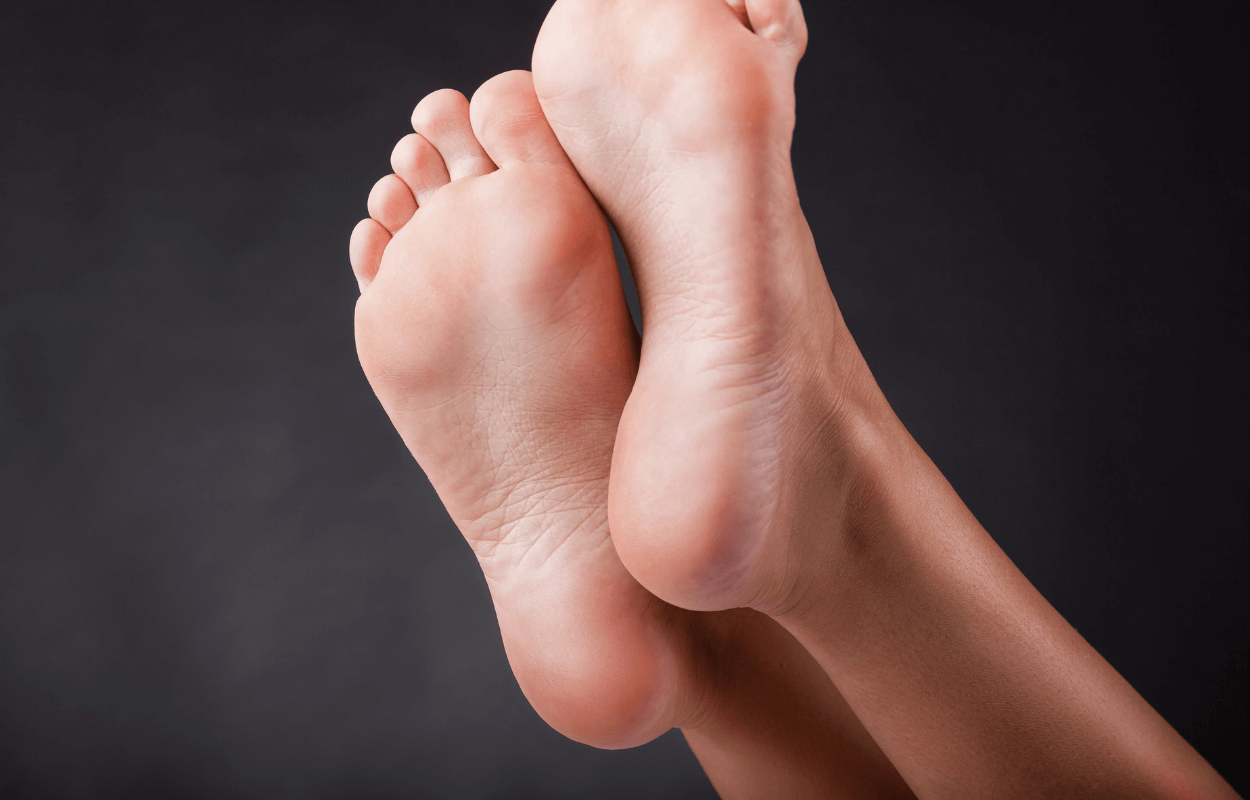
This is painful inflammation of a child’s growth plate at the heel. Normally, this affects children between 8 – 14 years old as their calcaneus (heel bone) is still developing. It is also at a time when children often increase the amount of exercise they do. With increased and repetitive use, the achilles tendon ‘tractions’ on the growth plate at the heel and so causing pain and inflammation. Approximately 60% of Sever’s is bilateral.
Causes
It is essentially an overuse injury at the time of growth. Sports that ‘load’ the achilles tendon and heel such as running and jumping are normally the culprits. Often a bout of Sever’s can become aggravated at the start of a season after a ‘rest’ period or exercising on harder ground as it gets colder. Tightness in the calf can also lead to increased load onto the heel bone. It bad cases, it may take until the child stops growing before complete resolution. It is also really important to try to observe why there has been more load placed onto their heel… this may be from a stiff hip or other area. This is key to successful treatment.
Diagnosis
This needs to be based on a full and correct examination by your osteopath, doctor or other medical professional. X-ray or MRI may be used to confirm the diagnosis or monitor the progress, but often this is not necessary.
Treatment
Calcaneal apophysitis has no known long-term complications and is self-limiting; that is, it should go away when the two parts of bony growth eventually join together (occurring around 16 years of age).
It is important to limit (temporarily) excessive or rigorous activity in its painful stages. But it is also about management, as you can get times when it calms and at other times, it can then flare up again as they increase activity. Soft shoes and heel cups can make a difference and it is important to make sure the child has sound biomechanics (eg no excessive pronation or muscular imbalance). Regular and correct stretching of the tight muscles in the calf and thigh are essential. Ice can be of great help if used correctly. Anti inflammatory medication may be of use – but do check with your medical professional about this first.
Seeking help from your osteopath or good physical therapist can really help too. They will check for poor biomechanics and work and stretch the calf and thigh and manage this injury with some good strengthening exercises.
Return to sports or activity
The goal here is to get your child back to their desired sport or activity as soon as safely possible. It may be a gradual return to see if the condition regresses. If they return too early, it may lead to more chronic pain.
To return to sport your child should have no pain at rest and should be able to walk pain free. They should also be able to jog, sprint and hop pretty much symptom free too.
If after the pain resolves…. it is important that there is still a regime of regular stretching of their calves, thigh and leg muscles