Back to Back Blog

iKids and screens…
You know kids love looking at screens. According to a 2015 study, British children between 5 and 16 years old spend an average of 6.5 hours a DAY looking at screens! The article is pretty in-depth and is listening to the thoughts of psychologists and their concerns of how the escalation of children (both young and old) using ‘screens’ is affecting their wellbeing.

The Times on Saturday yesterday did a great article called ‘I can’t walk yet, but I know how to work an iPad’. It is a great article talking about the affects of ‘screen time’ on children. The front page even goes so far as to state “Daddy won’t give me a cigarette, so why does he think a tablet is OK?’ Yikes!!
You know kids love looking at screens. According to a 2015 study, British children between 5 and 16 years old spend an average of 6.5 hours a DAY looking at screens! The article is pretty in-depth and is listening to the thoughts of psychologists and their concerns of how the escalation of children (both young and old) using ‘screens’ is affecting their wellbeing. In November, the American Academy of Pediatrics reduced the recommended screen time for children of under five by half to just one hour a day. Babies under 18 months, they advised, should avoiddigital media altogether.
There is a best selling New York author has just released a new book ‘Why we can’t stop checking, scrolling, clicking and watching’. This kind of says it all. There are many über clever people in Silicon Valley (and all over the world) with a huge and detailed understanding of what drives us as humans and they have made it ‘their’ business to make sure we cannot put down their hardware or apps.
This has prompted a boom in what Alter (a psychologist) calls “behavioural addictions”. And Facebook and the like have not even got started yet. They are gradually building bigger and greater portfolios about us all so that we can become even bigger targets of digital media.
Where it becomes more dangerous is when kids get bored and use the devices as a mental crutch! Turn to the device…. What shall I do next? Turn to the device….. I have a bit of time…. turn to the device. Children have not yet developed developed self control. So they are an even bigger target as future users. Relationships of all kinds will suffer too.
There was some recent hard research out about the use of social media and its links to depression. We need to be careful.
So I think my point of this is do we need to stop giving very young children tablets and phones? I think we probably need to think a lot more about it than we do and then decide. Steve Jobs would not allow his kids to use an iPad at home!
Blog post by James Dodd

Cancaneal Apophysitis (Sever’s Disease)
Sever’s Disease in children; the cause and treatment.
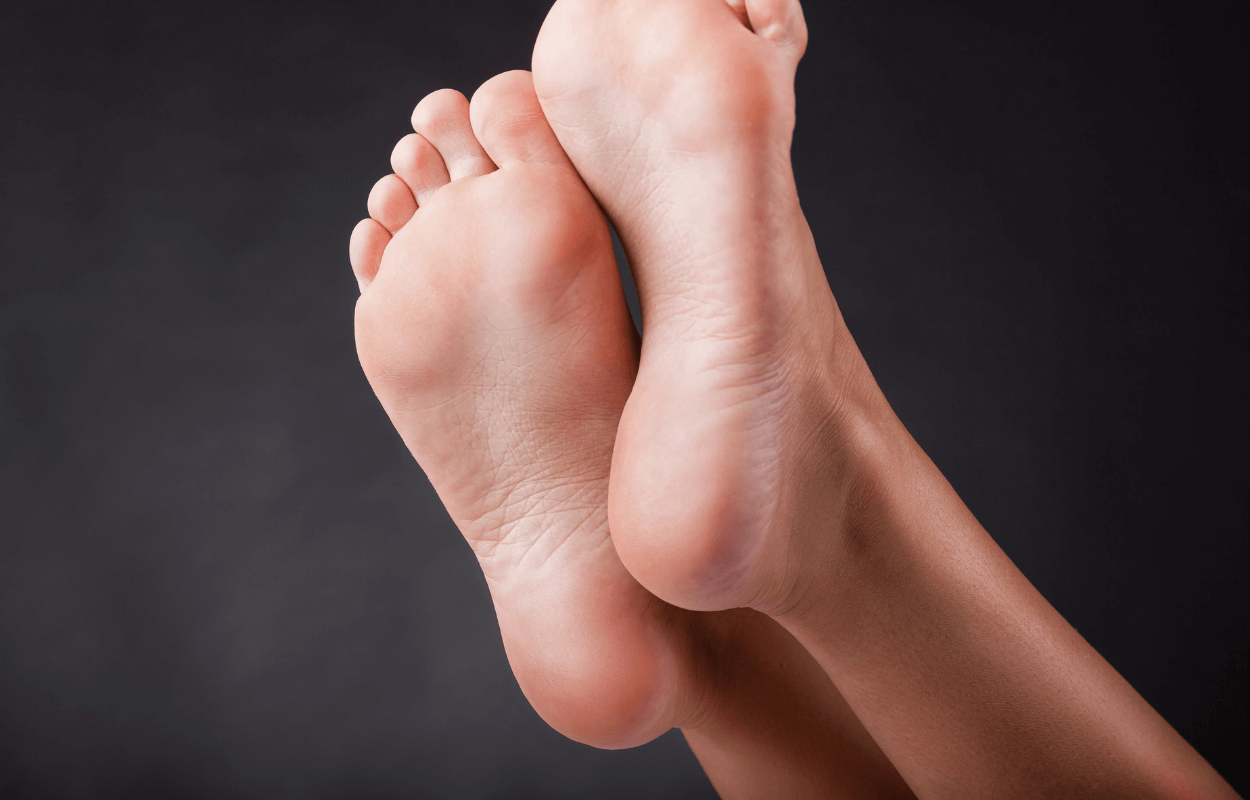
This is painful inflammation of a child’s growth plate at the heel. Normally, this affects children between 8 – 14 years old as their calcaneus (heel bone) is still developing. It is also at a time when children often increase the amount of exercise they do. With increased and repetitive use, the achilles tendon ‘tractions’ on the growth plate at the heel and so causing pain and inflammation. Approximately 60% of Sever’s is bilateral.
Causes
It is essentially an overuse injury at the time of growth. Sports that ‘load’ the achilles tendon and heel such as running and jumping are normally the culprits. Often a bout of Sever’s can become aggravated at the start of a season after a ‘rest’ period or exercising on harder ground as it gets colder. Tightness in the calf can also lead to increased load onto the heel bone. It bad cases, it may take until the child stops growing before complete resolution. It is also really important to try to observe why there has been more load placed onto their heel… this may be from a stiff hip or other area. This is key to successful treatment.
Diagnosis
This needs to be based on a full and correct examination by your osteopath, doctor or other medical professional. X-ray or MRI may be used to confirm the diagnosis or monitor the progress, but often this is not necessary.
Treatment
Calcaneal apophysitis has no known long-term complications and is self-limiting; that is, it should go away when the two parts of bony growth eventually join together (occurring around 16 years of age).
It is important to limit (temporarily) excessive or rigorous activity in its painful stages. But it is also about management, as you can get times when it calms and at other times, it can then flare up again as they increase activity. Soft shoes and heel cups can make a difference and it is important to make sure the child has sound biomechanics (eg no excessive pronation or muscular imbalance). Regular and correct stretching of the tight muscles in the calf and thigh are essential. Ice can be of great help if used correctly. Anti inflammatory medication may be of use – but do check with your medical professional about this first.
Seeking help from your osteopath or good physical therapist can really help too. They will check for poor biomechanics and work and stretch the calf and thigh and manage this injury with some good strengthening exercises.
Return to sports or activity
The goal here is to get your child back to their desired sport or activity as soon as safely possible. It may be a gradual return to see if the condition regresses. If they return too early, it may lead to more chronic pain.
To return to sport your child should have no pain at rest and should be able to walk pain free. They should also be able to jog, sprint and hop pretty much symptom free too.
If after the pain resolves…. it is important that there is still a regime of regular stretching of their calves, thigh and leg muscles